12457 SW Community Blvd., Port St. Lucie, FL 34987

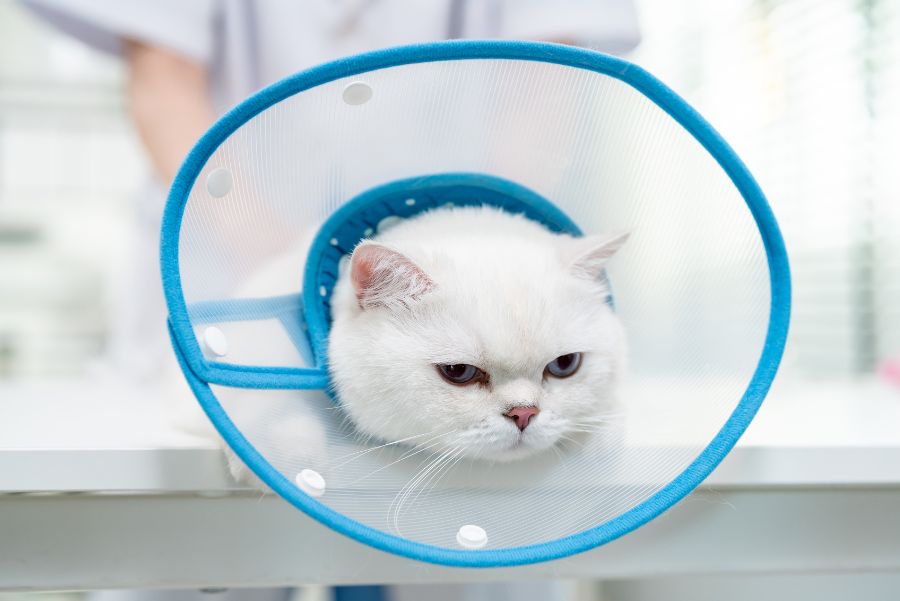
When your pet needs soft tissue surgery, choosing an experienced veterinary surgeon can make all the difference in their recovery and long-term health. From tumor removals to gastrointestinal procedures, soft tissue surgeries require precision, knowledge, and advanced technology. In this guide, we’ll explain why selecting an experienced vet surgeon matters, what to expect during surgery, and how to find the right veterinary soft tissue specialist for your pet.
What Is Veterinary Soft Tissue Surgery?
Veterinary soft tissue surgery refers to procedures that involve organs, muscles, skin, and other non-bony structures. These surgeries are commonly performed to treat illnesses, injuries, or congenital conditions in dogs and cats.
Common types of soft tissue surgeries include:
- Tumor or mass removals
- Spay/neuter procedures
- Gastrointestinal surgeries
- Bladder stone removal
- Ear, nose, and throat procedures
- Wound and abscess repair
- Hernia repair
These surgeries vary in complexity. While some are routine, others require a highly skilled veterinary soft tissue specialist to reduce risks and support a smoother recovery.
Why Choosing an Experienced Vet Surgeon Matters
Selecting an experienced vet surgeon isn’t just a preference—it’s essential for your pet’s safety, comfort, and long-term health.
1. Precision and Expertise Reduce Surgical Risks
Soft tissue procedures can involve delicate structures like major blood vessels, internal organs, and nerves. An experienced surgeon is trained to:
- Make precise incisions
- Reduce tissue trauma
- Minimize blood loss
- Avoid complications
This level of expertise can significantly improve surgical outcomes.
2. Accurate Diagnosis and Surgical Planning
Before any procedure, an experienced veterinary soft tissue specialist thoroughly evaluates your pet’s condition using:
- Bloodwork
- X-rays or ultrasound
- Advanced imaging if needed
Proper planning ensures the right surgical approach is used and reduces unexpected complications during the operation.
3. Access to Advanced Equipment and Techniques
Veterinary surgery requires specialized tools and monitoring equipment. Skilled surgeons often work in hospitals equipped with:
- Modern anesthesia systems
- High-resolution imaging
- Surgical lasers
- Minimally invasive technology
These tools help ensure safer and more precise procedures.
4. Better Pain Management and Recovery Protocols
Pain control is a crucial part of soft tissue surgery. Experienced surgeons know how to tailor anesthesia and postoperative pain management to each pet’s needs. This leads to:
- Faster healing
- Less stress
- Better mobility
- Lower risk of infection
5. Lower Risk of Post-Surgical Complications
Pets can experience issues such as infections, seromas, or incision problems after surgery. A seasoned surgeon anticipates these risks and provides detailed aftercare instructions to help prevent them.
Types of Soft Tissue Surgeries That Require an Experienced Vet
Some surgeries are especially delicate and benefit from the skill of a veterinary soft tissue specialist.
Mass or Tumor Removal
Removing tumors requires careful handling to avoid spreading cancerous cells or damaging nearby structures. Experience matters greatly here.
Gastrointestinal Surgery
Foreign body removal, intestinal blockages, or stomach surgery require exact suturing techniques to prevent leakage and infection.
Bladder Stone Surgery (Cystotomy)
The urinary tract is sensitive, and any mistake can lead to long-term complications. A specialized surgeon understands how to manage these delicate tissues safely.
Respiratory and Airway Surgery
Procedures involving the nose, throat, or trachea must be done with precision to avoid breathing issues during and after the surgery.
Reconstructive and Wound Repair
Deep wounds, skin grafts, and complex injuries require advanced skills to restore healthy tissue and prevent scarring or mobility issues.
What to Expect When Your Pet Needs Soft Tissue Surgery
Knowing what the process looks like can help you feel more confident and informed.
1. Pre-Surgical Consultation
Your vet will review your pet’s medical history, perform a full physical exam, and discuss:
- Diagnostic tests
- Surgical options
- Expected outcomes
- Risks and recovery time
This is the time to ask questions and prepare your pet for the procedure.
2. Day of Surgery
On the day of the operation:
- Your pet will be admitted in the morning
- Pre-anesthetic bloodwork may be repeated
- An IV catheter is placed
- Anesthesia is administered
Experienced surgeons ensure your pet is monitored continuously to keep them safe and comfortable.
3. The Surgical Procedure
During surgery, precision is everything. The surgeon follows strict sterile protocols and uses advanced equipment to complete the procedure safely and efficiently.
4. Post-Surgery Monitoring
After surgery, your pet will be moved to a recovery area where they are closely monitored for:
- Pain levels
- Breathing
- Heart rate
- Healing progress
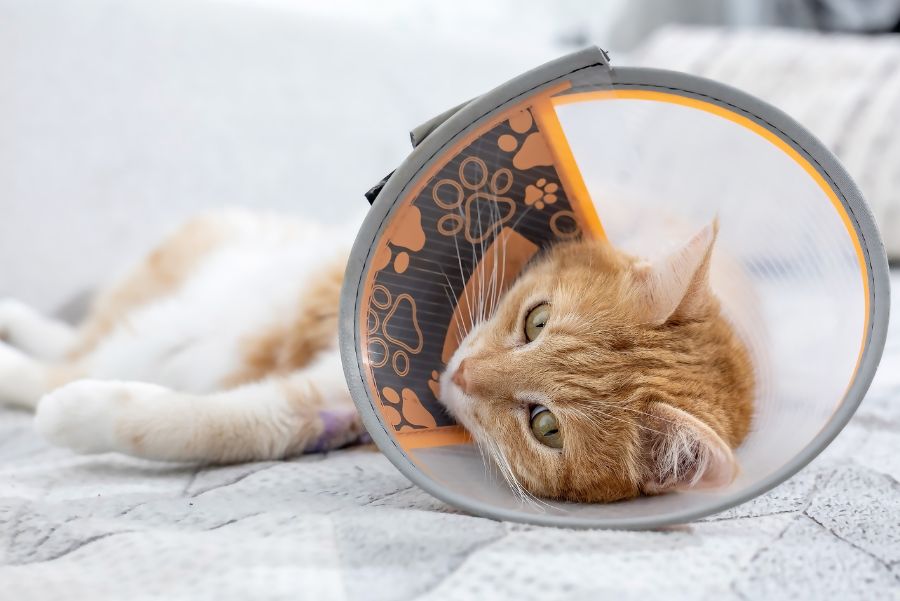
5. At-Home Recovery
Your pet’s at-home care may include:
- Restricted activity
- Oral medications
- Incision monitoring
- Follow-up appointments
Following your veterinarian’s instructions is vital for preventing complications.
Signs Your Pet May Need Soft Tissue Surgery
If you notice these symptoms, it may be time to consult a veterinary surgery specialist:
- Lumps or swollen areas
- Persistent vomiting or diarrhea
- Difficulty urinating
- Open wounds or abscesses
- Sudden weight loss
- Trouble breathing
- Unexplained pain
Early diagnosis often leads to better outcomes and smoother surgery.
How to Choose the Right Vet for Pet Surgery
When you’re searching for a trusted veterinary surgery hospital near me, keep these factors in mind:
1. Experience and Training
Look for a vet with extensive soft tissue surgery experience or advanced surgical training.
2. Hospital Facilities
A high-quality surgical hospital should have:
- Modern diagnostic equipment
- Advanced anesthesia machines
- Intensive care monitoring
3. Compassionate Care
Choose a vet who makes both you and your pet feel comfortable and informed throughout the process.
4. Clear Communication
You should receive detailed explanations of:
- Surgical options
- Risks
- Post-op care
- Total costs
5. Positive Reviews and Client Feedback
Client testimonials often reveal a lot about the quality of care.
Conclusion
Choosing an experienced veterinary surgeon can make all the difference in your pet’s safety and recovery during soft tissue surgery. With the right expertise, modern equipment, and compassionate care, your pet can heal comfortably and return to their normal routine more quickly and safely.
If you are searching for the best pet surgery hospital in Port St. Lucie, Live with Grace Animal Hospital is the right choice for compassionate, advanced, and reliable pet care.
FAQs
Q1: How do I know if my pet needs soft tissue surgery?
Ans: A veterinary exam is the best way to determine this. If your pet has lumps, an injury, digestive issues, or trouble breathing, they may require further diagnostic evaluation and possibly surgery.
Q2: Is soft tissue surgery safe for older pets?
Ans: Yes, with proper diagnostics, anesthesia protocols, and monitoring, many senior pets undergo soft tissue surgery safely.
Q3: How long is recovery after soft tissue surgery?
Ans: Most pets need 10–14 days for initial healing, though full recovery may take several weeks, depending on the procedure.
Q4: What should I do to prepare my pet for surgery?
Ans: Your vet may recommend fasting, avoiding certain medications, and completing pre-surgical bloodwork to ensure your pet is healthy enough for anesthesia.
Q5: How can I find an experienced veterinary soft tissue specialist?
Ans: Look for vets with advanced surgical training, strong reviews, and hospitals equipped with modern technology—especially those offering veterinary surgery in Port St. Lucie.