12457 SW Community Blvd., Port St. Lucie, FL 34987

Your vet just scheduled your pet for surgery, and now comes the part nobody talks about: what do you actually do before the big day? Preparing a pet for surgery can feel overwhelming, especially when you’re worried about your companion’s safety. The good news is that with the right steps, you can walk into that appointment calm, organized, and confident. This guide breaks down everything you need to know, from the days before surgery to the moment you head home, so nothing slips through the cracks when it matters most.
Why Pre-Surgery Preparation Matters
Surgery is a team effort. Your vet handles the procedure. Your job is making sure your pet arrives in the best possible condition to receive it. When pet owners skip preparation steps, it does not just create inconvenience. It can delay the procedure, increase anesthetic risk, or complicate recovery.
Veterinary studies consistently show that patient outcomes improve significantly when owners follow preoperative instructions closely. Small details, like withholding food at the right time or disclosing all current medications, can directly affect how well your pet tolerates anesthesia and heals afterward.
Many pet owners assume their animal is too young or too healthy to have complications during surgery. In reality, age and apparent health are only part of the picture. Pre-existing conditions, recent dietary changes, and even stress levels on surgery day all play a role. Preparation closes those gaps.
Signs Your Pet May Need Surgery and What That Means for You
Before you can prepare, you need to understand what your vet has recommended and why. Not all surgical procedures carry the same complexity or recovery timeline. A routine spay or neuter looks very different from an orthopedic repair or a tumor removal.
Watch for these signs that something may require surgical attention:
- Persistent lameness or limping — may indicate a torn ligament, fracture, or joint issue that conservative treatment cannot resolve
- Abdominal swelling or distension — can signal internal masses, bloat, or organ involvement requiring prompt surgical evaluation
- Wounds that will not heal — chronic infections or deep lacerations sometimes need surgical debridement or closure
- Difficulty urinating or defecating — urinary blockages and intestinal obstructions are time-sensitive and often require intervention
- Lumps or masses that are growing — any growth that changes in size, shape, or texture should be evaluated and may need removal for biopsy
Once your vet recommends surgery, ask for a clear explanation of the procedure, the anesthetic protocol, and what to expect pet surgery day to look like at your specific clinic. Do not leave that conversation with unanswered questions.
Step-by-Step: How to Prepare Your Pet for Surgery Day
This is the section most pet owners wish they had found sooner. Follow each step in order.
Step 1: Complete all pre-surgical blood work and diagnostic testing. Your vet will likely recommend blood panels, urinalysis, or imaging before the procedure. These tests reveal hidden conditions that could affect anesthetic safety. Do not skip or postpone them.
Step 2: Disclose every medication and supplement your pet takes. This includes heartworm preventives, flea treatments, joint supplements, and any herbal or over-the-counter products. Some medications interact with anesthesia or increase bleeding risk. Your vet needs the full picture.
Step 3: Follow fasting instructions exactly. Fasting before pet surgery is one of the most critical steps, and one of the most commonly misunderstood. Most adult dogs and cats need to fast for eight to twelve hours before surgery. However, young puppies, kittens, and diabetic animals often follow different guidelines. Never assume the fasting window. Ask your vet team for the exact cutoff time specific to your pet.
Step 4: Restrict water according to your vet’s instructions. Unlike food, water is often allowed until a few hours before the procedure. Confirm this with your clinic when you schedule the appointment.
Step 5: Bathe your pet the day before, not the day of. Clean skin reduces infection risk at incision sites. Bathing on surgery day, however, can chill your pet and add unnecessary stress right before anesthesia.
Step 6: Prepare your home recovery space in advance. Set up a quiet, confined area with a comfortable bed, fresh water, and easy access for your pet. Have your post-operative instructions, medications, and your vet’s phone number within reach before you leave for the appointment.
Step 7: Arrive calm and on time. Pets read our emotions. If you are anxious in the car, your pet will be anxious in the waiting room. Arrive a few minutes early so check-in does not feel rushed.
What to Expect Pet Surgery Day at the Clinic
On surgery day, your clinic team will walk you through a final check-in process. You will be asked to confirm your pet’s fasting status, review and sign consent forms, and discuss anesthetic monitoring.
At Live with Grace Animal Hospital, every surgical patient is monitored throughout the procedure with continuous vital sign tracking, including heart rate, oxygen saturation, blood pressure, and body temperature. This is the standard of care your pet deserves.
Dr. Elizabeth Jolin, associate veterinarian at Live with Grace Animal Hospital, brings a perspective that shapes how the team approaches pet surgical care. With over 15 years of clinical experience and advanced training that blends traditional medicine with rehabilitation and acupuncture, Dr. Jolin understands that surgery is never just a procedure. It is a moment in a longer story of care. As she puts it: “Healing begins with understanding, not just the medicine, but the heart behind it.” That philosophy means that on surgery day in Port St. Lucie, your pet is not just a patient on a table. They are a companion whose recovery begins the moment they arrive.
After the procedure, most pets go home the same day for routine surgeries. Your vet team will explain how to manage incision care, activity restrictions, and pain management before you leave.
Dog and Cat Surgery Recovery Tips That Start Before You Get Home
The best recoveries are planned before the pet ever walks out of the clinic. Here is what makes the biggest difference:
Dog cat surgery recovery tips that actually matter:
- Restrict movement immediately. Even if your pet seems fine, internal healing takes time. Leash walks only. No jumping, running, or stairs unless your vet clears it.
- Monitor the incision twice daily. Normal healing looks like mild pinkness and slight swelling in the first 24 to 48 hours. Discharge, odor, excessive redness, or gaping edges need same-day veterinary attention.
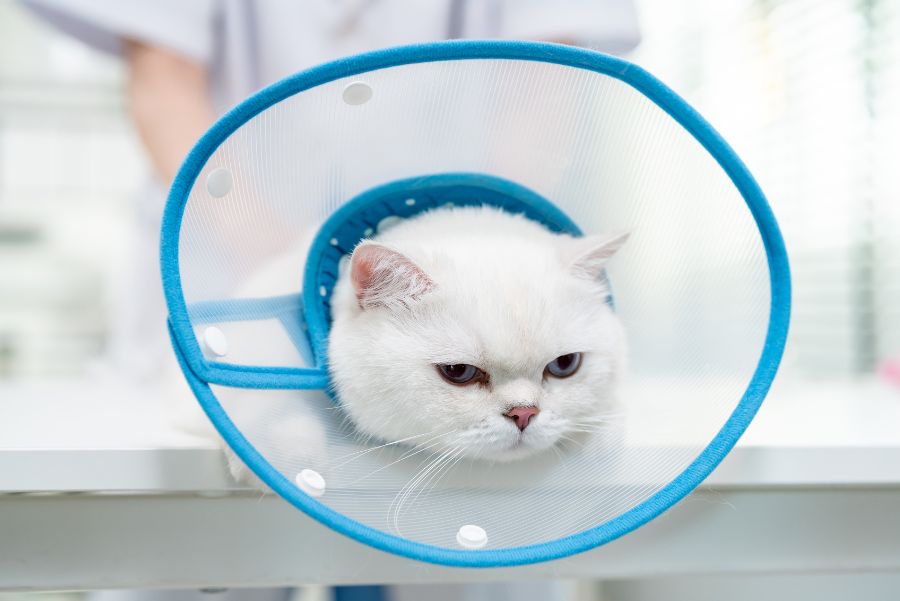
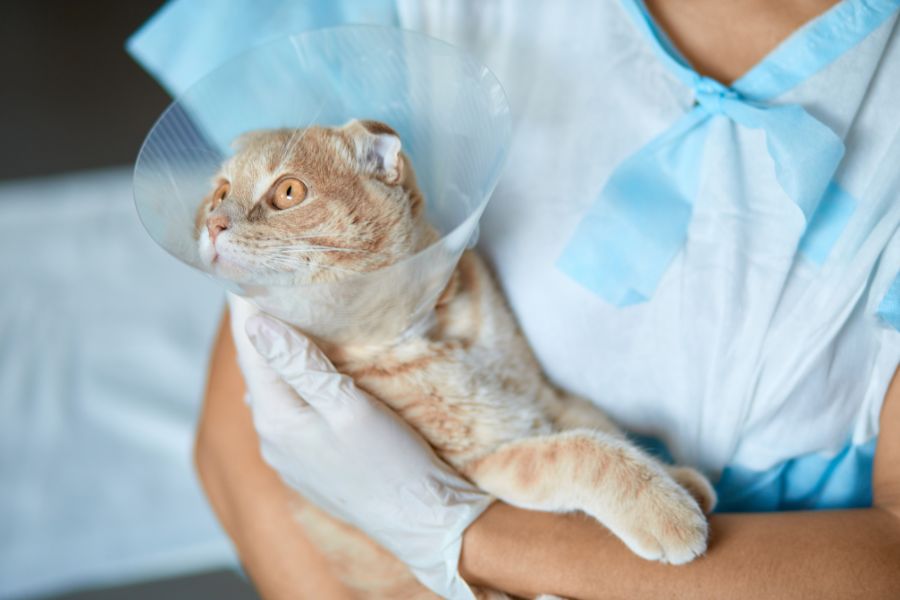
- Use the e-collar as directed. Most pets hate the cone. Most incision complications come from pets who were allowed to lick. Keep it on.
- Give all medications on schedule. Do not skip doses because your pet seems comfortable. Pain management works best when it stays ahead of discomfort.
- Keep all follow-up appointments. Even if your pet looks great, suture removal and recheck exams confirm healing is progressing correctly.
A common misconception is that a pet who is eating, drinking, and acting normally after surgery is fully healed and can return to regular activity. In reality, soft tissue and orthopedic repairs require weeks of restricted movement even when the pet feels perfectly fine. Rushing this stage is one of the most common causes of post-surgical complications.
In Port St. Lucie, the warm climate and active outdoor lifestyle can make confinement harder on both pet and owner. Build a routine around short, calm leash walks during recovery and save the beach trips and backyard play for after your vet gives the all-clear.
How to Choose a Veterinary Team You Trust for Surgery
Surgery requires trust. You are handing over the most important member of your family. The clinic you choose should offer clear pre-surgical communication, transparent consent processes, continuous anesthetic monitoring, and a team that welcomes your questions without making you feel rushed.
Fear-free certified practices reduce stress before, during, and after procedures, which directly improves anesthetic safety and recovery quality. Ask prospective clinics about their monitoring protocols, how they handle postoperative pain, and whether you will receive a direct contact for questions during recovery.
Live with Grace Animal Hospital was built around the belief that veterinary care is a partnership, not a transaction. From the first pre-surgical conversation to the final recheck, every step is handled with the transparency and compassion your pet deserves.
When preparing pet for surgery, the right team makes every step easier. Book an appointment today.
Frequently Asked Questions
Q: How long does my pet need to fast before surgery?
Ans: Most adult dogs and cats are fasted for eight to twelve hours before surgery. However, this can vary based on your pet’s age, weight, and health status. Always follow the specific fasting instructions your veterinarian provides, as puppies, kittens, and animals with certain conditions may have different requirements.
Q: Can my pet drink water before surgery?
Ans: In many cases, water is allowed until a few hours before the procedure, but this depends on your vet’s protocol. Confirm the exact cutoff time with your clinic when you receive your pre-surgical instructions.
Q: What should I do if my pet vomits the night before surgery?
Ans: Contact your veterinary clinic right away. Vomiting before a scheduled procedure can affect anesthetic safety and may require rescheduling or additional evaluation before proceeding.
Q: How do I set up a recovery space at home?
Ans: Choose a quiet, low-traffic room where your pet can rest without being disturbed. Use a comfortable, easy-to-clean bed placed on the floor to prevent jumping. Keep food, water, and medications nearby, and remove any obstacles that could cause tripping or strain during recovery.
Q: When should I call the vet after surgery?
Ans: Call your veterinary team if you notice excessive bleeding, swelling, or discharge at the incision site, if your pet refuses food for more than 24 hours, if vomiting or diarrhea persists, if your pet appears to be in pain despite medication, or if anything else seems off. It is always better to call and be reassured than to wait and wonder.