12457 SW Community Blvd., Port St. Lucie, FL 34987

Pet Dental Health Exams & Care
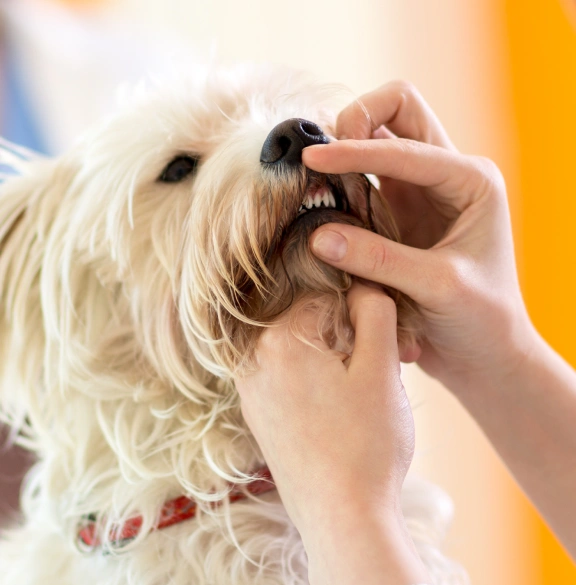
Good dental hygiene is essential to your pet’s overall well-being, as dental disease can contribute to serious health problems like heart and kidney disease. At Live with Grace Animal Hospital, we offer dental exams to check the condition of your pet’s teeth and gums.
After a quick visual assessment, we may recommend a more thorough exam under sedation, a professional dental cleaning, or provide advice on maintaining your pet’s oral health at home. Early detection and regular care can make a big difference in your pet’s comfort and long-term health.
Dental Examinations for Pets
Just like humans, pets can develop dental issues that, if left untreated, may lead to serious health complications. Regular dental exams are an important part of your pet’s overall wellness and a key component of the standard of care at Live with Grace Animal Hospital. Maintaining good oral hygiene not only keeps your pet’s teeth and gums healthy but also helps prevent more significant problems affecting the heart, kidneys, and other organs.
It's important to monitor your pet for signs that they may need dental attention. These can include bad breath, difficulty eating or chewing, excessive drooling, swollen or bleeding gums, discolored or missing teeth, and changes in appetite or weight. If you notice any of these symptoms, scheduling a dental cleaning is essential to their health and comfort.
Routine dental exams help identify early signs of plaque, tartar buildup, cavities, and gum disease. Early detection allows for timely treatment, helping to avoid pain, prevent progression, and reduce the risk of costly interventions down the line. By keeping up with regular dental care, you’re not only protecting your pet’s smile but also supporting their long-term health and happiness.

Pet Dental Cleaning
If your pet has plaque and tartar buildup, a professional dental cleaning may be recommended to protect their oral and overall health. This procedure is performed under anesthesia to ensure your pet's safety and comfort.
What to Expect
- Oral Exam & X-Rays: We begin with a thorough exam, possibly including dental x-rays to check for hidden issues.
- Scaling & Polishing: Plaque and tartar are removed from the teeth and beneath the gums, followed by polishing to prevent future buildup.
- Fluoride Treatment: A fluoride application may be used to strengthen enamel and reduce decay risk.
- Extractions: Severely damaged or infected teeth may need to be removed to prevent further complications.
- Recovery: Your pet will be monitored closely as they wake from anesthesia.
After the Cleaning
Pets typically have cleaner teeth, fresher breath, and may feel more energetic. Your veterinarian may recommend ongoing dental care such as special diets, chews, or brushing routines to maintain oral health.
Preparing for the Appointment
- No food 12 hours before the procedure
- Water is allowed until the appointment
- Bring current medications
- Discuss any concerns with your vet beforehand
Regular dental cleanings, combined with home care, help keep your pet healthy and comfortable.
Dental Radiography
Dental x-rays may be recommended to detect issues below the gumline that aren’t visible during a standard oral exam. These images help us diagnose problems such as tooth root infections, bone loss, or hidden decay—ensuring your pet receives the most accurate and effective treatment plan.
At-Home Dental Care
After your pet’s dental exam, your veterinarian at Live with Grace Animal Hospital will provide a tailored treatment plan, which often includes simple at-home care to maintain your pet’s oral health between cleanings.
Here are a few tips to support your pet’s dental care at home:
- Brushing Your Pet’s Teeth
Use a pet-specific toothbrush and toothpaste to gently brush your pet’s teeth several times a week. This helps reduce plaque and tartar buildup and supports healthy gums. - Dental Chews and Toys
Chewing helps naturally clean your pet’s teeth. Dental chews and specially designed toys can reduce plaque and promote healthier gums. Choose products that are safe and suitable for your pet’s size and chewing style. - Dental-Friendly Diets
Some pet foods are specially formulated to support oral health by helping remove plaque as your pet eats. Ask us about the best dental diet options for your pet’s breed, age, and health needs.
Maintaining your pet’s oral health takes a team effort. By combining regular professional dental cleanings with consistent at-home care—like brushing, dental chews, and a dental-friendly diet—you can help keep your pet’s teeth clean, their breath fresh, and their overall health strong for years to come.
