12457 SW Community Blvd., Port St. Lucie, FL 34987

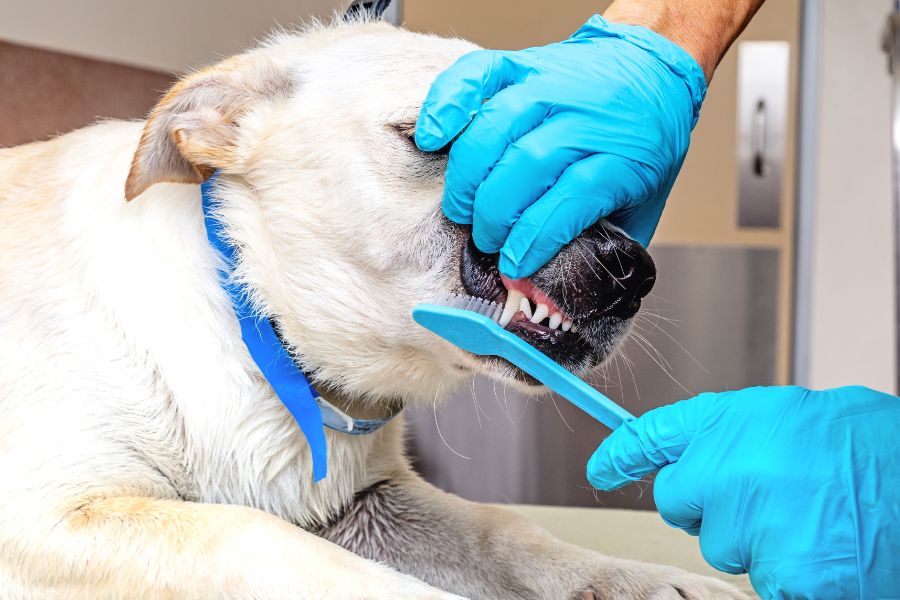
Most pet owners who brush their dog’s or cat’s teeth regularly assume they are doing everything needed to protect their pet’s mouth. Brushing is a great habit. But here is the hard truth: it is not enough on its own. Plaque below the gumline, hardened tartar deposits, and early-stage disease are simply beyond what a toothbrush can reach. A professional pet dental cleaning vet visit does something brushing at home never can. It gives your pet’s mouth a thorough, clinical evaluation and a level of cleaning that protects not just their teeth but also their overall health. This article explains exactly what separates a home brushing routine from a professional dental procedure and why both matter for your pet’s long-term well-being.
What a Professional Pet Dental Cleaning Actually Involves
Brushing removes loose surface plaque. That is where its job ends. A professional dental cleaning goes several steps further and addresses parts of your pet’s mouth that are completely invisible during a home routine.
Dental disease affects an estimated 80 percent of dogs and 70 percent of cats over age three. Most of that disease starts below the gumline, in a space no toothbrush ever reaches. Bacteria collect in the sulcus, the small gap between the tooth and gum, where they form pockets of infection that can eventually damage bone and tooth roots.
Professional pet teeth cleaning includes a full oral exam, dental X-rays to evaluate roots and bone, ultrasonic scaling to break down tartar above and below the gumline, hand scaling between teeth, and polishing to smooth the enamel surface. None of these steps can be replicated at home.
Anesthesia is required for a thorough professional cleaning. This allows the veterinarian to safely examine every tooth, probe every gum pocket, and take X-rays without causing stress or pain to your pet.
Signs Your Pet Needs More Than Just Brushing
Pet owners often tell us they had no idea their pet had a dental problem because the animal never showed obvious pain. Dental disease can be silent for months before outward signs appear. Knowing what to look for helps you act before the problem worsens.
Watch for these dog teeth cleaning signs in both dogs and cats:
- Persistent bad breath: Occasional mild odor is common, but strong or worsening breath signals bacterial buildup, not just last night’s dinner.
- Yellow or brown buildup on teeth: Visible discoloration near the gumline is calcified tartar, which cannot be removed with brushing.
- Red, swollen, or bleeding gums: Inflamed gum tissue means bacteria are already at work below the surface.
- Reluctance to chew or changes in eating habits: Pets with mouth pain often favor one side, drop food, or eat more slowly.
- Pawing at the mouth or face: A subtle sign many owners miss, especially in cats.
In our experience, pets who show even one or two of these signs often have moderate to advanced dental disease on X-ray. Do not wait for multiple symptoms to stack up before scheduling an evaluation.
How Does a Pet Dental Cleaning Work at the Vet?
A professional veterinary dental cleaning follows a structured process designed to be thorough, safe, and stress-minimizing for your pet.
Here is what to expect from start to finish:
- Pre-anesthetic bloodwork: Your vet will run a blood panel to confirm your pet is healthy enough for anesthesia before the procedure begins.
- Anesthesia induction: Your pet is safely placed under general anesthesia so the entire mouth can be evaluated without fear or discomfort.
- Full oral exam: Every tooth, every gum pocket, and all soft tissues are examined and charted.
- Dental radiographs: X-rays are taken of every tooth, including roots and surrounding bone, to identify disease that is invisible to the naked eye.
- Ultrasonic scaling: Tartar is removed from the crown and below the gumline using specialized equipment.
- Hand scaling: Precision instruments clean between teeth and in tight spaces the ultrasonic scaler cannot reach.
- Polishing: Enamel is smoothed after scaling to slow future plaque attachment.
- Fluoride or sealant application: Applied where indicated to protect and strengthen enamel.
- Recovery and discharge: Your pet wakes up in a monitored recovery area, and you receive a full dental report with X-ray findings and any follow-up recommendations.
In Port St. Lucie, FL, pet owners regularly come to us after noticing buildup during brushing that does not seem to go away. The cleaning process described above is why home care and professional cleanings need to work together, not replace each other.
Why Florida’s Climate Makes Dental Vigilance More Important
Florida’s warm, humid climate creates conditions where bacteria thrive year-round. There is no cold season to slow down oral bacterial populations the way northern climates experience. For pets in Port St. Lucie, this means tartar buildup in pets can progress faster than owners expect, particularly in breeds already prone to dental crowding, such as small dogs and brachycephalic breeds like Bulldogs and Pugs.
One of the most common misconceptions we hear is that pet bad breath causes are just a diet issue. Many pet owners assume their dog’s breath smells bad because of what they ate. In reality, chronic bad breath in pets is almost always a sign of bacterial overgrowth in the mouth, which points to dental disease, not food. Addressing the smell requires addressing the bacteria, and that means a professional cleaning.
Responsible pet dental care starts at home with brushing, but it cannot end there. Annual or biannual professional cleanings are essential for pets in any climate, and especially in humid, warm regions like South Florida.
Choosing a Vet Who Prioritizes Dental Health the Right Way
Not all dental cleanings are equal. Anesthesia-free dental cleanings have grown in popularity, but they are not considered a safe or effective substitute for a proper professional procedure. Without anesthesia, the areas below the gumline where disease begins cannot be accessed or treated, and X-rays cannot be taken.
Look for a clinic that performs full-mouth radiographs, uses anesthesia with proper monitoring, provides a post-procedure dental report, and recommends a home care plan to extend the results of each cleaning. These steps are non-negotiable for genuine dental health, not just surface-level cosmetics.
Dr. Kelly Rew, practice owner and medical director at Live with Grace Animal Hospital, brings over 15 years of veterinary experience and advanced training in dentistry to every dental procedure. Dr. Rew notes that pet owners are often surprised by what dental X-rays reveal. Teeth can look clean above the gumline while significant bone loss or root infection is already present underneath. A visual exam alone misses these problems entirely, which is why full radiographs are a standard part of every dental procedure at the clinic.
Brushing and Cleanings Work Together, Not Against Each Other
Home brushing and professional dental cleanings serve different purposes. Brushing slows plaque accumulation between visits. Professional cleanings address what brushing leaves behind and what is developing invisibly below the surface.
The two are not competitors. They are partners in your pet’s long-term oral health. Skipping professional cleanings because your pet tolerates brushing is like skipping a dentist visit because you brush your own teeth every day. The logic does not hold up once you understand what each does.
Every pet needs a professional pet dental cleaning vet visit at least once a year, and some breeds or individuals need them more frequently. At Live with Grace Animal Hospital, every dental procedure is built around a complete picture of your pet’s oral health, not just what is visible at the surface. Book an appointment today.
Frequently Asked Questions
Q: Is brushing my dog’s teeth enough to prevent dental disease?
Ans: Brushing is an important part of home care, but it does not replace professional cleanings. Tartar below the gumline, root disease, and bone loss cannot be addressed with a toothbrush and require a full veterinary dental procedure.
Q: How often should my pet get a professional dental cleaning?
Ans: Most dogs and cats benefit from a professional cleaning at least once a year. Some small breeds, senior pets, or those prone to rapid tartar buildup may need cleanings every six months. Your vet will recommend the right schedule based on your pet’s specific needs.
Q: What are the risks of skipping professional pet dental cleanings?
Ans: Untreated dental disease can progress to tooth loss, painful gum infections, and systemic illness affecting the heart, kidneys, and liver. Bacteria from the mouth can enter the bloodstream and cause problems far beyond the teeth.
Q: Why does my pet need anesthesia for a dental cleaning?
Ans: Anesthesia allows the veterinarian to safely examine every tooth and gum pocket, take full-mouth X-rays, and perform thorough scaling below the gumline without causing pain or distress. It is the only way to perform a complete and effective dental procedure.
Q: What can I do at home between professional dental cleanings?
Ans: Daily or several-times-weekly brushing with a pet-safe toothpaste is the most effective home option. Dental chews, water additives, and dental rinses approved by the Veterinary Oral Health Council can also help slow plaque and tartar accumulation between visits.