12457 SW Community Blvd., Port St. Lucie, FL 34987


Bad breath from your pet is not something to brush off. Most pet owners assume it is just “normal pet smell,” but persistent mouth odor is one of the earliest warning signs of dog cat dental disease. Dental problems are among the most common health issues we diagnose in companion animals, and they rarely get better without professional care. According to the American Veterinary Medical Association, an estimated 80% of dogs and 70% of cats show signs of dental disease by age three. That means the problem often starts much earlier than pet owners expect. Left untreated, dental disease can progress from mild gum inflammation to painful tooth loss and, in serious cases, bacterial spread to the heart, kidneys, and liver. This article walks you through the signs to watch for, what causes them, and the steps you can take to protect your pet’s health.
What Is Dental Disease in Dogs and Cats?
Pet dental disease is the gradual buildup of bacteria, plaque, and tartar on your pet’s teeth and along the gumline. It starts silently. Plaque forms daily and, if not removed, hardens into tartar within a few days. Tartar cannot be brushed away at home.
As tartar accumulates, it irritates the gums and creates pockets where bacteria thrive. This is the beginning of periodontal disease, the most advanced and painful stage. The progression from plaque to tooth loss can happen faster than most pet owners realize.
Many pets continue eating and behaving normally even when their mouths are in significant pain. Animals instinctively hide discomfort, which is why regular professional exams are so important for catching problems early.
Signs Your Pet May Have Dog Cat Dental Disease
Dental disease does not always announce itself loudly. Knowing the early and late-stage signs can help you act before the condition becomes severe.
Watch for these warning signs:
- Persistent bad breath: Mild mouth odor is common, but a strong, foul smell is one of the clearest signs of pet bad breath causes rooted in bacterial overgrowth.
- Yellow or brown buildup on teeth: Discoloration along the gumline signals tartar accumulation that needs professional removal.
- Red, swollen, or bleeding gums: Healthy gum tissue is pink and firm. Redness or bleeding after chewing is a red flag for active gum disease.
- Pawing at the mouth or face: Pets that rub their face repeatedly are often responding to oral pain or discomfort.
- Dropping food or chewing on one side: If your pet seems reluctant to eat or favors one side of the mouth, tooth pain is a likely cause.
- Excessive drooling: Unusual saliva production, especially if tinged with blood, warrants prompt veterinary attention.
Pet owners often tell us they noticed their dog or cat seemed “off” at mealtimes for weeks before they connected it to a dental issue. Trust your instincts. If something feels different, schedule an exam.
What Causes Dental Disease in Dogs and Cats?
Understanding pet bad breath causes and the roots of dental disease helps you take smarter preventive steps. Several factors influence how quickly dental disease develops.
Diet and chewing habits play a major role. Soft or wet food leaves more residue on teeth than dry kibble. Pets that do not have appropriate chew toys or dental treats miss out on one of the most natural forms of plaque reduction.
Breed and size matter too. Small dog breeds and flat-faced cats are genetically prone to crowded or misaligned teeth. Crowding creates more surfaces where bacteria can hide and plaque can accumulate unchecked.
Age is a significant risk factor. Dental disease worsens steadily over time when left unaddressed. Older pets are more likely to have advanced tartar buildup simply because they have had more years without professional dental cleanings.
Genetics and saliva chemistry also affect how quickly plaque mineralizes. Some pets are simply more prone to tartar buildup regardless of diet or home care.
In Florida’s warm and humid climate, we see many pets that spend more time indoors and may not be as active or engaged with chew toys as pets in more temperate environments. Boredom and low activity can translate to less natural chewing, which accelerates plaque accumulation.
How Is Dental Disease Diagnosed and Treated?
A professional dental exam is the only way to fully assess your pet’s oral health. Visual inspection at home gives clues, but hidden problems below the gumline require dental X-rays and examination under anesthesia to evaluate properly.
Here is what a professional dental cleaning and exam involves:
- Pre-anesthetic bloodwork: Your vet will check kidney and liver values to confirm your pet is safe for anesthesia.
- Full oral exam under anesthesia: The vet examines every tooth, checks pocket depth, and assesses the gumline for signs of disease.
- Dental X-rays: These reveal bone loss, tooth root infections, and other problems invisible to the naked eye.
- Scaling and polishing: Tartar is removed from all tooth surfaces, including below the gumline, and teeth are polished to slow future plaque attachment.
- Extractions if needed: Teeth that are too damaged to save are removed to eliminate pain and prevent further infection.
- Post-procedure care instructions: Your vet will give you a clear plan for recovery and home maintenance.
The American Animal Hospital Association recommends annual professional dental cleanings for most adult dogs and cats, with more frequent care for high-risk breeds. Pet dental disease treatment at this level goes far beyond what a toothbrush can accomplish at home. Our vet team at Live with Grace Animal Hospital provides thorough dental care for dogs and cats, with detailed post-procedure guidance to help you maintain results at home.
How to Prevent Dental Disease at Home
Prevention significantly slows the progression of dental disease between professional cleanings. The best approach combines daily habits with routine veterinary care.
Effective prevention steps include:
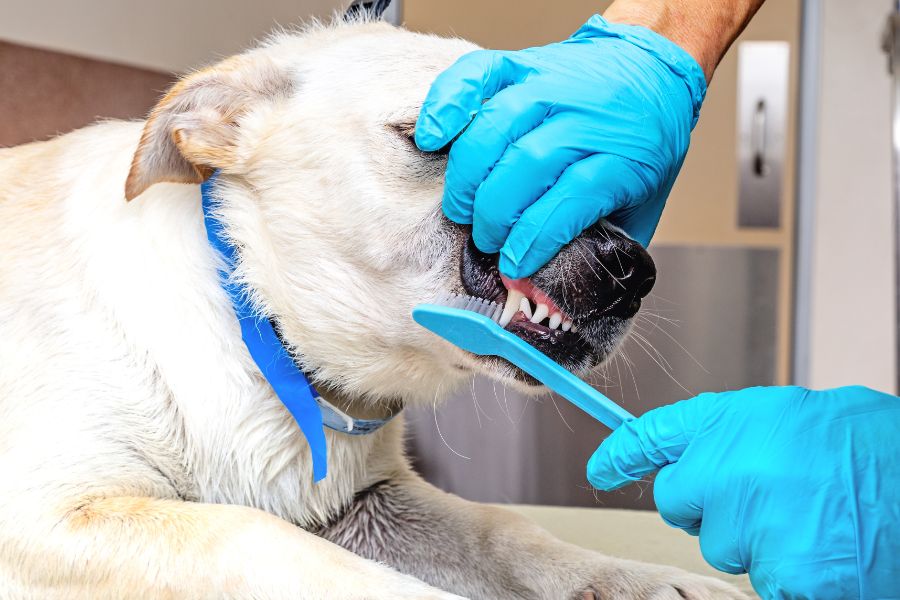
- Daily tooth brushing: Use a pet-safe toothpaste and a soft-bristled brush. Brushing every day removes fresh plaque before it hardens. Even brushing three to four times per week makes a measurable difference.
- Dental chews and toys: Products approved by the Veterinary Oral Health Council (VOHC) are specifically tested for plaque and tartar reduction.
- Water additives: Some veterinary-formulated water additives help reduce oral bacteria throughout the day.
- Annual professional cleanings: Home care alone cannot remove tartar. Professional cleanings remain the foundation of good oral health.
- Regular oral spot checks: Look at your pet’s teeth and gums weekly. Catching early signs of pet tooth decay means faster intervention and simpler treatment.
One of the most common misconceptions we hear from clients is that dental care is not necessary unless a pet is visibly in pain. In reality, pets are skilled at masking discomfort. By the time you notice obvious signs, the disease is often already in an advanced stage. We frequently remind our clients in Port St. Lucie that prevention costs far less, in both money and pet suffering, than treating advanced periodontal disease.
Conclusion
Dental disease is one of the most preventable yet most overlooked health conditions in companion animals. Recognizing the early signs of dog and cat dental disease, understanding what drives it, and acting promptly can spare your pet years of unnecessary pain. Start with daily brushing, provide VOHC-approved dental products, and commit to annual professional cleanings. If you have noticed any of the warning signs described in this article, do not wait for the problem to worsen. The team at Live with Grace Animal Hospital is here to help you keep your dog or cat comfortable, healthy, and pain-free from nose to tail. Book an appointment today.
Frequently Asked Questions
Q: What are the early signs of dental disease in dogs and cats?
Ans: Early signs include persistent bad breath, yellow or brown tartar buildup on teeth, and mild redness along the gumline. Some pets also begin dropping food or showing reluctance at mealtimes before other symptoms become obvious.
Q: How often should dogs and cats get professional dental cleanings?
Ans: The American Animal Hospital Association recommends annual professional dental cleanings for most adult pets. Small breeds and flat-faced cats may need more frequent care due to their higher risk of plaque buildup.
Q: Can I brush my pet’s teeth at home to prevent dental disease?
Ans: Yes, daily brushing with a pet-safe toothpaste is the most effective home prevention step. It removes fresh plaque before it hardens into tartar, but it does not replace annual professional cleanings.
Q: Is bad breath in dogs and cats normal?
Ans: Mild breath odor can be normal, but strong or persistent bad breath is not. It is usually a sign of bacterial buildup in the mouth and a common indicator of active dental disease that needs veterinary attention.
Q: What happens if pet dental disease is left untreated?
Ans: Untreated dental disease progresses from gum inflammation to tooth loss and can allow bacteria to enter the bloodstream, potentially affecting the heart, kidneys, and liver. Early treatment prevents far more serious health complications.