12457 SW Community Blvd., Port St. Lucie, FL 34987

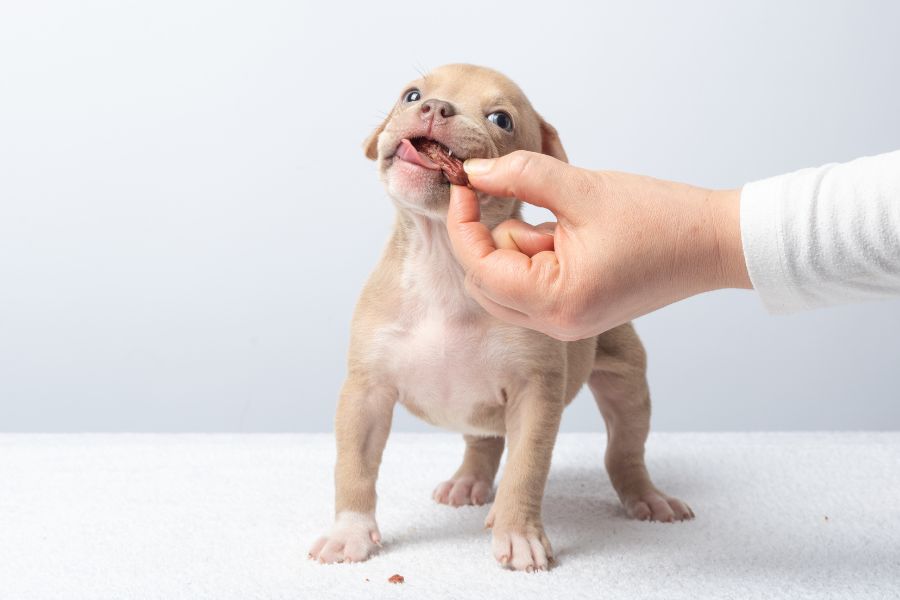
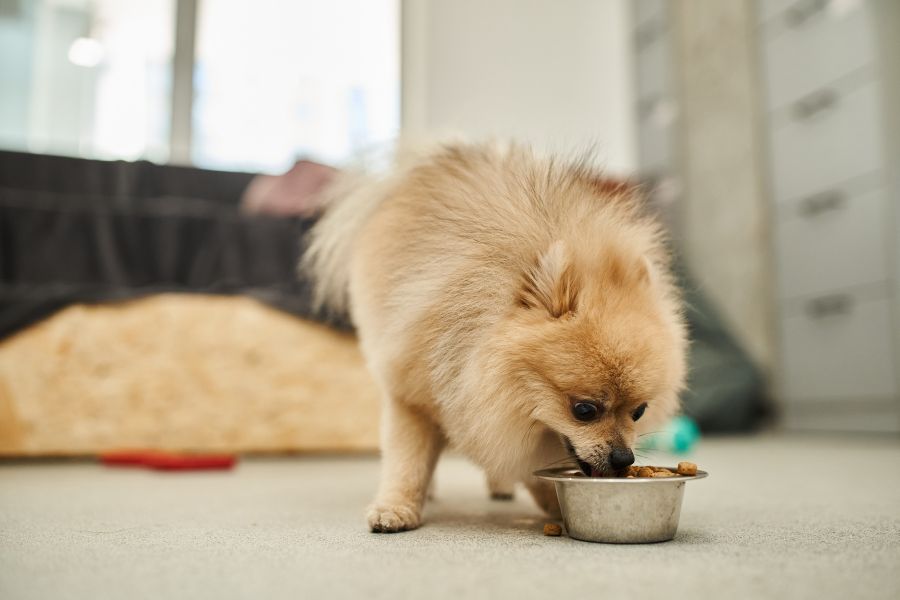
Choosing the right vet-recommended puppy food is one of the most important decisions you’ll make for your new furry family member. A balanced diet supports growth, strengthens immunity, and helps prevent future health issues. In this guide, we’ll break down the best healthy puppy food options, what to look for on labels, and practical puppy diet tips to keep your pup thriving.
Why Choosing the Right Puppy Food Matters
Puppies grow rapidly, especially during their first year. Their bodies need a precise balance of protein, fats, vitamins, and minerals to support:
- Strong bones and joints
- Brain development
- Healthy digestion
- Immune system strength
Unlike adult dogs, puppies require more calorie-dense and nutrient-rich meals. Feeding poor-quality food can lead to long-term health problems like obesity, weak bones, or digestive issues.
Why Consider Vet-Recommended Puppy Food?
When veterinarians suggest puppy food, they look for specific nutritional standards backed by science. Here’s what sets quality food apart:
Key Features to Look For:
- AAFCO approval (meets nutritional standards)
- High-quality protein (chicken, lamb, or fish as the first ingredient)
- DHA for brain and eye development
- Balanced calcium and phosphorus for bone growth
- No unnecessary fillers or artificial preservatives
Ingredients to Avoid:
- Artificial colors and flavors
- Excessive corn or soy fillers
- By-products with unclear sourcing
10 Vet-Recommended Puppy Foods That Support Healthy Growth
Here are some of the most trusted healthy puppy food options recommended by veterinarians:
1. Hill’s Science Diet Puppy
- Formulated for optimal growth and development
- Contains DHA from fish oil
- Easy to digest for sensitive stomachs
2. Royal Canin Puppy Formula
- Breed-specific options available
- Supports digestive health
- Highly palatable for picky eaters
3. Purina Pro Plan Puppy
- Rich in protein for muscle growth
- Includes probiotics for gut health
- Widely recommended by vets
4. Blue Buffalo Life Protection Puppy
- Real meat as the first ingredient
- Includes antioxidant-rich LifeSource Bits
- No poultry by-product meals
5. Wellness Complete Health Puppy
- Balanced nutrition with natural ingredients
- Supports immune and digestive health
- Free from artificial additives
6. Nutro Ultra Puppy
- Trio of proteins: chicken, lamb, and salmon
- Non-GMO ingredients
- Promotes healthy skin and coat
7. Merrick Grain-Free Puppy Recipe
- High protein content
- Ideal for active puppies
- Includes omega fatty acids
8. Iams ProActive Health Smart Puppy
- Affordable and widely available
- Supports brain development
- Strong immune system support
9. Orijen Puppy Formula
- Biologically appropriate raw-inspired diet
- High protein and nutrient density
- Great for high-energy breeds
10. Canidae PURE Puppy
- Limited ingredient diet
- Ideal for puppies with food sensitivities
- Easily digestible
How to Choose the Best Puppy Food for Your Dog
Not every puppy is the same. Choosing the best vet-recommended puppy food depends on several factors:
Consider Your Puppy’s:
- Breed size: Large breeds need controlled calcium levels
- Age: Younger puppies need more frequent meals
- Activity level: Active pups need more calories
- Health conditions: Some may require specialized diets
If you’re unsure, consulting a veterinarian is always the safest approach.
Puppy Diet Tips Every Pet Owner Should Know
Feeding your puppy isn’t just about picking the right food—it’s about how and when you feed them.
Essential Puppy Diet Tips:
1. Stick to a Feeding Schedule
- Feed 3–4 times daily for young puppies
- Transition to 2 meals per day as they grow
2. Measure Portions Carefully
Overfeeding can lead to obesity, especially in growing pups.
3. Avoid Frequent Food Changes
Switching foods too often can upset your puppy’s stomach.
4. Provide Fresh Water Always
Hydration is essential for digestion and overall health.
5. Limit Treats
Treats should make up no more than 10% of daily calories.
Common Feeding Mistakes to Avoid
Even well-meaning pet owners can make mistakes. Avoid these common pitfalls:
- Feeding adult dog food too early
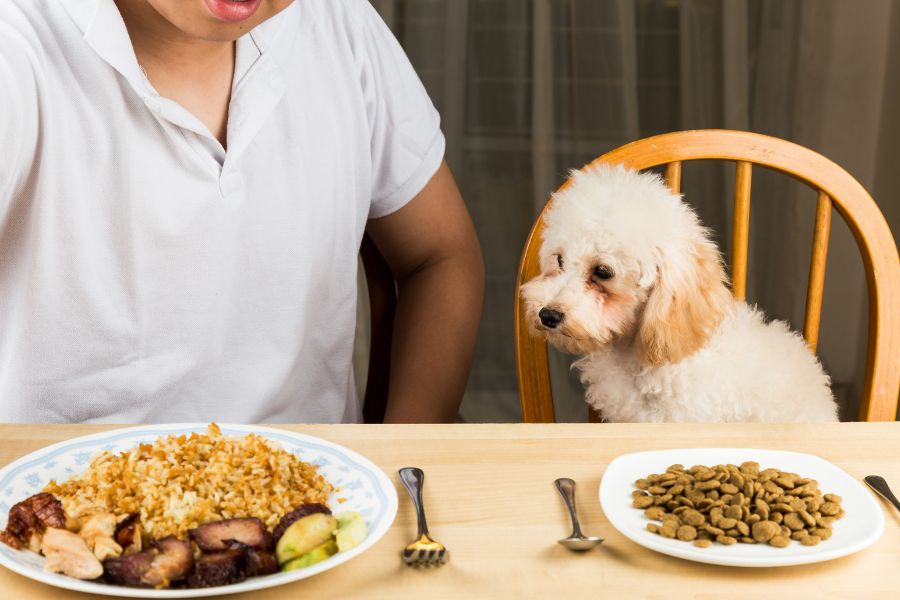
- Giving table scraps regularly
- Ignoring portion sizes
- Not transitioning food gradually
These mistakes can lead to digestive issues and nutritional imbalances.
Transitioning to a New Puppy Food
When switching to a new healthy puppy food option, do it gradually over 7–10 days:
- Day 1–3: 75% old food, 25% new
- Day 4–6: 50% old, 50% new
- Day 7–10: 25% old, 75% new
This helps prevent stomach upset and ensures a smooth transition.
Local Guide for Pet Owners
In Port St. Lucie, the warm climate means puppies can become dehydrated more quickly. Always:
- Ensure access to clean, cool water
- Avoid feeding during peak heat hours
- Store food properly to prevent spoilage
Local pet owners should also be mindful of outdoor activity levels, as high temperatures can affect appetite and hydration.
For personalized nutrition advice, Live with Grace Animal Hospital offers expert guidance tailored to your puppy’s specific needs.
Conclusion
Choosing the right vet-recommended puppy food is essential for your puppy’s growth, health, and happiness. From understanding ingredient labels to following smart puppy diet tips, every decision you make impacts your dog’s future.
By selecting high-quality, healthy puppy food options and maintaining a consistent feeding routine, you’re setting your puppy up for a lifetime of wellness.
If you’re unsure which food is best for your pup, schedule a visit with Live with Grace Animal Hospital today and give your puppy the healthiest start possible.
FAQs
Q1: What is the best vet-recommended puppy food for small breeds?
Ans: Small breeds benefit from calorie-dense food with smaller kibble size, such as Royal Canin or Hill’s Science Diet formulas designed specifically for small puppies.
Q2: How often should I feed my puppy each day?
Ans: Young puppies should eat 3–4 meals daily, gradually reducing to 2 meals per day as they approach adulthood.
Q3: Can I switch puppy food brands frequently?
Ans: Frequent changes are not recommended. Always transition gradually to avoid digestive upset and maintain nutritional consistency.
Q4: Are grain-free diets good for puppies?
Ans: Grain-free diets can work for some puppies, but they are not necessary unless recommended by a veterinarian for specific health conditions.
Q5: When should I switch from puppy food to adult dog food?
Ans: Most dogs transition to adult food between 10 and 18 months, depending on breed size and growth rate. Always consult your vet for guidance.