12457 SW Community Blvd., Port St. Lucie, FL 34987

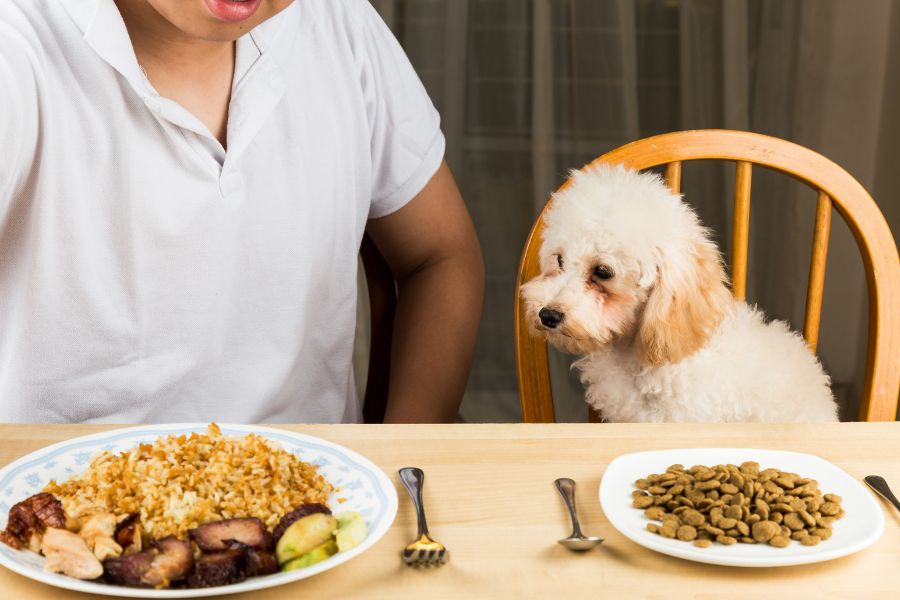
Many dog owners wonder whether sharing human foods with their pets is safe or harmful. While some meats can be healthy for dogs, others pose serious risks due to seasoning, preparation methods, or toxic ingredients. In this guide, we’ll explain whether dogs can eat human foods, which options are safe, which to avoid, and veterinarian-recommended alternatives to keep your dog healthy in Port St. Lucie.
Can Dogs Eat Human Food Dishes?
Dogs can eat some human Food dishes, but only under specific conditions. Plain, well-cooked, unseasoned meats may be safe in moderation, while processed, seasoned, or fatty meats can lead to digestive upset or long-term health problems.
Human meals are prepared for human taste, not canine nutrition. Ingredients like garlic, onions, excess salt, sauces, and oils make many meat dishes unsafe for dogs.
Why Human Food Dishes Can Be Risky for Dogs
Although dogs are omnivores, their digestive systems differ significantly from ours. Feeding dogs table scraps regularly can cause:
- Gastrointestinal upset (vomiting, diarrhea)
- Pancreatitis from fatty foods
- Sodium toxicity from salty meats
- Obesity and nutritional imbalance
- Toxic reactions from seasonings
Veterinarians consistently advise that treats should make up no more than 10% of a dog’s daily calories.
Safe Meat Options for Dogs (Vet-Approved)
If you choose to share meat with your dog, preparation matters more than the type of meat itself.
Plain Cooked Chicken
Chicken is one of the safest and most commonly recommended meats for dogs.
Safe if:
- Boiled or baked
- Skinless and boneless
- No seasoning, butter, or oil
Benefits:
- High-quality protein
- Easy to digest
- Helpful for dogs with sensitive stomachs
Lean Turkey
Turkey can be a healthy protein source when prepared correctly.
Safe if:
- Plain, cooked thoroughly
- No salt, herbs, or stuffing
- No skin or bones
Avoid deli turkey or holiday leftovers, which are often high in sodium.
Lean Beef
Beef provides essential amino acids and iron.
Safe if:
- Fully cooked
- Lean cuts only
- Served plain in small portions
Avoid steak seasoned with garlic butter or marinades.
Cooked Fish (Salmon or White Fish)
Fish can support skin and coat health.
Safe if:
- Fully cooked
- No bones
- No seasoning
Raw fish should be avoided due to parasite risk.
Meat Dishes Dogs Should Never Eat
Many popular meat-based dishes are dangerous for dogs, even in small amounts.
Processed Meats
Avoid:
- Bacon
- Sausages
- Hot dogs
- Ham
- Pepperoni
These are high in fat, preservatives, and salt, increasing the risk of pancreatitis.
Seasoned or Sauced Meats
Dangerous ingredients include:
- Garlic and onion (toxic to dogs)
- Chili powder
- Barbecue sauce
- Soy sauce
- Butter and heavy oils
Fried Meats
Fried chicken, schnitzel, or breaded meats can cause:
- Severe stomach upset
- Weight gain
- Pancreatitis
Bones from Human Meat Dishes
Cooked bones can splinter and cause:
- Choking
- Intestinal blockages
- Internal injuries
How Much Meat Can Dogs Safely Eat?
Even safe meats should be offered in moderation.
General guidelines:
- Small dogs: 1–2 tablespoons
- Medium dogs: 2–4 tablespoons
- Large dogs: Up to ¼ cup
Meat should supplement a complete and balanced dog food, not replace it.
Healthier Alternatives to Human Foods
Instead of sharing table scraps, consider safer options:
- Commercial dog treats with limited ingredients
- Vet-approved fresh dog food
- Homemade dog meals formulated with veterinary guidance
- Freeze-dried single-protein dog treats
These options provide nutrition without unnecessary risks.
Signs Your Dog Ate Unsafe Meat
Contact a veterinarian if your dog shows:
- Vomiting or diarrhea
- Lethargy
- Abdominal pain
- Excessive thirst
- Loss of appetite
Local Veterinary Insight for Port St. Lucie Dog Owners
In Port St. Lucie, FL, veterinarians often see digestive issues linked to well-meaning owners sharing human food, especially during holidays and family gatherings. Coastal lifestyles, outdoor grilling, and seafood meals can increase exposure to unsafe scraps. Consulting your local veterinarian in Port St. Lucie ensures your dog’s diet supports long-term health rather than short-term indulgence.
Veterinarian-Recommended Dog Feeding Tips
- Stick to plain, cooked meats only
- Avoid seasoning entirely
- Never feed cooked bones
- Introduce new foods slowly
- When in doubt, don’t share
For personalized guidance, consult Live with Grace Animal Hospital for nutrition advice tailored to your dog’s age, breed, and health status.
Conclusion
So, can dogs eat human food dishes? Some plain meats can be safe, but most human-prepared dishes carry hidden risks. The safest approach is moderation, simplicity, and veterinary guidance. Choosing dog-specific foods over table scraps helps protect your pet from preventable health issues and ensures a longer, healthier life.
If you’re unsure what’s safe for your dog, schedule a consultation with Live with Grace Animal Hospital today.
FAQs
Q1: Can dogs eat cooked meat from human meals?
Ans: Yes, but only if the meat is plain, fully cooked, and free from seasoning, sauces, or oils.
Q2: Is it safe for dogs to eat leftover steak?
Ans: Only if it’s unseasoned, lean, and served in small portions. Seasoned or fatty steak should be avoided.
Q3: Why are onions and garlic dangerous for dogs?
Ans: They can damage red blood cells in dogs, leading to anemia even in small amounts.
Q4: Can dogs eat meat every day?
Ans: Meat should be part of a balanced diet, not the main food source, unless formulated by a veterinarian.
Q5: What should I do if my dog eats unsafe meat?
Ans: Monitor for symptoms and contact your veterinarian immediately if vomiting, diarrhea, or lethargy occurs.