12457 SW Community Blvd., Port St. Lucie, FL 34987

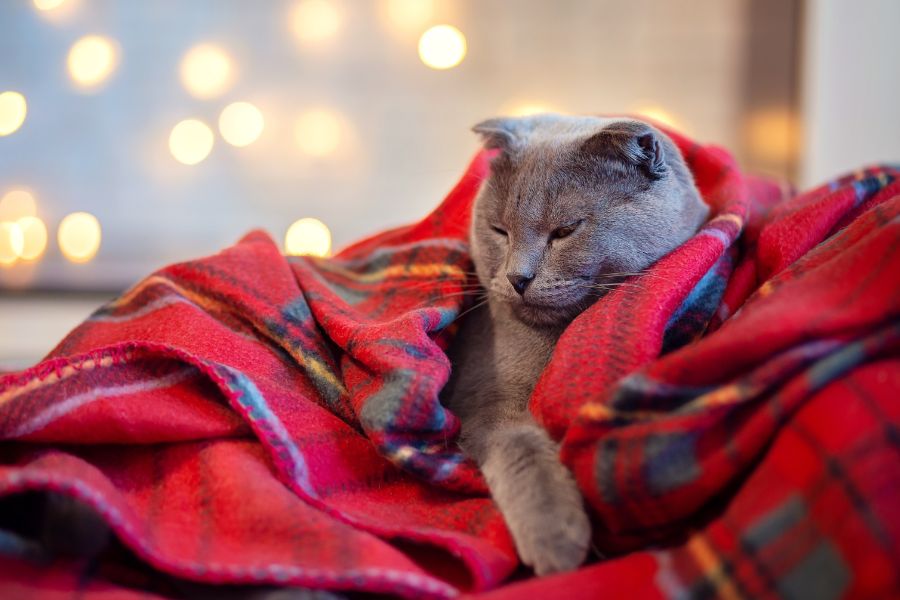
As temperatures drop, our pets need extra protection to stay warm, healthy, and comfortable. Choosing the right winter clothes for pets not only shields them from cold weather but also reduces risks like hypothermia, dry skin, and joint stiffness. In this guide, we’ll explore the best winter gear for pets, must-have accessories, and expert tips to keep pets warm in winter. From cosy sweaters to paw balms, this article covers everything you need to keep your furry friend safe all season long.
Why Winter Clothing Matters for Pets
While many animals have natural fur, not all pets tolerate cold temperatures equally. Small breeds, senior pets, puppies, short-haired breeds, and pets with medical conditions often need an extra layer of warmth in chilly weather.
Signs Your Pet May Need Extra Warmth
- Shivering or trembling
- Curling up tightly or seeking warm spots
- Lifting paws while walking
- Reluctance to go outdoors
- Dry, flaky skin
Winter wear isn’t just for fashion; it supports comfort, safety, and overall wellness.
Best Winter Clothes for Pets
Choosing the right warm clothes for pets is essential for protection from cold winds, rain, and sudden temperature drops. Here are the top winter clothing options to consider:
Sweaters
Sweaters are ideal for moderately cold days and indoor warmth.
Benefits:
- Lightweight and comfortable
- Great for small dogs or short-haired breeds
- Easy to layer under coats
Choose soft, breathable fabrics like fleece, wool blends, or cotton.
Winter Coats and Jackets
For extremely cold climates or long walks, a coat is essential. Look for:
- Waterproof or windproof materials
- Insulated lining
- Adjustable straps for proper fit
These are especially helpful for senior pets who struggle to maintain their body temperature.
Hoodies
Pet hoodies are cosy, stylish, and practical for daily wear. They provide warmth without restricting movement and are perfect for pets who dislike bulky coats.
Thermal Shirts
Thermal garments help retain heat and work well as base layers for maximum insulation.
They’re excellent for skinny breeds like Greyhounds or Whippets.
Must-Have Winter Accessories for Pets
Accessories can make an even bigger difference in helping to keep pets warm in winter. Here are essentials every pet parent should consider:
Pet Boots
Boots protect paws from harsh winter surfaces like ice, salt, and cold pavement.
Benefits:
- Prevent frostbite
- Shield paw pads from chemical ice melts
- Improve traction on slippery surfaces
Look for non-slip soles and adjustable Velcro straps.
Socks
Pet socks prevent slipping indoors and provide extra warmth on cold flooring. They’re great for older pets with joint issues.
Scarves and Snoods
Scarves and snoods keep the neck and ears warm.
Snoods are especially useful for long-eared breeds like Cocker Spaniels or Hounds.
Waterproof Rain Gear
Raincoats or waterproof jackets protect pets from getting chilled after wet walks. Staying dry is essential for preventing illness in cold weather.
Paw Balms
Winter dryness can cause cracked paw pads.
A nourishing paw balm helps:
- Moisturize
- Protect against irritation
- Build a barrier against salt and ice
How to Choose the Best Winter Gear for Pets
When selecting the best winter gear for pets, consider these factors:
1. Fit and Comfort
A proper fit ensures warmth without restricting movement.
Make sure you can slide two fingers between the clothing and your pet’s body.
2. Material Quality
Choose breathable yet warm materials such as fleece, wool blends, or insulated fabrics.
3. Weather Conditions
Light sweaters work indoors, but outdoor gear should protect against wind, rain, and snow.
4. Ease of Cleaning
Opt for machine-washable fabrics to keep clothes fresh and hygienic.
5. Safety and Mobility
Avoid clothing with loose threads, buttons, or embellishments that pets might chew or swallow.
Winter Care Tips to Keep Pets Warm and Healthy
Your pet’s well-being goes beyond clothing. Use these tips to maintain comfort all winter:
Keep Walks Short During Extreme Cold
Limit outdoor time during freezing temperatures to prevent frostbite or hypothermia.
Create a Warm Indoor Environment
Provide cosy bedding, heated mats, or blankets away from drafts.
Monitor Skin and Coat Health
Cold air causes dryness, so regular grooming and moisturising help maintain healthy skin.
Adjust Their Diet
Some pets may need extra calories to maintain body heat, especially active dogs.
Consult your nearest veterinarian in Port St. Lucie for safe dietary adjustments.
Stay Hydrated
Indoor heating can cause dehydration just as much as summer heat.
Ensure constant access to fresh water.
Watch for Winter Hazards
Antifreeze, ice melt chemicals, and holiday plants can be toxic. Keep them out of reach.
Common Winter Clothing Mistakes Pet Owners Make
Even well-meaning pet parents can make mistakes. Here’s what to avoid:
Overdressing Pets
Too many layers can cause overheating. Always check for signs like panting, restlessness, or warm ears.
Choosing the Wrong Materials
Rough fabrics cause irritation. Prioritise soft, breathable, and non-itchy materials.
Skipping Paw Protection
Many pet owners forget paw care, yet it’s one of the most sensitive areas during winter.
Ignoring Proper Fit
Clothes that are too tight restrict movement, while loose clothes may get tangled.
Breeds That Benefit Most from Winter Clothes
Not all pets need winter wear, but these breeds often require extra warmth:
Small Breeds:
- Chihuahua
- Shih Tzu
- Maltese
- Pomeranian
Short-Haired Breeds:
- Boxer
- Pit Bull
- Dalmatian
- Doberman
Senior Pets or Pets With Medical Conditions
Older pets are far more vulnerable to cold weather because their bodies struggle to regulate temperature as efficiently as younger animals. Senior dogs and cats often have slower metabolisms, weaker muscles, and reduced fat insulation, making them more likely to experience chills, stiffness, and discomfort during winter.
Conclusion
Helping your pet stay warm during winter is essential for their comfort and health. From sweaters and jackets to boots and paw balms, choosing the right winter clothes for pets and accessories makes a significant difference in how they experience the season. If you’re located near Port St. Lucie, FL, and looking for an animal hospital in Port St. Lucie, Live with Grace Animal Hospital provides caring, knowledgeable support to ensure your pets thrive through the cold months.
FAQs
Q1: How do I know if my pet needs winter clothes?
Ans: Pets that shiver, have short hair, or avoid going outside in the cold usually benefit from winter clothing.
Q2: Are sweaters or jackets better for pets in winter?
Ans: Sweaters are great for light cold, while jackets provide waterproof, insulated protection for harsh weather.
Q3: Do indoor pets still need winter clothing?
Ans: Yes, small, senior, or short-haired pets may still need light sweaters indoors during cold spells.
Q4: How often should I apply paw balm in winter?
Ans: Most pets benefit from paw balm once daily or after outdoor walks to prevent dryness and cracking.
Q5: Can puppies wear winter clothes safely?
Ans: Absolutely, as long as the clothing fits well and doesn’t restrict movement. Puppies often need extra warmth.