12457 SW Community Blvd., Port St. Lucie, FL 34987

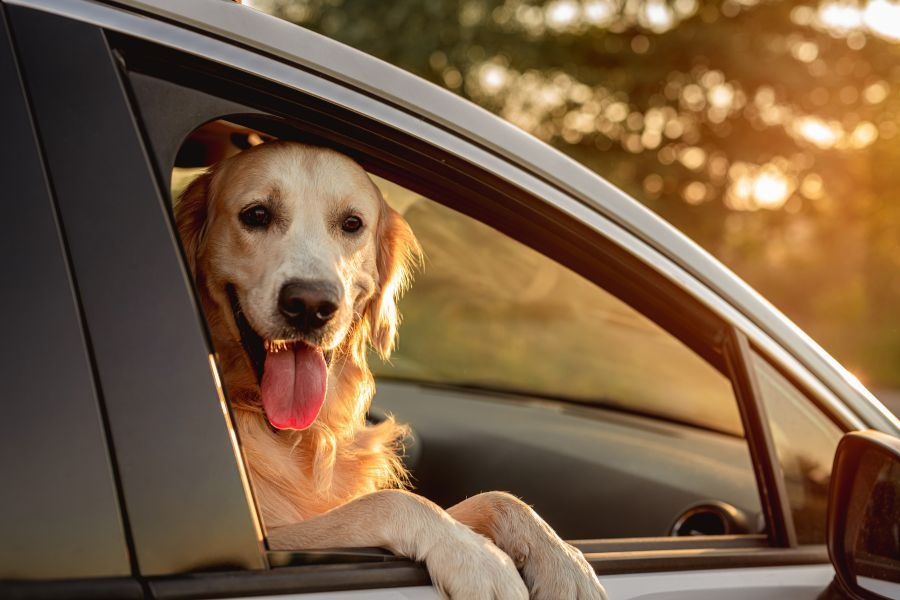
Every summer, dogs die inside parked cars. Not because their owners were careless people. Most people do not realize how fast a car becomes an oven. A dog in hot car conditions can develop life-threatening heatstroke in under ten minutes, even when the outside temperature feels comfortable. If you think cracking a window or parking in the shade makes it safe, this article will change your thinking. You will learn exactly what happens inside a parked vehicle, why dogs are so vulnerable to heat, the warning signs every pet owner must know, and what to do if your dog starts showing symptoms. The facts here could save your dog’s life this summer.
How Hot a Parked Car Really Gets
Most pet owners picture a car getting hot on a 95-degree Florida afternoon. The more dangerous truth is that a parked car becomes deadly on a 70-degree day.
On a mild 70-degree morning, the interior of a parked car can reach 100 degrees Fahrenheit within 20 minutes. On an 85-degree day, that number can climb past 120 degrees in under half an hour. Shade provides minimal protection. A tinted window cuts heat gain slightly but does not come close to keeping the interior safe. Cracking a window open makes almost no measurable difference in temperature.
The reason comes down to the greenhouse effect. Sunlight passes through glass and heats the surfaces inside your car. Those surfaces then radiate heat back into the enclosed space, and that trapped heat builds rapidly. A car is not a shaded porch. It is a sealed heat chamber.
Conditions in the parked car dog heat environment are dangerous within minutes, not hours. The AVMA reports that a car parked on an 80-degree day can reach 99 degrees in just 10 minutes and 114 degrees in 30 minutes. No errand is worth that risk.
Why Dogs Cannot Handle Heat the Way Humans Can
Dogs do not sweat through their skin. They cool themselves almost entirely through panting, which exchanges hot air from the lungs for cooler outside air. When the air around them is already 100 degrees or hotter, panting stops working. The air your dog is breathing in is hotter than the heat they are trying to release.
Flat-faced breeds like Bulldogs, Pugs, and French Bulldogs are at the highest risk because their shortened airways make efficient panting nearly impossible even in normal conditions. Senior dogs, overweight dogs, and dogs with heart or respiratory conditions face serious danger at lower temperatures and shorter time windows than healthy adult dogs. Puppies are also particularly vulnerable.
Heatstroke in dogs is not simply overheating. It is a cascade of organ failure. Once a dog’s core body temperature reaches 104 degrees, damage to the brain, kidneys, liver, and gastrointestinal tract begins. At 106 degrees or above, that damage becomes severe and potentially irreversible. Many dogs who survive heatstroke suffer lasting neurological or organ damage.
Recognizing Dog Overheating Symptoms Before It Becomes a Crisis
Knowing the warning signs of dog overheating symptoms gives you the window to act before a situation becomes life-threatening. Watch for:
- Excessive, rapid panting that does not slow down even when the dog rests
- Thick, sticky saliva or drooling more than usual
- Bright red or pale gums — both are warning signs of cardiovascular stress
- Glazed or unfocused eyes and a confused or disoriented expression
- Vomiting or diarrhea, which signal the body is shutting down digestion
- Stumbling, weakness, or collapse — at this stage, the situation is critical
At our animal hospital, many dogs presented for excessive panting during summer months are showing early signs of heat stress, not just normal seasonal behavior. Pet owners often assume their dog is simply tired from playing. In reality, persistent panting combined with red gums is a signal that requires immediate attention.
If you notice any of these signs in your dog, move them to a cool environment immediately and contact your nearest veterinarian in Port St. Lucie.
What to Do If Your Dog Overheats
If your dog shows signs of heat stress, take these steps in order:
- Move your dog to a cool, air-conditioned space immediately.
- Offer small amounts of cool (not ice cold) water. Do not force them to drink.
- Apply cool water to the paw pads, neck, and groin area using a wet cloth or towel.
- Do not cover your dog with a wet towel. It can trap heat against the body.
- Do not use ice or ice water. Rapid cooling can cause blood vessels to constrict and slow the cooling process.
- Get your dog to a veterinarian as quickly as possible, even if they appear to be recovering.
The last point matters more than most people realize. Heatstroke causes internal damage that is not visible from the outside. A dog that seems to be improving after cooling may still have kidney injury or clotting problems developing internally. Veterinary evaluation and bloodwork are essential after any heat event.
Keep dog safe summer plans in mind before you ever leave the house. If there is any chance you will make a stop with your dog in the car, leave them at home. The risk is never worth the company.
Prevention: How to Protect Your Dog During Florida Summers
Keeping your dog safe from heat in a place like Port St. Lucie, requires year-round awareness, not just a few hot months. Florida’s heat and humidity arrive early and stay late, and vehicles become dangerous even in spring and fall.
Practical steps that protect your dog:
- Never leave your dog in a parked car, even for one minute. Temperatures spike within the first few minutes of the engine being off.
- Walk dogs in the early morning or after sunset when pavement temperatures are safer for paw pads.
- Keep fresh water available at all times, including in the car during travel.
- Know your dog’s individual risk factors. Older dogs, brachycephalic breeds, and dogs with underlying conditions need extra monitoring in warm weather.
- Schedule a summer wellness check to make sure your dog is in good health before the hottest months hit.
A common misconception among pet owners is that a “quick errand” is not a real risk. The data says otherwise. There is no safe window for leaving a dog unattended in a parked vehicle in warm weather. Keep your dog safe summer habits mean planning ahead, not relying on a best-case scenario.
At Live with Grace Animal Hospital, the team sees the real consequences of heat exposure every summer. Early intervention makes an enormous difference in outcomes.
Conclusion
A dog in hot car conditions can go from healthy to critically ill within minutes. Florida summers do not leave room for guessing, and mild days are just as dangerous as the hottest ones. Know the warning signs of dog overheating symptoms, respond quickly if your dog shows any signs of heat stress, and make a firm rule: if you cannot bring your dog inside with you, leave them safely at home. Your dog depends on you to make that call. If you have concerns about your dog’s heat tolerance or want to schedule a summer wellness visit, book an appointment today.
Frequently Asked Questions
Q: How hot does a car get with a dog inside on a mild day?
Ans: On a 70-degree day, the interior of a parked car can reach 100 degrees Fahrenheit within 20 minutes. On an 85-degree day, temperatures inside can exceed 120 degrees in under 30 minutes. Cracking the window or parking in the shade does not meaningfully reduce these temperatures.
Q: How long can a dog safely stay in a parked car?
Ans: There is no safe amount of time for a dog to remain in a parked car in warm weather. Temperatures rise within the first few minutes after the engine is off. The only safe option is to leave your dog at home or bring them inside with you.
Q: What are the first signs of heatstroke in dogs?
Ans: Early signs include excessive, rapid panting that does not slow with rest, thick or sticky drooling, bright red or pale gums, glassy eyes, and restlessness or disorientation. If your dog shows any of these signs, move them to a cool area and contact your veterinarian right away.
Q: What should I do if I see a dog locked in a hot car?
Ans: Note the vehicle’s make, model, and license plate and immediately contact local law enforcement or animal control. Many states have laws that allow first responders, or even civilians, to intervene in life-threatening situations involving pets. Do not leave the area until help arrives.
Q: Are some dog breeds more at risk in a hot car than others?
Ans: Yes. Flat-faced breeds such as Bulldogs, Pugs, French Bulldogs, and Boxers are at the highest risk because they cannot pant efficiently. Senior dogs, overweight dogs, puppies, and dogs with existing heart or breathing conditions also face greater danger at lower temperatures and in shorter time periods.