12457 SW Community Blvd., Port St. Lucie, FL 34987

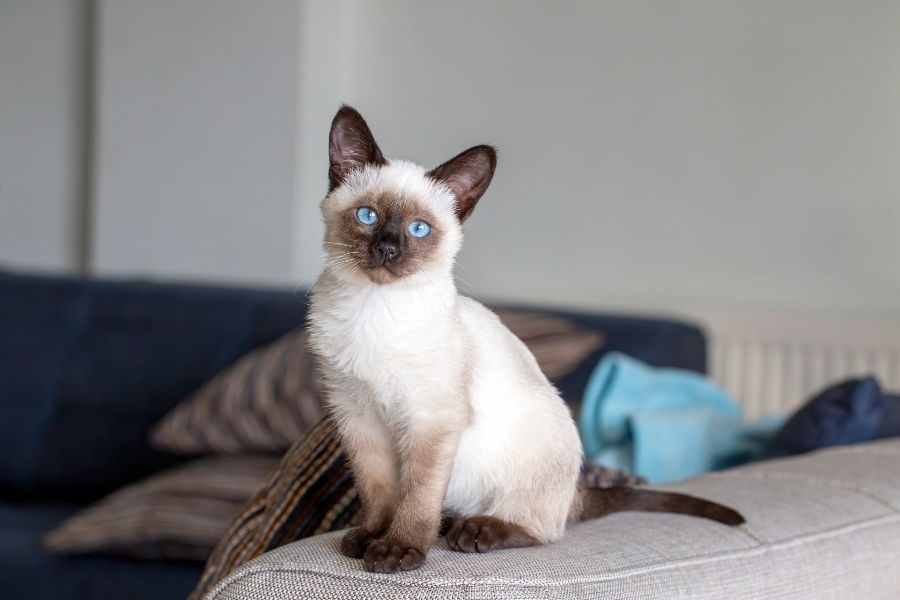
Siamese cats are expressive, vocal, and deeply connected to their owners. They are also one of the breeds most prone to specific respiratory and eye conditions that can escalate quickly without early intervention. Siamese cat respiratory problems and eye issues are not just common health concerns; they are warning signs that require a different level of urgency than the same symptoms in mixed-breed cats. If you share your home with a Siamese, understanding what to watch for and when to act can make a genuine difference in your cat’s comfort and long-term health. This guide covers the red flags specific to the breed, what causes them, and when same-day veterinary care is the right call.
Why Siamese Cats Are More Vulnerable Than Other Breeds
Siamese cats carry genetic predispositions that affect their respiratory and ocular health in ways that other breeds do not. Understanding the biology behind these vulnerabilities helps owners recognize symptoms faster and take them more seriously.
Respiratory vulnerabilities in Siamese cats are tied partly to their elongated head structure, which differs from round-headed breeds and creates a narrower nasal passage. More significantly, Siamese cats have a documented higher susceptibility to asthma. Feline asthma affects approximately one percent of all cats, but studies in feline respiratory medicine show that Siamese cats are overrepresented among diagnosed cases, suggesting a genetic component. Siamese cats are also predisposed to lower airway disease and are more likely than average to develop chronic bronchitis.
Eye vulnerabilities are equally breed-specific. Siamese cats have a well-documented gene variant that affects the optic nerve pathways, reducing binocular depth perception. More relevant to urgent care situations is their higher susceptibility to progressive retinal atrophy and their tendency toward eye conditions linked to stress, upper respiratory infections, and herpesvirus a pathogen that persists lifelong once contracted.
Respiratory Red Flags in Siamese Cats
Not all breathing changes look the same. Siamese owners need to know the spectrum from mild to urgent.
Watch for these respiratory warning signs:
- Wheezing or a high-pitched whistle during breathing: Classic signs of lower airway narrowing, common in feline asthma.
- Open-mouth breathing at rest or indoors: Cats should not breathe through their mouths unless they are severely overheated or panicked. Indoor open-mouth breathing is a red flag.
- Rapid breathing rate at rest: Count breaths for thirty seconds and double the number. Anything above forty-eight per minute at rest in a calm environment is abnormal.
- Hunched posture with elbows out: A Siamese adopting this position is working to maximize chest expansion. Do not delay on this.
- Blue or gray tinge to gums or tongue: Indicates inadequate oxygenation. This is an emergency.
- Sudden coughing or retching without a hairball: Asthma attacks in Siamese cats often look like gagging or choking, causing owners to mistake them for hairball episodes.
In our experience, many Siamese owners have lived with intermittent wheezing for months before seeking evaluation, assuming it was a quirk of the breed. Siamese cat respiratory problems are not simply a breed trait to tolerate. They are manageable conditions when properly diagnosed and treated.
Florida’s climate adds a layer of consideration. Port St. Lucie’s humidity and air quality, combined with indoor air conditioning systems that circulate dust and mold, can trigger asthma flares in susceptible Siamese cats year-round. Seasonal allergen loads in South Florida also run higher than in northern states, increasing flare frequency.
Eye Red Flags in Siamese Cats
Eye changes in Siamese cats deserve the same urgency as respiratory symptoms. The breed’s ocular anatomy and herpesvirus susceptibility create a narrow window between early symptoms and significant damage.
These eye signs require same-day evaluation:
- Squinting or holding one eye partially shut: Indicates pain, irritation, or early corneal damage.
- Cloudy or hazy appearance to the eye: May signal corneal ulceration, uveitis, or herpes-related keratitis.
- Increased tearing or colored discharge: Clear tearing can be normal briefly after irritation. Yellow or green discharge indicates infection.
- Visible third eyelid in one or both eyes: Protrusion of the nictitating membrane is a non-specific sign of illness or eye pain in cats.
- Sudden changes in pupil size between eyes: Unequal pupils, called anisocoria, can indicate neurological or intraocular pressure changes.
- Pawing at the face or rubbing the eye on surfaces: A cat trying to relieve eye discomfort needs to be seen before self-trauma worsens the injury.
Siamese cats with a history of upper respiratory infection are particularly prone to herpesvirus reactivation during periods of stress, travel, or illness. Herpes-related eye disease is common and recurrent in this breed, and each episode carries a risk of corneal scarring if not managed early.
What to Do When You Notice These Signs
Acting on warning signs immediately protects your Siamese from escalating damage.
For respiratory concerns: keep your cat calm and limit physical exertion. Stress and activity increase oxygen demand and worsen breathing difficulty. Dim lights and reduce household noise. Do not place your cat in a carrier with perfume or deodorizing sprays, which can trigger further airway irritation. Call the vet immediately and describe the breathing pattern.
For eye concerns: prevent your cat from pawing at or rubbing the affected eye. A soft e-collar (cone) can help during transport. Do not apply human eye drops without veterinary guidance, as many formulations are harmful to cats. Note when the symptom started and whether it has changed since you first observed it.
Trusted Urgent Care for Siamese Cats
Live with Grace Animal Hospital provides same-day care for Siamese cats showing respiratory or eye symptoms. The team understands breed-specific vulnerabilities and approaches Siamese health with the nuance these cats require. Pet urgent care for Siamese cats in Port St. Lucie means having access to a veterinary team that takes subtle symptoms seriously rather than waiting for a crisis to develop. Call 772-236-3369 to speak with the team and schedule a same-day visit when your Siamese shows signs that concern you.
Conclusion
Siamese cats communicate constantly. When something is wrong, they show it in their breathing, their posture, and the condition of their eyes. Siamese cat respiratory problems and eye conditions are breed realities that benefit from early, informed intervention. The red flags in this guide are not meant to create alarm. They are meant to help you tell the difference between a moment to monitor and a moment to act. When in doubt, call your veterinarian and describe what you are seeing. That phone call costs nothing and could prevent a manageable condition from becoming a serious one. Book an appointment today.
Frequently Asked Questions
Q: Are Siamese cats more prone to breathing problems than other cats?
Ans: Yes. Siamese cats have a documented higher susceptibility to feline asthma and chronic lower airway disease compared to the general cat population. Symptoms include wheezing, coughing, and episodes that resemble hairball gagging.
Q: What does a Siamese cat asthma attack look like?
Ans: Feline asthma attacks in Siamese cats often present as crouching low to the ground, neck extended, coughing or retching without producing a hairball, and rapid shallow breathing. Some attacks are brief. Others require emergency intervention if the cat cannot recover within a few minutes.
Q: Why does my Siamese cat have watery eyes?
Ans: Siamese cats are prone to herpesvirus-related eye disease, which causes tearing, squinting, and discharge. Any discharge that is yellow or green, or tearing accompanied by squinting or cloudiness, warrants same-day veterinary evaluation.
Q: Can feline herpesvirus cause permanent eye damage in Siamese cats?
Ans: Yes. Repeated herpesvirus reactivation can cause corneal scarring and chronic eye disease in Siamese cats. Early treatment during each episode minimizes scar formation and preserves vision.
Q: When should I take my Siamese cat to urgent care for eye or breathing issues?
Ans: Seek same-day care for open-mouth breathing, blue gums, rapid breathing at rest, eye cloudiness, squinting, colored discharge, or visible third eyelid. These signs indicate active disease that will not resolve without veterinary treatment.