12457 SW Community Blvd., Port St. Lucie, FL 34987

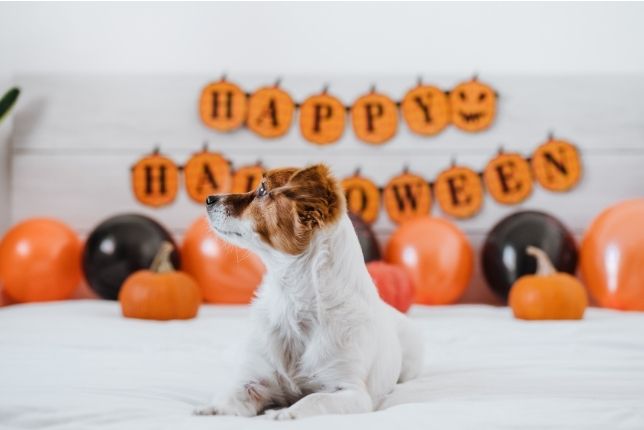
Halloween decorating is one of the most enjoyable parts of the season, but the combination of candles, synthetic materials, small props, and aromatic diffusers creates a genuinely hazardous environment for pets. Halloween decorations that are dangerous for pets is not an abstract concern. Veterinary practices see a consistent increase in ingestion, burn, and obstruction cases every October tied directly to seasonal decorating choices. The good news is that almost every hazardous decoration has a safer alternative that looks just as festive without creating risk for your animals. This guide identifies the most common decoration-related pet hazards by category, explains exactly why each one is dangerous, and offers practical safer swaps so you do not have to choose between a decorated home and a safe one.
Why Halloween Decorations Pose Greater Risk Than Most Pet Owners Realize
Pets interact with their environment through smell, taste, and touch in ways that go far beyond what owners typically anticipate. A decoration placed at table height is still accessible to a jumping cat. A decoration placed on the floor is within reach of any dog with curiosity. Synthetic materials that smell like chemicals, dyes, or artificial compounds attract investigation from animals who process the world largely through scent.
There is also a seasonal behavior shift that plays a role. Halloween activity at the front door, unusual visitors in costumes, and the sensory overload of a decorated home creates anxiety in many pets. Anxious animals chew, explore, and ingest objects they would not normally touch. A dog that never chews on houseplants suddenly gnaws on a foam skull prop when stressed. A cat that ignores table centerpieces starts batting at a dangling plastic skeleton when overstimulated.
Understanding this combination of physical access and behavioral state makes it clear why Halloween decoration-related dangerous incidents spike every October and why thoughtful decorating decisions prevent the majority of them.
The Most Hazardous Halloween Decorations and Their Safer Swaps
1. Open-Flame Candles in Carved Pumpkins The jack-o’-lantern with a lit candle inside is one of the most classic Halloween images and one of the most frequently overlooked pet hazards. Cats investigate flickering light instinctively. A tipped candle is an immediate burn risk and fire risk. Dogs that approach a low-placed jack-o-lantern out of curiosity are equally at risk.
Safer swap: Battery-operated LED tea lights or flameless candles that flicker realistically. They produce the same warm glow with no open flame, no hot wax surface, and no fire risk.
2. Decorative Fake Spider Webs Fake spider webs are one of the most common ingestion hazards seen during October. The stretched synthetic fiber is light enough to float, moves in airflow, and clings to fur, which triggers a grooming response in cats. Cats and dogs who ingest the web material risk intestinal obstruction, particularly if threads wrap around the intestines.
Safer swap: Gauze fabric draped in a web pattern is a softer, less clingy alternative. Paper-based web decorations are another option that will break down if ingested in small amounts rather than forming a tangled mass.
3. Small plastic props at Floor Level Miniature skulls, tiny pumpkins, fake eyeballs, bone props, and small plastic Halloween figurines are choking hazards and intestinal obstruction sources. A dog that swallows a plastic skull the size of a golf ball can face a serious foreign body emergency. The fake spiderweb pet choking risk extends to many small decoration categories.
Safer swap: Oversized fabric or plush decorations that are too large to swallow, or smooth wooden carved pieces with no breakaway parts.
4. Motion-Activated Decorations With Sudden Sounds and Lights Decorations that activate suddenly with screams, cackling, or flashing lights are designed to startle humans for fun. They do the same to pets, but without any context or ability to understand what is happening. Repeated startling can cause significant anxiety in dogs and cats, leading to behavioral issues, flight responses, and in extreme cases, injury when a panicked pet runs into furniture or walls.
Safer swap: Static decorations, or motion-activated pieces placed in areas that pets cannot access. Reserve sound-and-light decorations for the porch or outdoor space where pet exposure is controlled.
5. Scented Candles and Essential Oil Diffusers Seasonal fall and Halloween scents are popular for creating atmosphere, but essential oils are toxic to cats. Halloween is a well-documented and significant concern. Cinnamon, clove, nutmeg, pine, and peppermint, all common in Halloween and fall scent blends, contain phenolic compounds and other volatile organic compounds that cats cannot metabolize safely. Their livers lack the enzyme needed to process these substances, and diffuser exposure can cause respiratory distress, drooling, tremors, and liver damage.
Dogs are somewhat less sensitive than cats but are still affected by concentrated essential oil exposure. Candles and ornamental diffusers are toxic to cats; Halloween should be replaced outright in households with cats.
Safer swap: Unscented battery-operated candles for atmosphere. If you want seasonal scent, choose pet-safe sprays specifically formulated to be non-toxic to cats and dogs, available through pet supply retailers.
6. Dangling String Lights and Electrical Cords Halloween string lights in orange and purple are beautiful, but the cords that power them are an electrocution hazard for pets who chew. Cats are attracted to thin, snake-like objects and will chew on cords. Dogs, particularly puppies and young dogs, explore objects with their mouths.
Safer swap: Battery-operated string lights eliminate the cord hazard entirely. If plug-in lights are necessary, use cord covers or cable management sleeves to prevent direct access.
7. Decorative Corn and Gourds Ornamental corn, miniature gourds, and small squash are popular natural decorations. Fake spiderweb pet choking is matched in frequency by pets who ingest parts of ornamental corn. The kernels can cause significant gastrointestinal distress, and the cob itself can cause intestinal obstruction if swallowed in pieces. The colorful nature of ornamental corn makes it attractive to curious pets.
Safer swap: Full-sized pumpkins are generally too large to cause obstruction and are not highly toxic in small amounts. If your dog chews on a pumpkin, it is unlikely to cause serious harm, though a veterinary call is still worthwhile if a large amount is consumed.
How to Check Your Home Before Halloween Night
Doing a walk-through of your home from your pet’s eye level and behavioral perspective before decorating takes under 15 minutes and prevents the vast majority of decoration-related incidents.
Get down to floor level and look at what your cat or dog would encounter. Identify anything with dangling parts at nose height, anything small enough to be batted or swallowed, any cords running at ground level, and any candles within jumping distance of surfaces a cat uses.
Essential oils toxic to cats halloween concerns mean checking not just your diffuser but any seasonally scented plug-ins, wax melts, and potpourri that might be in use. Remove all of these from rooms cats access freely.
In Port St. Lucie, FL, the warm climate means doors and windows may be open during Halloween evening, which increases ventilation but also increases the chance that outdoor decoration pieces, dropped candy, and glow products make their way inside. Pet-safe Halloween decor alternatives include keeping all decoration interaction within the interior of the home with doors to the outside closed during party or trick-or-treating hours.
After Halloween night, do not leave decorations accessible while cleaning up. A post-party environment with scattered props, melted wax, and deflated inflatables is prime territory for a pet ingestion incident.
Our vet team providing dedicated veterinary care at Live with Grace Animal Hospital wants your pets to stay out of the clinic this Halloween and enjoy the season alongside your family. Choosing pet-safe Halloween decor alternatives means you can fully decorate without the worry, and that Halloween decoration dangerous for pets situations stay safely in the preventable category. Book an appointment today.
Frequently Asked Questions
Q: Are fake spider webs dangerous for cats?
Ans: Yes. Synthetic spider web material can be ingested when cats investigate or groom themselves after contact. The strands can form tangles in the digestive tract, creating an obstruction risk. Gauze or paper-based alternatives are safer options that break down more easily if ingested in small amounts.
Q: Can candles hurt cats even if they don’t touch them?
Ans: Yes in two ways. Scented candles release volatile compounds into the air that can irritate a cat’s respiratory system with prolonged exposure, and cats are at risk of knocking over candles placed within their jumping range, creating a fire and burn hazard. Battery-operated flameless candles eliminate both risks.
Q: Are essential oil diffusers safe to use around dogs?
Ans: Dogs are somewhat more tolerant than cats, but concentrated essential oil exposure can still cause respiratory irritation and systemic effects depending on the oil and duration of exposure. Cinnamon, clove, tea tree, and eucalyptus are particularly concerning. In any home with cats, essential oil diffusers should be avoided entirely.
Q: What Halloween decorations are safe to use around pets?
Ans: Battery-operated LED lights, large fabric or plush decorations without breakaway parts, full-sized pumpkins without candles, and smooth oversized wood carvings are among the safest options. Keep all decorations off the floor that are small enough to be swallowed, and avoid dangling pieces at pet-accessible heights.
Q: My dog chewed on a foam decoration. Should I be worried?
Ans: Small amounts of polyurethane foam are unlikely to cause severe toxicity, but they can cause gastrointestinal upset and, if a significant piece is swallowed, an obstruction risk. Monitor for vomiting, loss of appetite, or abdominal distension. If any of these signs appear or if your dog ingested a large piece, contact your veterinarian for guidance.

