12457 SW Community Blvd., Port St. Lucie, FL 34987

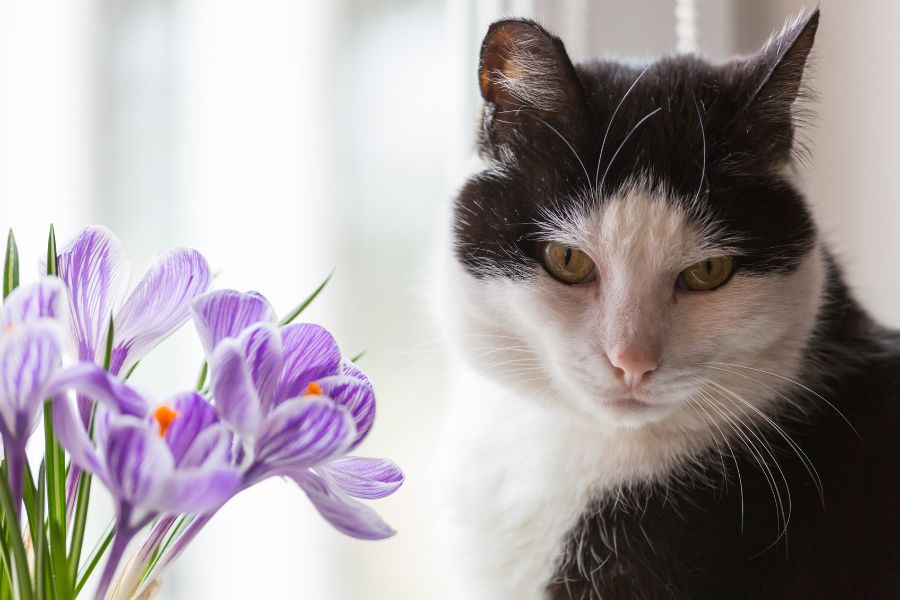
Lily poisoning in cats is a life-threatening emergency that every cat owner should understand. Even minimal exposure, like brushing against pollen or drinking water from a vase, can cause severe kidney damage. In this guide, we’ll explain the early signs of lily poisoning in cats, what to do if your cat eats lilies, and how fast treatment and proper diagnostic care can save your pet’s life.
What Is Lily Poisoning in Cats?
Lily poisoning in cats occurs when a cat comes into contact with certain highly toxic lily plants. These include popular varieties such as Easter lilies, tiger lilies, and daylilies. While these flowers may look beautiful in homes and gardens, they pose a serious danger to cats.
What makes lilies especially dangerous is that every part of the plant is toxic, including:
- Leaves
- Petals
- Stems
- Pollen
- Even the water in a vase
This means your cat doesn’t need to chew the plant to be at risk; simple exposure can lead to poisoning.
Why Are Lilies So Toxic to Cats?
Unlike many other plants, lilies contain toxins that specifically target a cat’s kidneys. Once exposure happens, these toxins are quickly absorbed into the bloodstream and begin damaging kidney cells.
Cat lily poisoning can lead to:
- Acute kidney failure within 24–72 hours
- Severe dehydration
- Life-threatening complications if untreated
Cats are particularly sensitive to these toxins, which is why even a small exposure like grooming pollen off their fur can trigger serious illness.
Early Signs of Lily Poisoning in Cats
Recognizing the signs of lily poisoning early can make a life-saving difference. Symptoms usually appear within a few hours after exposure.
Common Early Symptoms:
- Vomiting (often the first sign)
- Loss of appetite
- Drooling
- Lethargy or unusual tiredness
At this stage, the poisoning may still be reversible with prompt treatment. However, many pet owners mistake these symptoms for minor stomach upset, which delays critical care.
Advanced Lily Poisoning Symptoms Cats Owners Should Watch For
If treatment is delayed, lily poisoning symptoms will worsen significantly within 24–48 hours.
Serious Symptoms Include:
- Increased thirst and urination initially
- Then reduced or no urination (a critical warning sign)
- Dehydration
- Weakness or collapse
- Kidney pain and discomfort
Once kidney failure sets in, the chances of recovery decrease. This is why early recognition of lily poisoning in cats is crucial.
What to Do If Your Cat Ate Lily
If you suspect your cat ate lilies, you must act immediately, even if your cat seems normal.
Step-by-Step Action Plan:
- Remove access to the plant immediately
- Prevent further grooming or exposure
- Call your veterinarian right away
- Do not wait for symptoms to appear
- Bring a sample of the plant if possible
Many homes use decorative plants indoors, and quick access to veterinary care can significantly improve outcomes.
Diagnosis: How Vets Confirm Lily Poisoning
Timely diagnostic care for cats plays a key role in determining how severe the poisoning is.
Common Tests Include:
- Blood tests to check kidney function (BUN and creatinine levels)
- Urinalysis to assess kidney performance
- Hydration and electrolyte monitoring
These tests help veterinarians decide the best treatment plan and monitor how your cat responds over time.
Treatment Options for Lily Poisoning in Cats
Treatment success depends heavily on how quickly care begins.
Early Treatment (Within 6–12 Hours):
- Inducing vomiting (if ingestion was recent)
- Activated charcoal to limit toxin absorption
- Aggressive IV fluid therapy for 48–72 hours
Advanced Treatment:
- Hospitalization with continuous monitoring
- Medications to support kidney function
- Management of dehydration and electrolyte imbalance
Cats treated early often recover well. However, once kidney failure develops, treatment becomes more complex and less predictable.
Recovery and Long-Term Care
Cats recovering from cat lily poisoning need close monitoring even after initial treatment.
Aftercare May Include:
- Follow-up blood work
- Monitoring urine output
- Special kidney-support diets
- Limiting stress and ensuring hydration
Some cats recover fully, while others may develop long-term kidney issues. Regular vet visits are essential during recovery.
Preventing Lily Poisoning in Cats
Prevention is the most effective way to protect your pet from lily poisoning in cats.
Practical Prevention Tips:
- Never keep lilies inside your home
- Avoid planting lilies in your yard
- Check flower bouquets carefully
- Inform guests not to bring lilies
- Choose pet-safe plants instead
When Is It an Emergency?
You should seek emergency care immediately if:
- You saw your cat near lilies
- Your cat shows vomiting or lethargy
- Is there any chance of exposure
With lily poisoning cats, waiting even a few hours can significantly impact survival.
Why Immediate Care Matters
The first 12–24 hours after exposure are critical. Early diagnostic care and aggressive treatment can prevent kidney failure entirely.
Delaying treatment can result in:
- Permanent kidney damage
- High treatment costs
- Increased risk of fatal outcomes
Being proactive is the best way to protect your pet.
Conclusion:
Lily poisoning in cats is a serious and fast-acting emergency that no pet owner should ignore. Understanding the early signs of lily poisoning, acting quickly if your cat ate lily, and seeking immediate diagnostic care can make the difference between recovery and life-threatening complications. Prevention by keeping lilies out of your home is the safest and most effective step you can take.
At Live with Grace Animal Hospital in Port St. Lucie, we are committed to providing prompt, expert kitten care for emergencies like lily poisoning. If you suspect your cat has been exposed to lilies, book an appointment with us immediately to ensure your pet gets the care they need.
FAQs:
Q1: What should I do if my cat smells a lily but doesn’t eat it?
Ans: Even smelling lilies can expose your cat to toxic pollen. Contact your veterinarian immediately, as early evaluation and preventive care can reduce the risk of kidney damage.
Q2: How long does it take for lily poisoning to affect cats?
Ans: Symptoms of lily poisoning in cats usually begin within two to six hours, while kidney damage can start developing within 24 hours without immediate treatment.
Q3: Can lily poisoning be reversed in cats?
Ans: Yes, lily poisoning can often be reversed if treated within the first 12–24 hours using aggressive fluid therapy and proper diagnostic care for cats.
Q4: Are all types of lilies toxic to cats?
Ans: Most true lilies, including Easter and tiger lilies, are extremely toxic to cats. It is safest to avoid all lily varieties to prevent accidental poisoning.
Q5: What is the most common early symptom of lily poisoning in cats?
Ans: Vomiting is the most common early symptom, often appearing within a few hours after exposure, and should always be treated as a medical emergency.