12457 SW Community Blvd., Port St. Lucie, FL 34987

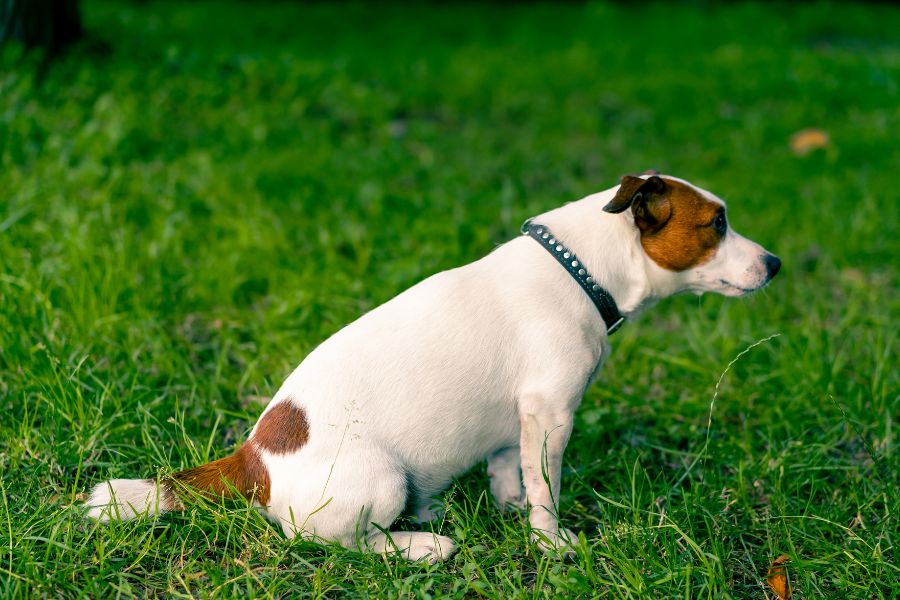
Dog UTI symptoms are often subtle at first, but they can quickly become serious if ignored. A urinary tract infection in dogs can lead to pain, kidney damage, or even life-threatening complications. In this guide, we’ll break down the most dangerous UTI symptoms in dogs, what causes them, and when to seek veterinary care.
What Is a Urinary Tract Infection in Dogs?
A urinary tract infection in dogs occurs when bacteria enter the urinary system, affecting the bladder, urethra, or kidneys. Many pet owners refer to this as a dog bladder infection, which is the most common type of UTI.
UTIs can affect dogs of all ages, but they are more common in:
- Female dogs
- Senior dogs
- Dogs with weakened immune systems
- Dogs with underlying health conditions like diabetes
Early detection of dog urinary infection symptoms is key to preventing complications.
Why Early Detection of Dog UTI Symptoms Matters
Ignoring UTI symptoms in dogs can lead to serious health risks. What starts as a mild infection can progress into:
- Kidney infections
- Bladder stones
- Chronic urinary issues
- Systemic infections
A timely dog diagnostic exam can help identify the infection early and prevent costly treatments later.
5 Dangerous Dog UTI Symptoms You Should Never Ignore
1. Frequent Urination with Little Output
One of the earliest and most common dog UTI symptoms is frequent attempts to urinate, often producing only a few drops.
You may notice your dog:
- Asking to go outside more often
- Squatting repeatedly
- Dribbling urine indoors
This happens because the bladder becomes irritated and inflamed.
2. Blood in the Urine (Hematuria)
Seeing blood in your dog’s urine is a clear red flag. This is one of the most serious UTI symptoms in dogs and requires immediate veterinary attention.
Urine may appear:
- Pink
- Red
- Brownish
Blood indicates inflammation, infection, or even bladder stones.
3. Straining or Pain While Urinating
If your dog is whining, straining, or showing discomfort while urinating, it could indicate a dog bladder infection.
Signs of pain include:
- Crying or whimpering
- Tension in the body
- Prolonged squatting
Painful urination is a strong indicator of dog urinary infection symptoms and should not be ignored.
4. Strong or Foul-Smelling Urine
Healthy dog urine typically has a mild odor. A strong, foul smell can indicate bacteria buildup in the urinary tract.
This symptom is often overlooked but is a key sign of a urinary tract infection in dogs. In some cases, the urine may also appear cloudy.
5. Lethargy, Fever, or Loss of Appetite
Advanced infections can affect your dog’s overall health. When a UTI spreads, it may lead to systemic symptoms such as:
- Low energy or lethargy
- Fever
- Decreased appetite
These signs suggest the infection may be reaching the kidneys, which is a medical emergency.
Common Causes of Dog Urinary Infection Symptoms
Understanding what causes UTI symptoms in dogs can help prevent future infections.
Common causes include:
- Bacterial infections (most common)
- Poor hygiene
- Bladder stones
- Diabetes or immune disorders
- Incomplete bladder emptying
Female dogs are more prone due to their shorter urethra, which makes it easier for bacteria to enter.
How Veterinarians Diagnose a Dog Bladder Infection
A proper dog diagnostic exam is essential for confirming a UTI. Your veterinarian may perform:
- Urinalysis to detect bacteria, blood, and white blood cells
- Urine culture to identify the specific bacteria
- Blood tests to check for underlying conditions
- Imaging (X-rays or ultrasound) if stones are suspected
Accurate diagnosis ensures your dog receives the right treatment.
Treatment Options for Urinary Tract Infections in Dogs
Most cases of urinary tract infection in dogs are treatable with early intervention.
Common treatments include:
- Antibiotics to eliminate bacteria
- Anti-inflammatory medications for pain relief
- Increased water intake to flush the system
- Prescription diets if bladder stones are present
Treatment typically lasts 7 to 14 days, but severe infections may require longer care.
How to Prevent Dog UTI Symptoms
Prevention plays a key role in maintaining your dog’s urinary health.
Practical tips include:
- Ensure constant access to fresh water
- Take your dog out for frequent bathroom breaks
- Maintain proper hygiene, especially for female dogs
- Schedule regular veterinary check-ups
- Address underlying health issues promptly
Preventive care can significantly reduce the risk of recurring dog urinary infection symptoms.
When to See a Veterinarian
You should seek veterinary care immediately if your dog shows:
- Blood in urine
- Difficulty urinating
- Signs of pain
- Lethargy or fever
Delaying care can lead to complications that are harder and more expensive to treat.
Conclusion
Recognizing early dog UTI symptoms can make a critical difference in your pet’s health. From frequent urination to blood in the urine, these warning signs should never be ignored. Prompt diagnosis and treatment help prevent serious complications and ensure your dog recovers quickly.
If you are a dog owner in Port St. Lucie, searching for a trusted veterinary clinic near me, Live with Grace Animal Hospital offers comprehensive exams and compassionate care to diagnose and treat urinary issues effectively. Schedule a visit today to keep your dog healthy and comfortable.
FAQs
Q1: What are the first signs of UTI symptoms in dogs?
Ans: The earliest signs include frequent urination, straining, and small amounts of urine output.
Q2: Can a dog’s UTI go away on its own?
Ans: No, most UTIs require antibiotics. Without treatment, the infection can worsen and spread.
Q3: How long does it take for a dog’s bladder infection to heal?
Ans: Most mild infections improve within 7 to 14 days with proper treatment.
Q4: Are certain dogs more prone to urinary tract infection in dogs?
Ans: Yes, female dogs, senior dogs, and those with diabetes or weak immunity are at higher risk.
Q5: What should I do if I notice blood in my dog’s urine?
Ans: Seek immediate veterinary care, as this is a serious symptom that requires prompt diagnosis.