12457 SW Community Blvd., Port St. Lucie, FL 34987

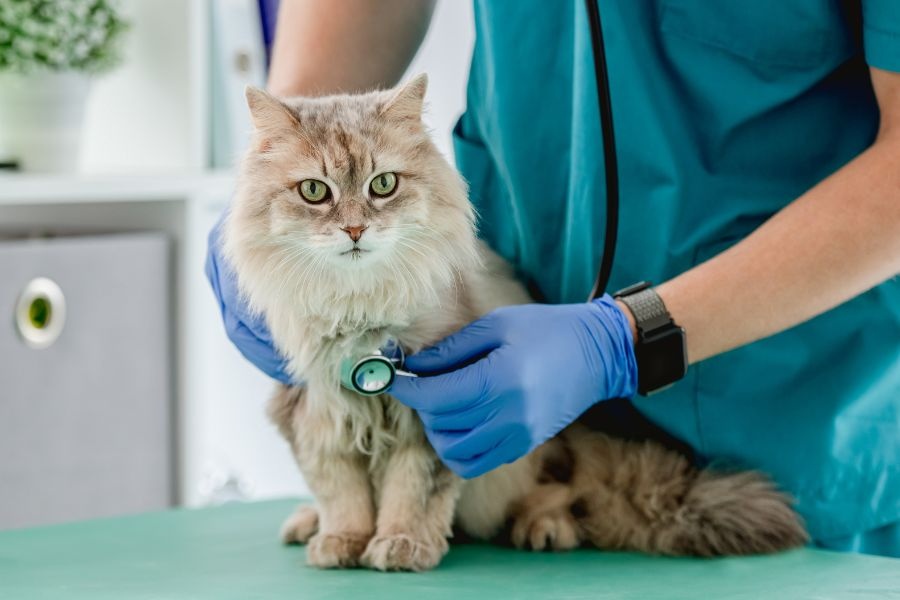
Does your pet hide under the bed when you grab the carrier? You are not alone. Many pet owners skip or delay veterinary care simply because their dog or cat becomes overwhelmed with fear and stress. A fear-free vet visit is not just a word. It is a real, proven approach to helping pets feel safe, calm, and comfortable from the moment they walk through the door. When pets feel less stressed, exams are more thorough, pets are easier to handle, and owners are less likely to avoid scheduling care. The good news is that reducing your pet’s anxiety at the clinic is possible with the right preparation, the right team, and the right mindset. This guide walks you through exactly how to make it happen.
What Is a Fear Free Vet Visit and Why Does It Matter?
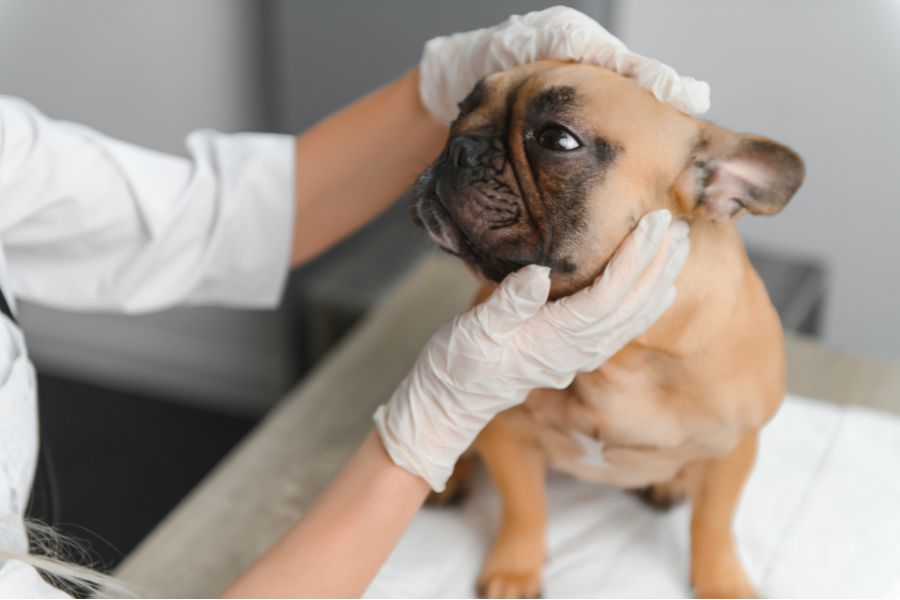
A fear-free vet visit is an approach to veterinary care that prioritizes a pet’s emotional well-being alongside their physical health. It means every part of the experience, from the waiting room to the exam table, is designed to minimize stress, fear, and anxiety.
This matters more than most pet owners realize. Fear and anxiety during vet visits are not just uncomfortable for your pet. They can interfere with accurate exams, raise blood pressure readings, and even cause pets to become defensive or bite. Over time, repeated stressful visits can create long-term negative associations with veterinary care.
According to the American Veterinary Medical Association (AVMA), fear and anxiety in clinical settings are among the top reasons pet owners avoid routine care. Catching health problems early is far easier than treating advanced disease. A calm, low-stress visit makes that possible.
Signs Your Pet May Be Experiencing Vet-Related Anxiety
Not every pet shows distress the same way. Some tremble visibly. Others go completely still. Knowing what to watch for helps you take action early.
- Panting or drooling in the car: This is often the first sign your pet associates the drive with the clinic.
- Refusing to walk through the door: Your pet may plant their feet or try to turn back at the entrance.
- Hiding or pressing against you: A pet that tucks behind your legs is communicating fear, not shyness.
- Growling or snapping during handling: Defensive behavior is almost always rooted in fear, not aggression.
- Refusing to eat treats: This is a key signal. A highly stressed pet will often refuse food entirely, even favorite treats.
Pets that show mild anxiety at home often show much more intense stress once inside the clinic. Recognizing the early signs gives you and your veterinarian a chance to intervene before fear escalates.
How to Reduce Pet Anxiety Before the Appointment
The work of a calm vet visit begins at home, long before you pull into the parking lot. Here are the most effective steps pet owners can take.
- Acclimate your pet to the carrier. Leave it out at home with the door open and a soft blanket inside. Let your pet explore it on their own terms for days or weeks before the appointment.
- Take practice car rides. Drive your pet around without going to the clinic. This breaks the association between the car and the exam room.
- Skip breakfast before the visit. A mildly hungry pet is more motivated by treats, which helps your veterinary team build positive associations during the exam.
- Bring a comfort item. A favorite toy or a piece of your clothing can help reduce pet anxiety vet appointments by providing a familiar scent.
- Stay calm yourself. Pets read our emotions quickly. If you are tense and anxious, your pet will pick up on it immediately.
- Call ahead. Ask your clinic if they offer separate waiting areas for cats and dogs. Avoiding close contact with other animals reduces stress significantly.
Pet owners often tell us that simply practicing carrier time at home made a dramatic difference in how their dog or cat behaved during the actual visit. Small steps at home create big results in the clinic.
What to Expect When You Visit an Animal Hospital
Our vet team at Live with Grace Animal Hospital is trained to create a low-stress environment from the moment you arrive. Here is what a typical stress-free vet appointment looks like with us.
- Calm, quiet check-in. We keep our waiting area low-stimulation and offer separate areas for cats and dogs whenever possible.
- Go-at-your-own-pace greetings. Our team lets your pet sniff, investigate, and warm up before any hands-on examination begins.
- High-value treats throughout the visit. Positive reinforcement is a core part of our approach. Treats make exams feel like a reward, not a punishment.
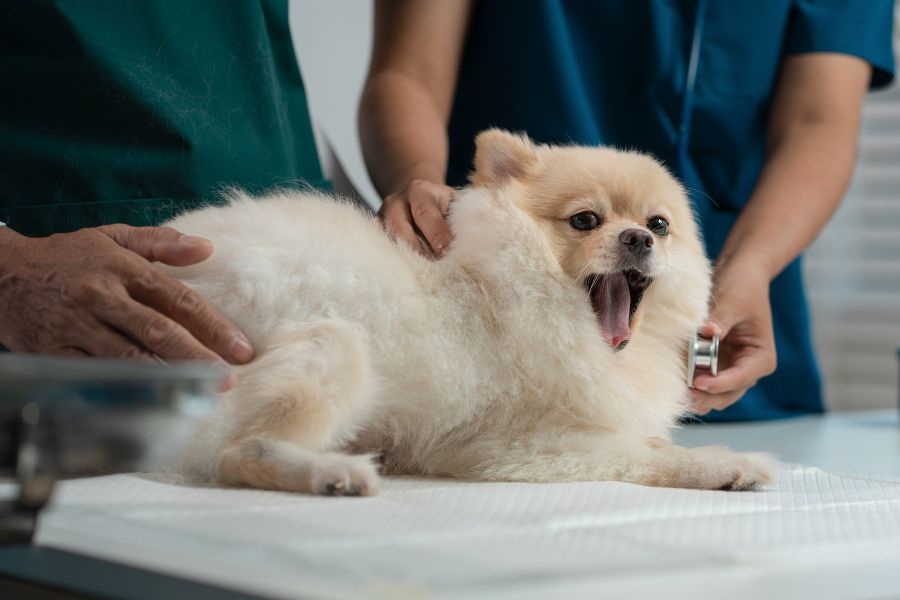
- Gentle, confident handling. Slow, deliberate movements from our staff prevent startling and keep pets calm on the exam table.
- Minimal wait times. We do our best to get you and your pet into the exam room quickly to avoid prolonged stress in shared spaces.
We want your pet to leave feeling better than when they arrived. We believe a calm dog at vet appointments is the result of consistent, compassionate veterinary care, not luck.
Meet Dr. Kelly Rew: Fear Free Care
One of the biggest reasons pet owners in Port St. Lucie trust Live with Grace Animal Hospital is the dedication of our team to Fear Free principles. Dr. Kelly Rew is a valued member of our veterinary team and brings a genuine commitment to reducing fear, anxiety, and stress for every patient. Dr. Rew understands that a pet who feels safe is a pet who can be examined thoroughly, treated effectively, and seen regularly throughout their life. Her approach to handling, communication, and patient care reflects the core values of pet fear-free certified practices, where the emotional experience of the animal is treated as seriously as their physical health.
Conclusion
Every pet deserves to feel safe at the vet. A fear-free vet visit is not just possible. It is the standard of care your pet deserves, and it starts with the right team behind them. When anxiety is reduced, pets get better exams, owners feel less guilt, and veterinary care becomes a positive part of your pet’s life rather than something to dread. At Live with Grace Animal Hospital, we work every day to make that a reality for families across Port St. Lucie. Whether your pet is mildly nervous or has a history of severe clinic stress, we have the tools, training, and compassion to help. Book an appointment today.
Frequently Asked Questions
What does a Fear Free vet visit actually mean?
Ans: A Fear Free vet visit means that the entire clinical experience is designed to reduce stress, fear, and anxiety for your pet. It includes things like gentle handling techniques, calming environments, separate spaces for cats and dogs, and the use of high-value treats to create positive associations with the exam room.
How do I calm my dog at the vet before we even arrive?
Ans: Start well before the appointment. Practice carrier or car rides without going to the clinic. Skip breakfast so your pet is treat-motivated. Bring a comfort item from home. Staying calm yourself is one of the most effective things you can do, since dogs and cats are highly sensitive to their owner’s emotional state.
Can my pet be sedated if they are too anxious for a regular exam?
Ans: Yes. In cases of severe anxiety, your veterinarian may recommend mild sedation or anti-anxiety medications to help your pet remain calm enough for a safe, thorough examination. This is a completely normal and appropriate option for pets with significant fear responses. Ask your vet whether pre-visit medication might be right for your pet.
Is Fear Free certification a real veterinary credential?
Ans: Yes. Fear Free is a formal training and certification program developed by veterinary professionals to address fear, anxiety, and stress in clinical settings. Clinics and individual practitioners can complete coursework and become certified through the Fear Free organization. It represents a genuine, structured approach to patient emotional well-being.
How often should I bring my pet in if they have a history of vet anxiety?
Ans: More frequent, shorter visits can actually help reduce anxiety over time. Wellness visits allow your pet to build positive associations with the clinic without the added stress of illness or injury. Your veterinarian can recommend a visit schedule that supports both your pet’s physical health and emotional comfort.