12457 SW Community Blvd., Port St. Lucie, FL 34987

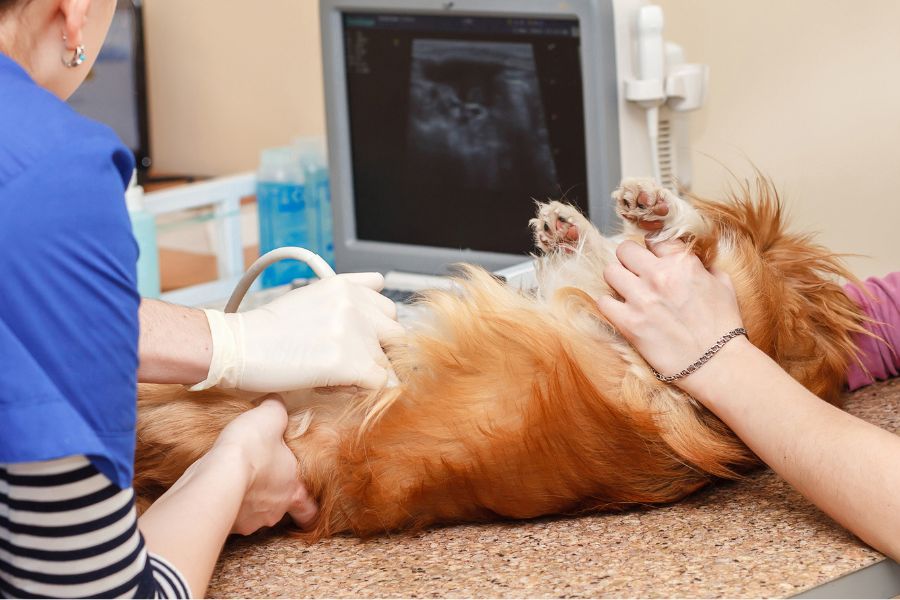
Pets can’t tell us when something feels off, which is why early detection in pets is critical for their health. Hidden health problems often go unnoticed until they become severe, making timely diagnostics essential. Veterinary ultrasound is a non-invasive, highly effective tool that helps identify these issues before they escalate. In this guide, we’ll explore how pet ultrasound works, the conditions it can reveal, and why it’s an important part of comprehensive pet diagnostic care.
What Is a Pet Ultrasound?
A pet ultrasound is a safe imaging technique that uses high-frequency sound waves to create real-time images of a pet’s internal organs. Unlike X-rays, ultrasounds provide detailed information about soft tissues, including the liver, kidneys, bladder, heart, and intestines.
Key Benefits of Ultrasound in Pets:
- Non-invasive and painless
- No radiation exposure
- Provides immediate results
- Helps monitor ongoing health conditions
How Ultrasound Detects Hidden Health Problems in Pets
Many pets may appear healthy externally while harboring underlying health problems. Veterinary ultrasound can uncover these issues early, improving treatment outcomes.
Common Conditions Detected Through Ultrasound:
- Abdominal issues: Liver, kidney, spleen, and intestinal abnormalities
- Heart disease: Structural changes or heart enlargement
- Tumors and cysts: Detects growths before they cause noticeable symptoms
- Pregnancy monitoring: Ensures a safe and healthy pregnancy for pets
- Fluid accumulation: Identifies issues like internal bleeding or fluid in the abdomen
Early detection often allows for less invasive treatments, reducing the risk of complications and improving recovery rates.
Ultrasound for Dogs and Cats
Both dogs and cats benefit from ultrasound diagnostics. While cats are sometimes more sensitive to stress, the procedure is typically well-tolerated with minimal restraint.
Dog vs. Cat Ultrasound:
- Dogs: Commonly used to evaluate abdominal organs, detect heart disease, and screen for cancers
- Cats: Often assessed for kidney disease, thyroid issues, and early detection of tumors
Regular pet abdominal ultrasound screenings can detect subtle changes that are not visible through physical exams alone, ensuring pets stay healthy longer.
The Process of a Pet Ultrasound
The ultrasound process is simple and stress-free:
- Preparation: Pets may need fasting for abdominal scans to improve image clarity.
- Positioning: The pet is gently positioned on the exam table.
- Gel Application: A water-based gel is applied to the skin to help transmit sound waves.
- Imaging: The veterinarian moves a handheld device (transducer) over the area of interest to capture images.
- Interpretation: Results are reviewed in real-time, allowing for immediate insights into potential health issues.
Most ultrasounds take 15–45 minutes, depending on the area being examined.
Advantages of Early Disease Detection in Pets
Detecting health problems early can save lives and reduce long-term veterinary costs. Early disease detection in pets offers several advantages:
- Improved treatment success: Early intervention often means simpler treatments.
- Reduced stress and discomfort: Pets avoid advanced disease complications.
- Better quality of life: Timely care allows pets to maintain activity levels and energy.
- Cost savings: Prevents expensive emergency treatments caused by undetected health problems.
Choosing the Right Veterinary Ultrasound Services
When selecting a facility for pet diagnostic care, consider the following:
- Experienced veterinarians: Look for trained professionals in ultrasound diagnostics.
- Advanced equipment: High-resolution imaging ensures accurate results.
- Comfortable environment: Minimizes stress for pets during the procedure.
- Comprehensive care: Ultrasound should be part of an overall health assessment plan.
Signs Your Pet May Need an Ultrasound
Even if your pet appears healthy, certain signs may indicate the need for early detection in pets:
- Unexplained weight loss or gain
- Vomiting or diarrhea
- Lethargy or decreased activity
- Changes in appetite or drinking habits
- Abdominal swelling or discomfort
If you notice these signs, an ultrasound can reveal hidden conditions before they worsen.
Integrating Ultrasound Into Routine Pet Care
Incorporating veterinary ultrasound into routine check-ups enhances preventive care. Pets with chronic conditions, older animals, or breeds prone to specific health problems benefit the most from regular screenings.
Recommended Routine Ultrasound Uses:
- Annual wellness exams for senior pets
- Pre-surgical evaluations
- Monitoring known health issues such as liver or kidney disease
- Pregnancy confirmation and monitoring
Veterinary ultrasound is a vital tool for detecting hidden health problems in pets early. By enabling timely diagnosis and intervention, ultrasounds improve treatment outcomes, enhance pet quality of life, and reduce long-term health risks. If you are conveniently located in Port St. Lucie and searching for the best pet diagnostic care, Live with Grace Animal Hospital is the right choice for compassionate, advanced, and reliable care.
FAQs
Q1: What is the difference between X-rays and ultrasound for pets?
Ans: Ultrasound uses sound waves to view soft tissues, while X-rays show bones. Ultrasound detects hidden organ problems earlier.
Q2: Are ultrasounds safe for pets?
Ans: Yes, veterinary ultrasounds are non-invasive, painless, and involve no radiation, making them safe for dogs and cats.
Q3: How often should pets get an ultrasound?
Ans: Frequency depends on age, breed, and health status, but annual checks are recommended for older or at-risk pets.
Q4: Can ultrasound detect cancer in pets?
Ans: Yes, ultrasounds can identify tumors, cysts, and abnormal tissue growth before they cause noticeable symptoms.
Q5: Do pets need sedation for an ultrasound?
Ans: Most pets remain calm without sedation, though anxious or older animals may require mild sedation for comfort.