12457 SW Community Blvd., Port St. Lucie, FL 34987

If your dog is limping, slowing down, or struggling to walk comfortably, canine rehabilitation therapy can make a world of difference. This gentle, targeted approach helps improve mobility, reduce pain, and support faster recovery from injuries. In this guide, we’ll explain how dog limping treatment, physical therapy techniques, and strengthening exercises can restore your pet’s comfort and confidence.
Why Is My Dog Limping or Struggling to Walk?
Dogs may limp or show stiffness for many reasons, ranging from minor sprains to chronic joint conditions. Understanding the cause is the first step to choosing the right treatment.
Common Reasons Behind Limping or Mobility Issues
- Soft tissue injuries (sprains, strains, pulled muscles)
- Arthritis and joint degeneration in older dogs
- Hip dysplasia or elbow dysplasia
- Neurological conditions
- Post-surgical discomfort
- Paw injuries (cuts, thorns, cracked pads)
Ignoring early signs can prolong pain or worsen the injury. A quick exam helps determine whether your pet needs rest, medication, or canine rehabilitation therapy for full recovery.
What Is Canine Rehabilitation Therapy?
Canine rehabilitation is similar to physical therapy for humans. It focuses on restoring strength, mobility, and comfort using controlled and science-backed techniques.
Benefits of Rehabilitation for Dogs
- Reduces inflammation and chronic pain
- Rebuilds muscle strength after injury
- Improves joint function and flexibility
- Helps senior dogs stay active longer
- Supports smoother, faster post-surgical recovery
- Aids in regaining balance and coordination
Rehab is ideal for dogs with arthritis, limb injuries, mobility issues, neurological conditions, or those recovering from orthopedic surgery.
How Canine Rehabilitation Helps With Dog Limping Treatment
When a dog is limping or struggling to walk, targeted therapy strengthens weak muscles, increases circulation, and reduces tension or inflammation.
Key Components of Limping Treatment Through Rehab
- Strength training: Restores balance and stability.
- Pain-relief therapies: Cold laser therapy, massage, and joint mobilization.
- Hydrotherapy: Warm-water treadmill reduces weight-bearing stress.
- Flexibility exercises: Reduce stiffness and improve stride.
- Gait training: Helps dogs relearn normal walking patterns.
These therapies speed up dog leg injury recovery time and prevent future strain.
Types of Dog Physical Therapy Near Me You May Find
1. Underwater Treadmill (Hydrotherapy)
Warm, buoyant water supports the dog’s weight, reduces joint pressure, and encourages safe movement. It’s perfect for arthritis, hip dysplasia, and post-surgical recovery.
2. Therapeutic Exercises
Custom exercises like sit-to-stand, balance boards, or controlled leash walks strengthen leg and core muscles while improving joint flexibility.
3. Manual Therapy & Massage
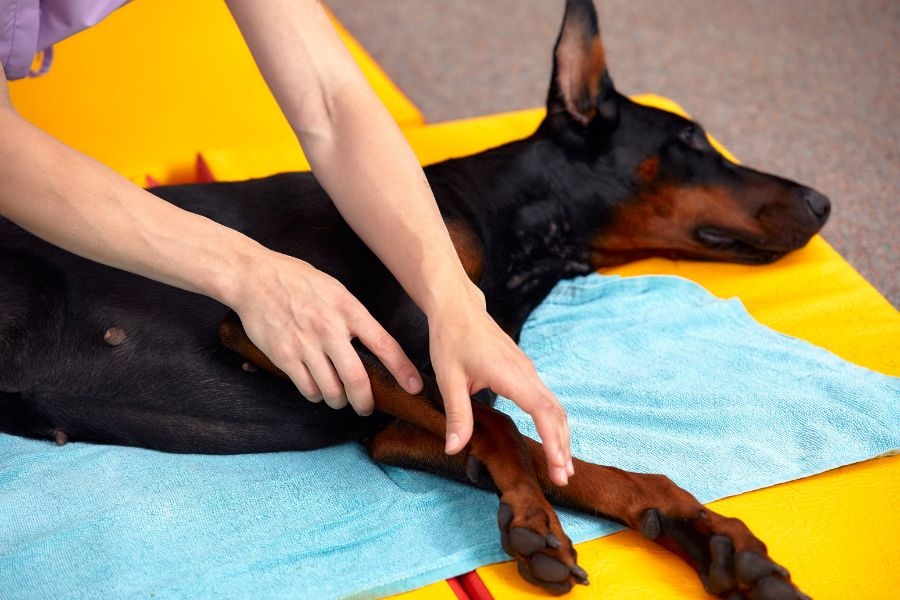
Gentle joint mobilizations and muscle massage reduce stiffness, increase blood flow, and ease pain.
4. Laser Therapy
Cold laser therapy reduces inflammation, promotes cell healing, and shortens recovery time from ligament or tendon injuries.
5. Neuromuscular Stimulation
Electrical stimulation activates weakened muscles and improves tolerance to exercise.
Best Exercises for Dogs With Joint Pain
Low-impact, consistent exercises help manage chronic joint issues and improve quality of life.
Top Joint-Friendly Exercises
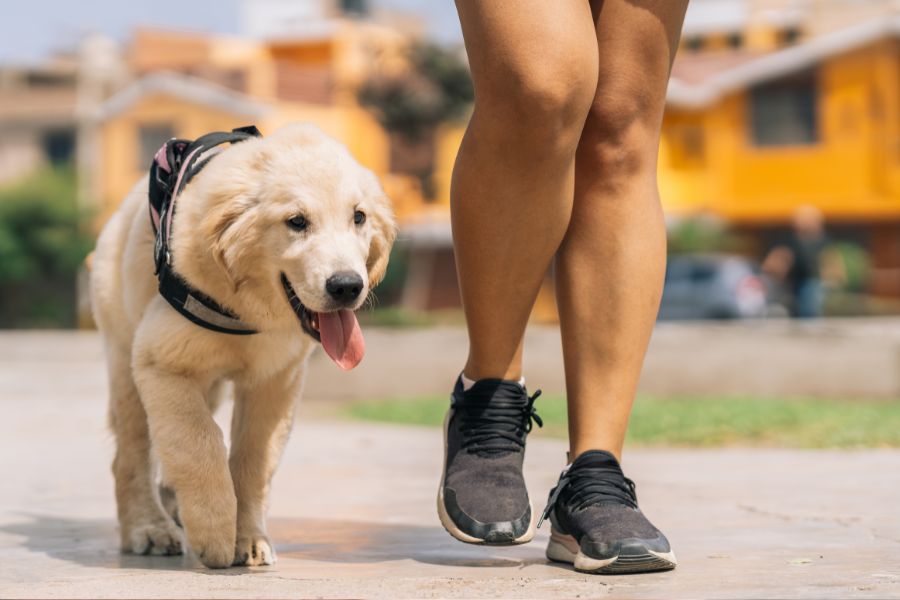
- Slow leash walks on grass or flat surfaces
- Sit-to-stand repetitions for strength
- Cavaletti poles to improve stride and balance
- Gentle swimming or hydrotherapy
- Figure-eight walking patterns to improve flexibility
- Rear-leg strengthening on soft surfaces
Always ask your vet or rehab therapist before starting a home program.
What to Expect During Your Dog’s Rehab Sessions
A rehabilitation plan is customized to your dog’s condition, age, and mobility level. Here’s what typically happens:
- Initial evaluation: Gait analysis, mobility assessment, and pain scoring.
- Goal-setting: Improve mobility? Recover from surgery? Reduce pain?
- Therapy plan creation: Digital or printed exercise programs tailored to your pet.
- Hands-on sessions: Strength training, massage, stretching, treadmill work.
- Home-care guidance: Ways to support progress at home with safe exercises.
Most dogs enjoy therapy — many even feel relaxed or energized afterward.
Dog Leg Injury Recovery Time — What’s Normal?
Recovery times vary depending on the type of injury:
- Mild soft-tissue injury: 2–4 weeks
- Moderate injury: 4–8 weeks
- Ligament or tendon injury: 2–6 months
- Post-orthopedic surgery: 8–12 weeks
Rehabilitation shortens healing time and helps prevent re-injury by improving strength and movement patterns.
When to Seek Vet Care
Call your nearest veterinarian if you notice any of these signs:
- Limping lasting more than 24 hours
- Difficulty rising or climbing stairs
- Reluctance to jump or play
- Swelling of a leg or joint
- Sudden severe pain
- Change in posture or stance
- Dragging feet or unsteady movement
Canine rehabilitation therapy offers a safe, proven way to help dogs move better, heal faster, and enjoy life without unnecessary pain. Whether your dog is recovering from surgery, struggling with arthritis, or suddenly limping, targeted therapy plays a powerful role in restoring comfort and mobility.
If you are conveniently located in Port St. Lucie, FL, and searching for the best animal hospital near me, Live with Grace Animal Hospital is the right choice for compassionate, advanced, and reliable pet care.
FAQs
Q1: What is the best treatment for a dog that suddenly starts limping?
Ans: Sudden limping should be evaluated by a veterinarian to rule out fractures or ligament injuries. Rest, anti-inflammatory medication, and canine rehabilitation therapy help reduce pain and improve mobility.
Q2: How long does canine rehabilitation therapy take to show results?
Ans: Most dogs begin showing improvement within 2–4 sessions. Chronic conditions or post-surgical cases may need a longer treatment plan for full mobility restoration.
Q3: Can physical therapy help senior dogs who struggle to walk?
Ans: Yes. Physical therapy improves strength, reduces joint stiffness, and enhances balance—making it extremely beneficial for aging dogs with arthritis or limited mobility.
Q4: Is hydrotherapy safe for dogs with joint pain or arthritis?
Ans: Hydrotherapy is one of the safest and most effective options for joint pain. Warm water reduces pressure on joints while encouraging gentle movement and muscle strengthening.
Q5: What exercises are recommended for dogs with chronic joint issues?
Ans: Low-impact exercises like controlled leash walks, sit-to-stand drills, underwater treadmill sessions, and balance exercises support joint health and improve mobility.