12457 SW Community Blvd., Port St. Lucie, FL 34987

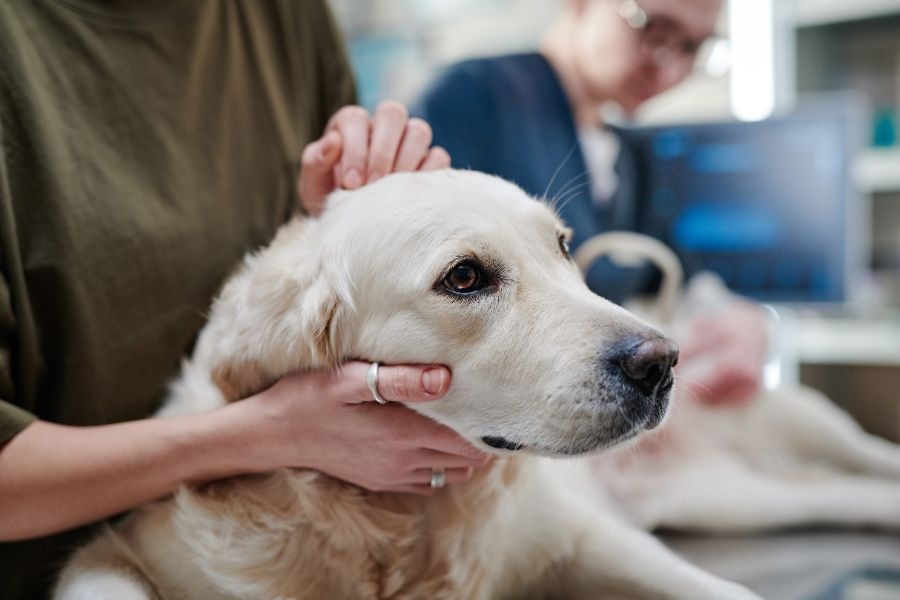
Ensuring the right veterinary care for dogs is one of the most important responsibilities of any pet owner. Regular checkups not only prevent diseases but also help detect hidden health issues early. In this guide, we’ll walk you through 10 essential dog vet checkup appointments every owner should schedule to keep their dog healthy and happy.
Why Regular Veterinary Care for Dogs Matters
Routine dog wellness exams are not just about vaccines—they’re comprehensive health evaluations. Dogs age faster than humans, meaning health problems can develop quickly without noticeable symptoms.
Key benefits of regular diagnostic care for dogs include:
- Early detection of illnesses
- Prevention of chronic diseases
- Better quality of life
- Reduced long-term medical costs
In a warm climate, pets are also more exposed to parasites and heat-related conditions, making routine vet visits even more essential.
1. Annual Dog Wellness Exam
A yearly dog wellness exam is the foundation of proper veterinary care for dogs. During this visit, your vet evaluates your dog from nose to tail.
What’s included:
- Weight and body condition check
- Heart and lung examination
- Skin and coat evaluation
- Behavioral assessment
For puppies and senior dogs, these exams may be recommended more frequently.
2. Vaccination Checkups
Vaccines protect your dog from life-threatening diseases like rabies, parvovirus, and distemper.
Core vaccines typically include:
- Rabies
- Distemper
- Parvovirus
- Adenovirus
Non-core vaccines may be recommended based on your dog’s lifestyle, and exposure risks can vary.
3. Parasite Prevention Screening
Florida’s climate creates a perfect environment for parasites. Regular screening is a critical part of diagnostic care for dogs.
Your vet may check for:
- Heartworms
- Fleas and ticks
- Intestinal parasites
Preventive medications are often prescribed year-round to keep your dog protected.
4. Dental Health Checkup
Dental disease is one of the most common yet overlooked issues in dogs. A routine dog vet checkup should always include an oral exam.
Signs your dog may need dental care:
- Bad breath
- Yellow or brown teeth
- Difficulty eating
Professional cleaning may be recommended to prevent gum disease and tooth loss.
5. Blood Work and Lab Testing
Even if your dog looks healthy, internal issues can go unnoticed. Blood tests are a key component of diagnostic care for dogs.
These tests help detect:
- Liver and kidney disease
- Diabetes
- Infections
For older dogs, vets often recommend annual or biannual blood work.
6. Weight and Nutrition Evaluation
Obesity is a growing problem among pets. During a dog wellness exam, your vet will assess your dog’s weight and diet.
Nutritional guidance may include:
- Portion control
- High-quality dog food recommendations
- Special diets for medical conditions
Maintaining a healthy weight can significantly extend your dog’s lifespan.
7. Joint and Mobility Assessment
As dogs age, joint issues like arthritis become more common. Regular mobility checks are essential for early detection.
Your vet will evaluate:
- Gait and movement
- Joint flexibility
- Signs of pain or stiffness
Early treatment can improve comfort and mobility for your dog.
8. Skin and Allergy Testing
Skin conditions are common in humid areas. Allergies, infections, and hot spots can develop quickly.
Your vet may check for:
- Redness or irritation
- Hair loss
- Excessive scratching
Treatment plans may include medications, dietary changes, or allergy testing.
9. Senior Dog Health Screening
Senior dogs require more frequent and detailed veterinary care. Typically, dogs are considered seniors around age 7.
Additional screenings may include:
- Advanced blood panels
- Urinalysis
- X-rays
These tests help catch age-related diseases early.
10. Behavioral and Mental Health Evaluation
Behavioral health is often overlooked, but equally important. Anxiety, aggression, or changes in behavior can signal underlying health issues.
Your vet may discuss:
- Changes in activity level
- Sleep patterns
- Social behavior
Addressing these concerns early improves both your dog’s and your family’s quality of life.
How Often Should You Schedule a Dog Vet Checkup?
The frequency of dog vet checkup visits depends on your dog’s age and health:
- Puppies: Every 3–4 weeks until 16 weeks old
- Adult dogs: Once a year
- Senior dogs: Every 6 months
Consistent visits ensure your dog receives proper diagnostic care for dogs at every life stage.
Dogs’ Veterinary Care Near you
Pet owners in Port St. Lucie face unique challenges due to the warm, humid climate. Fleas, ticks, and heartworms are prevalent year-round, making preventive care essential.
At Live with Grace Animal Hospital, pet owners in Port St. Lucie have access to comprehensive dog wellness exams and advanced diagnostic services tailored to local conditions. Choosing a trusted local veterinarian ensures your dog receives care suited to the environment.
Conclusion
Providing the right veterinary care for dogs means staying proactive with regular checkups and preventive care. From annual dog wellness exams to specialized screenings, each visit plays a crucial role in your dog’s long-term health.
By scheduling these 10 essential dog vet checkup appointments, you can detect problems early, prevent serious illnesses, and give your dog the best possible life.
If your dog is due for a checkup, now is the perfect time to book an appointment at Live with Grace Animal Hospital and ensure they receive expert diagnostic care for dogs in Port St. Lucie.
FAQs
Q1: How often should my dog have a wellness exam?
Ans: Dogs should have a dog wellness exam at least once a year, while senior dogs may need checkups every six months for better monitoring.
Q2: What happens during a dog vet checkup?
Ans: A dog vet checkup includes a physical exam, weight check, vaccinations, and sometimes lab tests to evaluate your dog’s overall health.
Q3: Why is diagnostic care for dogs important?
Ans: Diagnostic care helps detect dogs’ hidden illnesses early, allowing for timely treatment and preventing serious health complications.
Q4: Are dental checkups necessary for dogs?
Ans: Yes, dental exams are essential as untreated dental disease can lead to pain, infections, and even organ damage over time.
Q5: What vaccines does my dog need annually?
Ans: Core vaccines like rabies and distemper are essential, while others depend on your dog’s lifestyle.