12457 SW Community Blvd., Port St. Lucie, FL 34987

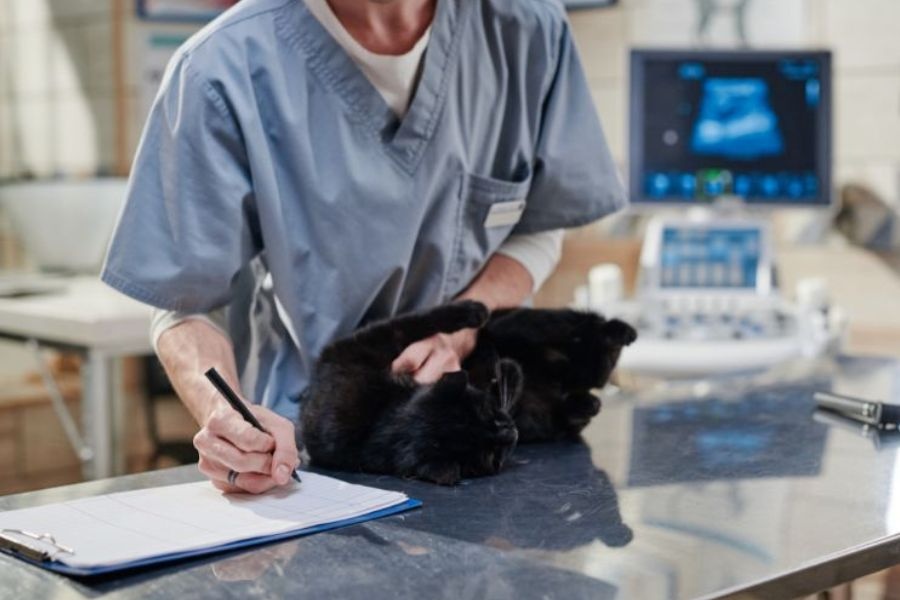
If your vet has recommended imaging for your pet, you may have questions. What exactly happens during a pet ultrasound exam? Is it painful? What will it show? These are completely normal things to wonder about. Ultrasound is one of the most valuable diagnostic tools available in modern veterinary medicine. It gives your vet a real-time, detailed look inside your pet’s body without surgery or radiation. Whether your dog has been vomiting unexpectedly or your cat seems lethargic without explanation, an ultrasound can help identify the cause quickly. In this article, we’ll walk you through what a pet ultrasound exam involves, which conditions it helps diagnose, and when your vet is most likely to recommend one. Understanding this tool helps you feel confident and prepared when your pet needs it most.
What Is a Pet Ultrasound Exam?
A pet ultrasound exam is a non-invasive imaging procedure that uses sound waves to produce images of your pet’s internal organs. Those sound waves bounce off tissues and organs, creating a live picture on a monitor. Your vet can see the movement, texture, size, and shape of organs in real time.
Unlike X-rays, ultrasound does not use radiation. It is completely safe for pets of all ages, including puppies, kittens, and senior animals. Veterinary diagnostic imaging has advanced significantly in recent years, and ultrasound is now considered a standard part of thorough medical care.
Ultrasound is especially effective for evaluating soft tissue structures. These include the liver, kidneys, spleen, bladder, gallbladder, adrenal glands, and reproductive organs. X-rays are better suited for bones and lungs, so vets often use both tools together to get a complete picture.
Studies suggest that ultrasound imaging helps vets detect internal abnormalities that would otherwise require exploratory surgery to find. That means faster answers and less stress for your pet.
Signs Your Pet May Need an Ultrasound
Your vet will not always order an ultrasound at a routine wellness visit. Certain signs and symptoms prompt a closer look. Here are the most common reasons a vet recommends this test:
- Unexplained vomiting or diarrhea: If your pet has digestive issues that do not resolve with basic treatment, an ultrasound can check for blockages, masses, or organ problems.
- Abnormal bloodwork: Elevated liver enzymes or kidney values on lab results often prompt imaging to see what is happening inside those organs.
- Weight loss without a clear cause: Sudden or gradual unexplained weight loss can signal organ disease, tumors, or gastrointestinal issues.
- A palpable lump in the abdomen: If your vet feels something unusual during a physical exam, an ultrasound helps identify what it is and where it comes from.
- Increased drinking or urination: These can be signs of kidney disease, diabetes, or adrenal conditions that show up clearly on imaging.
- Reproductive concerns: For intact females, ultrasound is used to check for uterine infections, pregnancy, or ovarian cysts.
In our experience, many pet owners are surprised when bloodwork comes back abnormal, but their pet seems fine on the outside. Ultrasound fills that gap and gives us the internal view we need to make a confident diagnosis.
What to Expect During an Ultrasound Procedure
One of the most common questions we get from pet owners is whether the ultrasound will hurt their animal. The good news is that the procedure is painless and typically very well tolerated. Here is what the process looks like step by step:
- Preparation: Depending on the area being examined, your pet may need to fast for several hours beforehand. For a pet abdominal ultrasound, food in the stomach can obstruct the view of nearby organs.
- Hair clipping: A small area of fur is gently clipped to allow the ultrasound probe to make direct contact with the skin. This is temporary and grows back quickly.
- Gel application: A warm, water-based gel is applied to your pet’s skin. This helps conduct the sound waves clearly.
- Scanning: Your vet or a trained technician moves a handheld probe across the surface of your pet’s body. Most pets lie calmly on their side during this process.
- Image review: The images are evaluated in real time and reviewed carefully for any abnormalities.
- Results discussion: After the scan, your vet will walk you through what was found and recommend next steps if needed.
When Does Your Vet Recommend Ultrasound Over Other Tests?
Understanding when your vet recommends an ultrasound helps you avoid confusion when your vet presents a diagnostic plan. Vets choose ultrasound over other imaging tools based on what they are looking for.
X-rays show solid structures like bones and help identify fluid in the chest. Ultrasound is better for visualizing the inside of organs, identifying masses, and guiding needle biopsies. Blood and urine tests tell your vet what is happening chemically in the body. Ultrasound shows what is happening physically.
Your vet may recommend an ultrasound as a first step when bloodwork is abnormal, or as a follow-up after X-rays reveal something that needs a closer look. In some cases, both are done on the same visit for a complete diagnostic picture.
The American Veterinary Medical Association (AVMA) supports the use of advanced diagnostic imaging as part of evidence-based veterinary care. Ultrasound is one of the safest, most informative tools available.
In Florida, where pets are often exposed to heat, humidity, and outdoor environments year-round, we see higher rates of certain conditions like urinary issues, tick-borne illness, and gastrointestinal problems. Veterinary diagnostic imaging helps us get answers faster when symptoms are vague or progressing quickly.
How to Prepare Your Pet for an Ultrasound Appointment
A little preparation at home goes a long way. Here is what pet owners in Port St. Lucie can do before the appointment:
- Follow fasting instructions: If your vet requests fasting, stick to it. Food in the abdomen reduces image clarity significantly.
- Keep your pet calm: A relaxed pet is easier to scan. A short, calm walk before the appointment can help settle anxious dogs.
- Hold off on water if advised: For a pet abdominal ultrasound targeting the bladder, your vet may ask you to keep your pet’s bladder full by limiting urination beforehand.
- Bring your pet’s records: If imaging was done elsewhere previously, bring those records so your vet can compare findings.
- Ask your questions: There is no such thing as a question that is too small. Your vet team wants you to feel confident and informed.
Conclusion
A pet ultrasound exam is one of the most effective ways to understand what is happening inside your pet’s body without invasive procedures. It is safe, painless, and provides real-time information that guides better treatment decisions. Whether your pet has ongoing symptoms, abnormal lab results, or something your vet felt during a physical exam, an ultrasound helps answer the hard questions quickly. Pet owners throughout Port St. Lucie trust Live with Grace Animal Hospital for compassionate, thorough diagnostic care. Our team is here to walk you through every step and make sure your pet gets the right answers as fast as possible. If your vet has recommended imaging or you are concerned about your pet’s health, do not wait. Book an appointment today.
Frequently Asked Questions
Is a pet ultrasound safe for my dog or cat?
Ans: Yes. Ultrasound uses sound waves, not radiation, making it completely safe for pets of all ages. It is non-invasive and causes no pain or discomfort during the procedure.
Does my pet need to be sedated for an ultrasound?
Ans: Most pets do not require sedation. The procedure is calm and painless. In rare cases where a pet is extremely anxious or in significant pain, mild sedation may be used to ensure a clear, accurate scan.
How long does a pet ultrasound take?
Ans: Most ultrasound appointments take between 30 and 60 minutes. This includes preparation, the scan itself, and a brief review of initial findings with your veterinarian.
What conditions can a pet ultrasound detect?
Ans: Ultrasound can detect liver, kidney, and spleen abnormalities, bladder stones, masses or tumors, uterine infections, pregnancy, gastrointestinal blockages, adrenal gland issues, and more.
How much does a pet ultrasound cost?
Ans: Cost varies depending on the area being imaged and your pet’s specific needs. Contact your veterinary clinic directly for current pricing. Many clinics offer payment plans or financing to help make diagnostics more accessible.
