12457 SW Community Blvd., Port St. Lucie, FL 34987

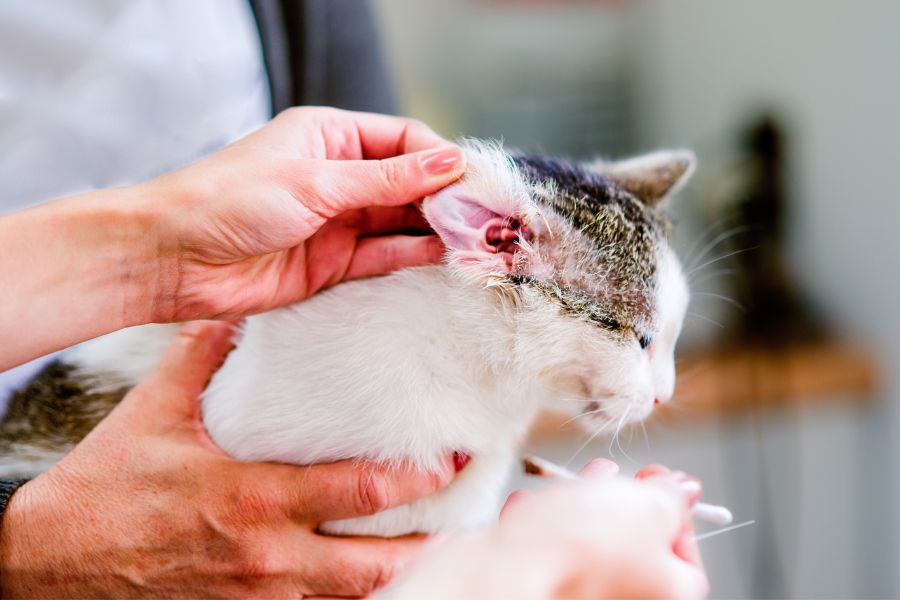
Ear cleaning for pets is an essential part of their overall hygiene and wellness routine. Whether you have a playful puppy or a curious cat, regular ear care can help prevent ear infections, discomfort, and hearing issues. In this complete guide, you’ll learn how to clean your dog’s or cat’s ears safely at home using vet-approved techniques, what products to use, and when to call your veterinarian for help.
Why Ear Cleaning for Pets Matters
Your pet’s ears are delicate structures that require regular attention. Dirt, wax buildup, moisture, or allergies can make the ear canal an ideal breeding ground for bacteria and yeast. Without proper ear cleaning, pets may develop infections that cause itching, pain, or even hearing loss.
Signs your pet needs an ear cleaning include:
- Scratching or rubbing the ears frequently
- Head shaking or tilting
- Visible dirt, debris, or wax
- Foul odor or discharge from the ears
- Sensitivity when touching the ear area
Routine pet ear care not only helps maintain hygiene but also allows you to detect early signs of ear problems before they worsen.
How to Clean Dog Ears Safely at Home
Ear cleaning for dogs can be easy and stress-free if done correctly. Follow these vet-approved dog ear wax removal tips to keep your pup’s ears healthy:
Step 1: Gather Your Supplies
You’ll need:
- A vet-approved ear cleaner (never use alcohol or hydrogen peroxide)
- Cotton balls or soft gauze pads
- Treats to reward your dog afterward
Step 2: Get Your Dog Comfortable
Choose a calm environment and have your dog sit or lie down. Gently pet them to make the process relaxing.
Step 3: Apply the Ear Cleaner
Lift your dog’s ear flap and carefully squeeze the cleaning solution into the ear canal. Massage the base of the ear for 20–30 seconds to loosen debris and wax.
Step 4: Let Your Dog Shake
Allow your dog to shake their head—this helps expel excess fluid and dirt.
Step 5: Wipe and Dry
Use a cotton ball to gently wipe away loosened debris. Avoid inserting cotton swabs into the ear canal as they can push dirt deeper or cause injury.
Pro Tip: Clean your dog’s ears once every 2–4 weeks, or more often if recommended by your veterinarian, especially for floppy-eared breeds like Cocker Spaniels or Basset Hounds.
Cat Ear Cleaning: A Gentle Approach
Cats tend to groom themselves well, but cat ear cleaning may still be necessary—especially if your cat has oily ears, allergies, or outdoor exposure.
Step 1: Prepare the Supplies
Have a pet-safe ear cleaning solution, cotton pads, and treats ready.
Step 2: Restrain Gently
Wrap your cat in a soft towel if needed to prevent scratching.
Step 3: Apply the Cleaner
Place a few drops of cleaner into the ear canal. Massage the base of the ear to distribute the solution.
Step 4: Wipe the Outer Ear
Use a cotton pad to gently remove wax or dirt from the visible parts of the ear. Never insert anything deep into the canal.
Cats may be less tolerant of ear cleaning, so keep sessions short and positive.
Common Mistakes to Avoid When Cleaning Pet Ears
To ensure safe and effective pet ear care, avoid these common errors:
- Using human ear products: They can irritate sensitive pet ears.
- Over-cleaning: Too-frequent cleaning can strip protective oils and cause irritation.
- Skipping veterinary advice: Chronic ear issues may require prescription treatments.
- Ignoring warning signs: Persistent redness, odor, or discharge can indicate infection.
How to Prevent Ear Infections in Pets
Prevention is the best way to keep your pet’s ears healthy and pain-free.
Follow these steps:
- Regular Inspections: Check your pet’s ears weekly for signs of redness or buildup.
- Keep Ears Dry: Dry your pet’s ears thoroughly after baths or swimming.
- Manage Allergies: Allergies can lead to excess earwax or inflammation—talk to your vet about solutions.
- Maintain Grooming: Trim hair around ears to promote airflow, especially for long-haired breeds.
- Routine Vet Visits: Schedule checkups for professional ear examinations and cleaning guidance.
When to See a Veterinarian
Sometimes, professional help is necessary. Seek veterinary care if your pet:
- Shakes or scratches excessively
- Has swelling, redness, or a foul odor
- Cries out or resists ear touch
- Has dark, coffee-ground-like debris (a sign of ear mites)
A vet can diagnose and treat infections, prescribe medicated drops, and show you proper cleaning techniques.
Vet-Approved Ear Cleaning for Pets
Not all ear cleaners are created equal. Always choose vet-approved ear cleaning solutions designed for your pet’s species. Avoid harsh chemicals or alcohol-based products.
Recommended features to look for:
- pH-balanced and gentle formulas
- Antimicrobial or antifungal properties
- Non-stinging ingredients suitable for sensitive skin
If you’re unsure which cleaner is best, ask your veterinarian in Port St. Lucie, FL, for personalized recommendations.
Ear Cleaning Frequency: How Often Is Too Often?
Cleaning too frequently can lead to irritation, while neglecting ear hygiene can cause infections.
General guidelines:
- Dogs: Every 2–4 weeks, depending on breed and activity level
- Cats: Once a month or as needed
- Pets with chronic ear issues: As directed by your veterinarian
Regular ear cleaning is a simple yet powerful way to keep your pet comfortable and healthy. By following these step-by-step pet ear care tips, you can prevent painful infections, manage wax buildup, and ensure your furry companion enjoys excellent hearing and comfort.
If you are conveniently located in Port St. Lucie, FL and searching for the best animal hospital near me, Live with Grace Animal Hospital is the right choice for compassionate, advanced, and reliable pet care.
FAQs:
Q1: How often should I clean my dog’s ears?
Ans: Most dogs benefit from ear cleaning every 2–4 weeks, but dogs with floppy ears or allergies may need more frequent cleanings.
Q2: Can I use baby wipes or hydrogen peroxide to clean my pet’s ears?
Ans: No, these can irritate your pet’s ears. Always use a vet-approved ear cleaner made specifically for pets.
Q3: What causes ear infections in pets?
Ans: Common causes include moisture buildup, allergies, excessive wax, parasites, and foreign debris.
Q4: How do I know if my cat has an ear infection?
Ans: Signs include head shaking, ear scratching, foul odor, or discharge. Seek veterinary attention promptly.
Q5: Should I clean my pet’s ears before or after a bath?
Ans: It’s best to clean ears after bathing to remove any trapped moisture and prevent infections.