12457 SW Community Blvd., Port St. Lucie, FL 34987

Bringing home a new pet is one of the most rewarding things you can do. Getting the right veterinary care for first-time pet owners starts long before anything goes wrong. A solid care plan, the right vaccine schedule, and a trusted local vet give your pet the strongest possible foundation for a long, healthy life. Many new pet owners feel unsure about what appointments to schedule, what questions to ask, and what to expect at early vet visits. That uncertainty is completely normal. This guide walks you through everything, from your pet’s first exam and core vaccines to Florida-specific health risks and how to build a lasting relationship with your veterinary team. By the time you finish reading, you will know exactly what to do next.
What Does Routine Veterinary Care Include?
Routine veterinary care is the foundation of your pet’s long-term health. It includes regular physical exams, vaccinations, parasite prevention, dental checkups, and nutritional guidance tailored to your pet’s age, breed, and lifestyle. These appointments are not just for sick pets. They are how healthy pets stay healthy.
Studies consistently show that pets who receive annual or biannual wellness exams live significantly longer than pets seen only during illness. Early detection of conditions like heart disease, kidney disease, dental infections, and obesity makes treatment simpler, less invasive, and far less costly than addressing advanced disease.
Pet owners often tell us they were shocked to learn their seemingly healthy pet had a detectable health issue at a routine exam. Conditions caught at a wellness visit, before symptoms appear, are almost always easier to manage. That is the core value of preventive care.
What Happens at Your Pet’s First Wellness Exam?
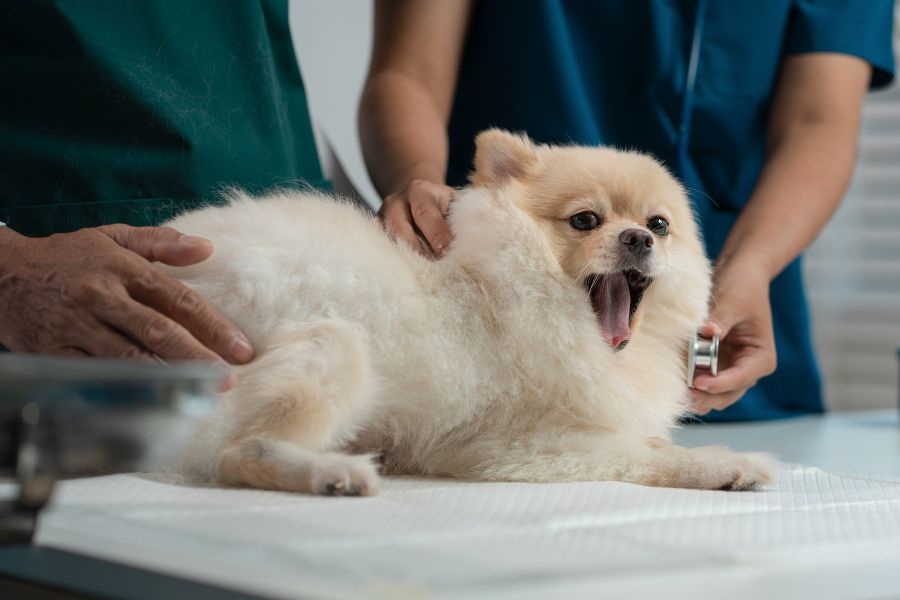
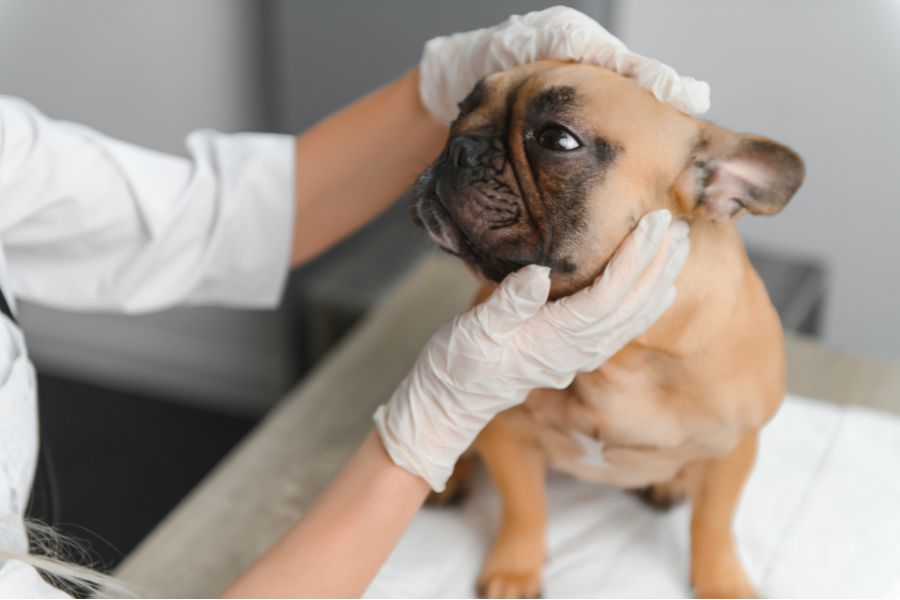
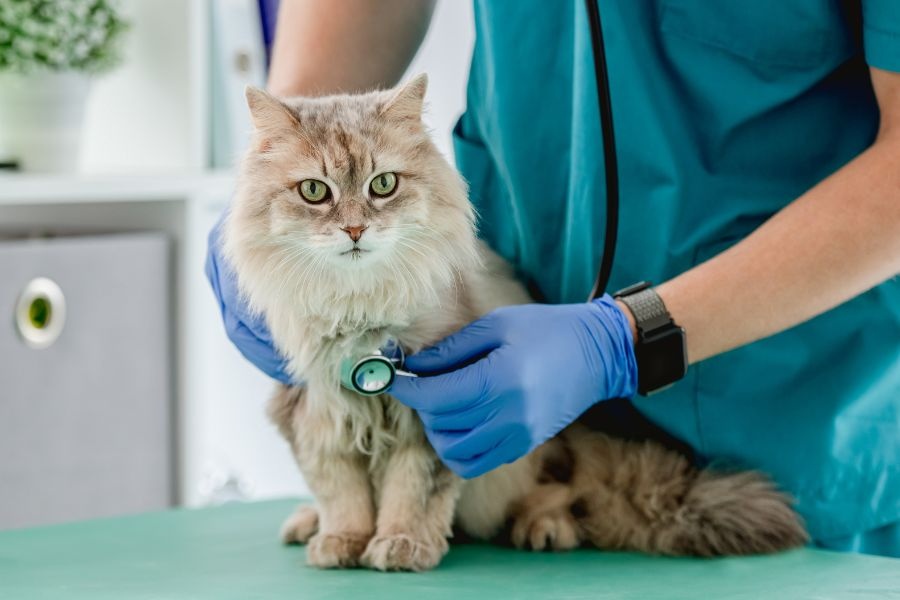
A first pet wellness exam pets receive covers every body system from nose to tail. Your veterinarian will evaluate weight, body condition score, eyes, ears, teeth, gums, skin, coat, heart, lungs, abdomen, lymph nodes, and limb movement. The goal is to establish a complete baseline and identify any concerns that need immediate attention.
In Florida, the first wellness exam also includes a conversation about regional health risks specific to our climate. heat, humidity, and year-round outdoor activity season mean pets here face elevated exposure to fleas, ticks, mosquitoes, and intestinal parasites compared to pets in cooler states. Your vet will factor all of this into your pet’s care plan.
Here is what to expect step by step at a first wellness visit:
- Check-in and paperwork: Bring any prior records from a breeder, shelter, or rescue. If your pet has no history, your vet starts fresh.
- Weight and vitals: Temperature, pulse, and respiration rate are recorded before the exam begins.
- Technician intake: A veterinary technician reviews your pet’s diet, behavior, elimination habits, and any concerns you have noticed at home.
- Full physical exam: The veterinarian examines every body system and explains findings as they go.
- Parasite screening: A fecal test checks for intestinal parasites. Bring a fresh stool sample if possible.
- Vaccine review and administration: Your vet reviews what vaccines are due based on your pet’s age, species, and lifestyle.
- Care plan discussion: You receive a personalized plan covering vaccines, parasite prevention, dental care, and follow-up timing.
- Questions: You will have dedicated time to ask everything on your list. Write your questions down before you arrive.
Most first exams take between 30 and 50 minutes. Plan for that time and give yourself some breathing room.
What Vaccines Does Your New Pet Need?
Pet vaccines Port St. Lucie veterinarians recommend following both national core vaccine guidelines and Florida-specific protocols. Core vaccines protect against the most dangerous and contagious diseases, regardless of your pet’s lifestyle.
Vaccination schedules vary based on your pet’s age, prior history, and health status. Your vet will determine the right timing for your individual pet, not a one-size-fits-all schedule. Pet vaccines Port St. Lucie protocols are designed specifically for the risks pets face in our region year-round.
How Often Should First-Time Pet Owners Take Their Pet to the Vet?
First-time pet owners should take their new pet to the vet within the first week of bringing them home, then follow the schedule their veterinarian recommends. For puppies and kittens, that typically means visits every 3 to 4 weeks until the initial vaccine series is complete, usually around 16 weeks of age. Adult pets in good health generally need annual wellness exams, while senior pets benefit from visits every 6 months.
The American Animal Hospital Association (AAHA) recommends at least one wellness visit per year for adult pets and twice-yearly visits for seniors. Following that schedule is one of the simplest and most effective things you can do for your pet’s health.
Choosing the Right New Pet Vet
Finding a new vet Port St. Lucie families can trust comes down to more than proximity. Look for a clinic where the team takes time to answer your questions, explains every recommendation clearly, and treats your pet with genuine care. Transparency about vaccine schedules, pricing, and follow-up needs is a strong indicator of a practice that puts patients first.
A good veterinary team will also help you understand the risks your pet faces throughout the year. Flea and tick prevention, heartworm prevention, and heat safety are not seasonal concerns here. They are year-round priorities. We frequently remind our clients that skipping heartworm prevention even for one or two months carries real risk in mosquito season, which effectively never ends.
Live with Grace Animal Hospital offers comprehensive wellness care for new pets and new pet owners throughout Port St. Lucie and the surrounding area. Our team provides full physical exams, personalized vaccine planning, parasite screening, dental evaluations, and the guidance first-time owners need to feel confident and prepared.
Conclusion
Understanding what veterinary care for first-time pet owners involves makes every appointment easier and every decision clearer. The early months lay the foundation for your pet’s health for life. Regular exams, the right vaccines, and a consistent parasite prevention plan are the three pillars every new pet owner in Port St. Lucie should prioritize from day one. You do not need to figure it all out alone. Live with Grace Animal Hospital is here to guide you through every stage of your pet’s care with compassion, expertise, and genuine attention to what your pet needs. Book an appointment today.
Frequently Asked Questions
How soon should I take my new pet to the vet?
Ans: Schedule a veterinary visit within the first 7 days of bringing your new pet home. Early exams catch hidden health issues, establish a vaccine schedule, and give your vet a baseline to work from for every future visit.
What vaccines does my new puppy or kitten need?
Ans: Core vaccines for puppies include distemper, parvovirus, adenovirus, and rabies. Kittens need feline herpesvirus, calicivirus, panleukopenia, and rabies vaccines. Your vet will also recommend non-core vaccines based on your pet’s lifestyle and Florida’s regional disease risks.
What should I bring to my first vet visit?
Ans: Bring any prior vaccination records or health certificates, a fresh fecal sample in a sealed bag, your pet’s current food, and a written list of questions. This helps your vet complete a thorough evaluation without needing to repeat bloodwork or vaccines unnecessarily.
How much does a new pet wellness exam cost?
Ans: Wellness exam fees vary depending on the clinic, your pet’s species, and what diagnostics are included. Contact your veterinary hospital directly for current pricing. Many clinics offer new patient wellness packages that bundle the exam, core vaccines, and a fecal test together at a reduced rate.
Do I need year-round flea, tick, and heartworm prevention?
Yes. Port St. Lucie’s warm climate means fleas, ticks, and mosquitoes are active every month of the year. The American Veterinary Medical Association (AVMA) recommends year-round parasite prevention for all pets in Florida, not just during warmer months.