12457 SW Community Blvd., Port St. Lucie, FL 34987

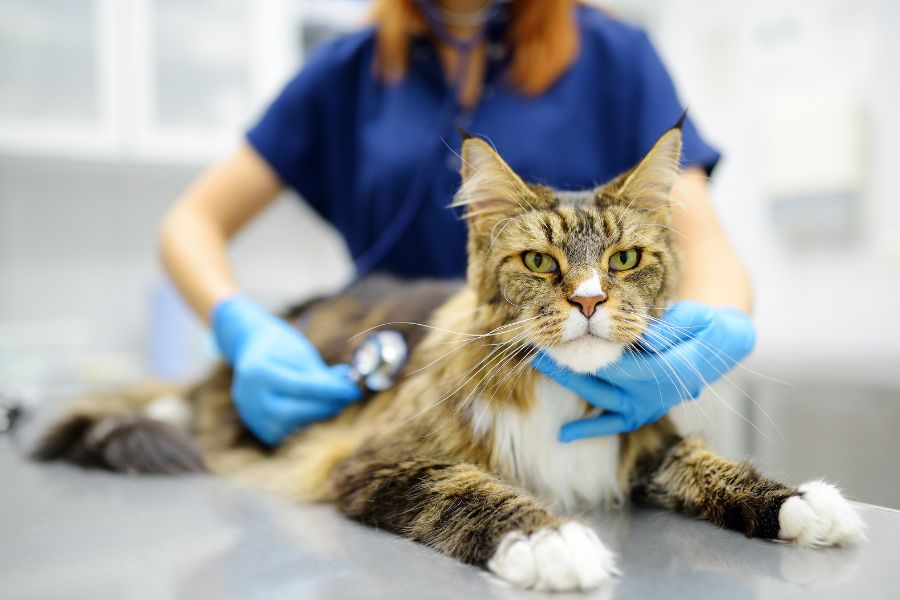
Providing the right veterinary care for cats is one of the most important responsibilities of a pet owner. From routine checkups to preventive treatments, small habits can make a life-saving difference in your cat’s health. In this guide, we’ll cover seven essential habits that support long-term cat health care, help prevent disease, and ensure your feline companion lives a longer, happier life.
Why Veterinary Care for Cats Matters
Cats are known for hiding illness, which makes regular cat vet care critical. Many serious conditions—like kidney disease, dental infections, and diabetes—develop silently and only show symptoms when they’re advanced.
Consistent cat preventive care helps:
- Detect health issues early
- Reduce long-term treatment costs
- Improve your cat’s quality of life
- Extend lifespan
In a warm, humid area, cats are also more prone to parasites and skin conditions, making routine veterinary visits even more important.
1. Schedule Regular Cat Wellness Exams
A cat wellness exam is the foundation of proper feline health care. Even if your cat appears healthy, annual or bi-annual checkups can reveal hidden problems.
During a wellness exam, your vet will:
- Check weight, heart rate, and temperature
- Examine teeth, coat, and eyes
- Screen for parasites or infections
- Recommend vaccines or lab tests
Kittens and senior cats may require more frequent visits. Preventive screenings can catch issues like thyroid imbalance or early kidney disease before they become life-threatening.
2. Stay Up-to-Date on Vaccinations
Vaccinations are a core part of veterinary care for cats. They protect against serious and often fatal diseases.
Core vaccines typically include:
- Rabies
- Feline distemper (panleukopenia)
- Feline herpesvirus
- Calicivirus
Depending on your cat’s lifestyle, your vet may recommend additional vaccines. Indoor cats still need protection since viruses can enter your home through clothing or other pets.
3. Prioritize Parasite Prevention
Fleas, ticks, and intestinal worms are common threats in Florida’s climate. Without proper cat preventive care, these parasites can cause severe health problems.
Common risks include:
- Flea allergy dermatitis
- Tapeworm infections
- Heartworm disease (yes, cats can get it too)
Monthly preventive medications are the safest way to protect your cat. Your veterinarian can recommend the best product based on your cat’s age and lifestyle.
4. Maintain Dental Health
Dental disease is one of the most overlooked aspects of cat health care. By age three, most cats show signs of periodontal disease.
Warning signs include:
- Bad breath
- Drooling
- Difficulty eating
- Red or bleeding gums
Routine dental cleanings and at-home brushing can help prevent infections that may spread to vital organs such as the heart and kidneys.
5. Monitor Nutrition and Weight
Obesity is a growing concern in feline health. Proper nutrition plays a key role in cat vet care and overall well-being.
Healthy feeding habits include:
- Measuring portions carefully
- Choosing high-quality, vet-recommended food
- Avoiding excessive treats
- Providing fresh water daily
In Port St. Lucie, where indoor living is common due to heat, cats may get less exercise—making weight management even more important.
6. Watch for Behavioral Changes
Cats rarely show obvious signs of illness. Subtle behavioral changes can be early indicators that something is wrong.
Pay attention to:
- Changes in appetite or water intake
- Litter box issues
- Increased hiding or aggression
- Reduced activity
If you notice any of these signs, schedule a cat wellness exam promptly. Early diagnosis can make treatment more effective and less costly.
7. Keep Up with Routine Diagnostic Testing
Routine diagnostics are essential to veterinary care for cats, especially as they age.
Your vet may recommend:
- Bloodwork
- Urinalysis
- Fecal exams
- X-rays or ultrasounds
These tests help detect hidden conditions such as kidney disease, diabetes, or infections before symptoms appear. Early detection can significantly improve treatment outcomes.
Local Cat Care Insight
Living in Port St. Lucie means dealing with a warm, humid climate year-round. This environment increases the risk of:
- Fleas and ticks
- Heartworm transmission
- Skin infections
That’s why consistent cat preventive care is especially important for local pet owners. Indoor cats may seem protected, but they are still at risk due to environmental exposure.
At Live with Grace Animal Hospital, veterinarians understand the specific health challenges cats face in this region and tailor care plans accordingly.
Common Mistakes Cat Owners Should Avoid
Even well-meaning pet owners can overlook important aspects of cat health care. Avoid these common mistakes:
- Skipping annual vet visits
- Ignoring dental hygiene
- Overfeeding or free-feeding
- Delaying care when symptoms appear
- Using dog medications for cats
Small oversights can lead to serious health issues over time.
How to Build a Preventive Care Routine
Creating a structured routine makes cat vet care easier and more effective.
Monthly:
- Apply parasite prevention
- Check weight and appetite
Every 6–12 Months:
- Schedule a cat wellness exam
- Update vaccinations
Annually:
- Run diagnostic tests
- Perform dental cleaning if needed
Consistency is key. Preventive care is always more affordable and less stressful than emergency treatment.
Conclusion:
Proper veterinary care for cats isn’t just about treating illness—it’s about preventing it. By following these seven life-saving habits, you can protect your cat from common health risks and ensure a long, healthy life. From regular cat wellness exams to parasite prevention and proper nutrition, each step plays a vital role. If you’re in Port St. Lucie, now is the perfect time to prioritize your cat’s health. Schedule a checkup at Live with Grace Animal Hospital today to give your feline the care they deserve.
FAQs:
Q1: How often should I take my cat to the vet?
Ans: Most cats should visit the vet once a year, while kittens and senior cats may need checkups every 6 months for proper monitoring.
Q2: What does a cat wellness exam include?
Ans: A cat wellness exam includes a physical checkup, weight monitoring, dental evaluation, parasite screening, and vaccine updates to maintain overall health.
Q3: Do indoor cats really need preventive care?
Ans: Yes, indoor cats still need preventive care because they can be exposed to parasites and diseases through the environment or other pets.
Q4: What are early signs of illness in cats?
Ans: Early signs include changes in appetite, weight loss, hiding behavior, litter box issues, and reduced activity levels.
Q5: Why is parasite prevention important for cats in Florida?
Ans: Florida’s warm climate increases the risk of fleas, ticks, and heartworms, making year-round prevention essential for protecting your cat’s health.
