12457 SW Community Blvd., Port St. Lucie, FL 34987


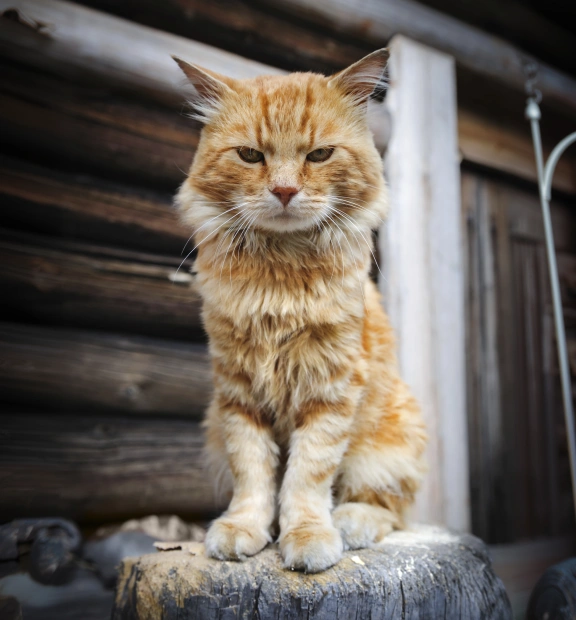
Preventive Care With Senior Cat Wellness in Port St. Lucie
Caring for an aging cat requires special attention to ensure they remain happy, healthy, and comfortable in their later years. At Live with Grace Animal Hospital, we offer comprehensive senior cat care in Port St. Lucie, tailored to meet the unique needs of your feline companion. Our goal is to help your cat maintain their quality of life as they age by providing preventive care and addressing any health concerns early on.
As cats age, their physical and medical needs evolve. Regular visits to the veterinarian help monitor your cat’s health, detect any emerging conditions, and ensure they are healthy in their golden years.
The Importance of Senior Cat Care
Like all pets, senior cats face age-related challenges, such as mobility issues, changes in weight, and an increased risk of chronic conditions, including kidney disease and arthritis. Providing proper senior cat care ensures that they stay active, happy, and as healthy as possible for many years. Regular check-ups help to identify and manage these issues before they impact your cat’s quality of life.
Taking a proactive approach to health care by scheduling regular exams, keeping your cat’s diet and weight in check, and addressing any behavioral changes is key to their long-term well-being.
Living in the sunny, warm climate of Port St. Lucie offers many opportunities for your senior cat to lounge and play in a relaxed environment. With proper senior cat care in Port St. Lucie, your senior cat can stay safe, healthy, and active in this beautiful area.
Services for Senior Cats
We offer a wide range of aging cat care services designed to meet the needs of senior cats:
- Routine Wellness Exams: We recommend regular checkups to monitor your senior cat’s health, detect potential issues early, and track any changes in their physical condition.
- Nutritional Advice: As your cat ages, their dietary needs change. We provide recommendations for age-appropriate diets that support their health and help manage conditions such as arthritis and other age-related conditions.
- Dental Health Care: Regular dental exams and cleanings prevent gum disease, tooth loss, and other oral health issues. Poor dental health can lead to other complications, so keeping your cat’s teeth clean is essential.
- Arthritis Management: Joint pain and stiffness are common in older cats. We offer various treatment options, such as pain management medications and supplements, to improve your cat’s mobility and comfort.
- Blood Work & Diagnostics: Senior cats are more prone to conditions like kidney disease, diabetes, and hyperthyroidism. Routine blood tests and diagnostic screenings help identify these issues before they become serious problems.
- Parasite Control: Even senior cats can be vulnerable to parasites. We ensure that your cat is protected against fleas, ticks, and other parasites that can affect their health and comfort.
Common Health Concerns in Senior Cats
With aging comes an increased risk of certain health conditions. Here are some common issues senior cats may face:
- Arthritis and Joint Pain: Cats may develop stiffness or limping due to arthritis, making it harder for them to jump or move around comfortably.
- Dental Disease: Gum disease and tooth loss are common in senior cats, which can lead to pain, infections, and difficulty eating.
- Kidney Disease: Kidney function often declines with age, leading to symptoms such as excessive thirst, urination, and weight loss.
- Hyperthyroidism: Overactive thyroid can cause weight loss, increased appetite, and hyperactivity in senior cats.
- Obesity: Excess weight can contribute to other health problems, including arthritis, diabetes, and heart disease.
How to Care for Your Senior Cat
Providing excellent care for your senior cat goes beyond just regular veterinary visits. Here are some ways you can support your cat at home:
- Create a Comfortable Living Space: Senior cats often need extra comfort, so provide them with soft bedding and a quiet place to rest.
- Encourage Gentle Play: Even older cats need exercise. Engage your senior cat in low-impact play to keep them active and prevent weight gain.
- Keep Their Litter Box Accessible: Arthritis or joint pain can make it difficult for your cat to get in and out of a litter box. Make sure it’s easy for them to access.
- Monitor Changes in Behavior: Keep an eye out for signs of pain or discomfort, or for changes in behavior. If your cat seems lethargic, has trouble eating, or is hiding more than usual, schedule a visit with the vet.
Schedule Aging Cat Care to Maintain Quality of Life
Aging cat care is essential for maintaining your cat’s quality of life as they grow older. At Live with Grace Animal Hospital, we take a comprehensive approach to senior cat care, combining regular veterinary exams with personalized treatments. Whether it’s managing arthritis, monitoring organ function, or simply providing nutritional advice, we’re committed to helping your cat live a long and healthy life. Contact us today to schedule an appointment and get the best care for your senior feline companion.