12457 SW Community Blvd., Port St. Lucie, FL 34987

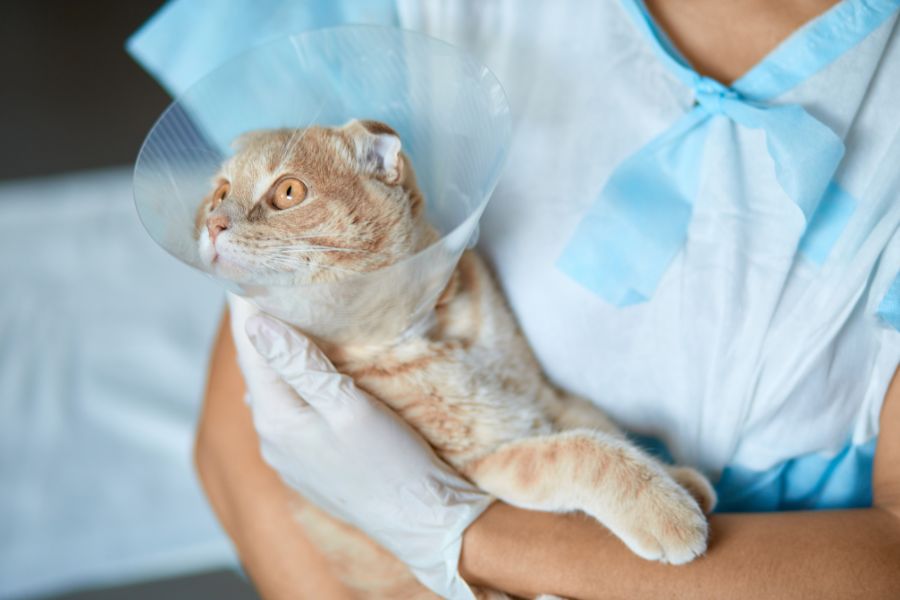
If your veterinarian has scheduled a procedure, knowing how to prepare your cat for surgery can ease anxiety for both you and your pet. Proper cat surgery preparation reduces risks, supports smoother anesthesia, and helps your cat recover faster. In this step-by-step guide, you will learn exactly what to do before, during, and after surgery to keep your feline safe and comfortable.
Why Proper Cat Surgery Preparation Matters
Surgery is often necessary to treat injuries, illness, dental disease, or to perform spay and neutering procedures. While modern anesthesia for cats and surgical techniques are very safe, preparation plays a major role in outcomes.
Good preparation helps:
- Reduce anesthesia complications
- Lower the risk of infection
- Improve healing time
- Minimize stress for your cat
- Give you peace of mind
Whether your cat is undergoing a routine procedure or a more complex treatment, following a clear cat surgery pre-op checklist ensures everything goes smoothly.
Understanding Anesthesia for Cats
Before you prepare your cat for surgery, it helps to understand how anesthesia works.
Modern veterinary hospitals use:
- Pre-anesthetic bloodwork to evaluate organ function
- IV catheters for fluids and medications
- Gas anesthesia for precise control
- Continuous monitoring of heart rate, oxygen, blood pressure, and temperature
Anesthesia for cats is tailored based on age, breed, weight, and health status. Senior cats or cats with kidney or heart disease may require additional precautions.
If you have concerns, ask your veterinarian about:
- The type of anesthesia being used
- Monitoring equipment during surgery
- Pain management plans
- Recovery supervision
Clear communication reduces anxiety and ensures safe cat surgery preparation.
Step 1: Schedule a Pre-Surgical Exam and Bloodwork
Every surgical procedure should begin with a full physical exam. Your veterinarian will:
- Listen to the heart and lungs
- Check weight and hydration
- Evaluate overall health
- Review medical history
Pre-anesthetic blood testing screens for:
- Kidney function
- Liver enzymes
- Blood glucose levels
- Red and white blood cell counts
This testing helps detect hidden conditions that could affect anesthesia for cats. Even young, healthy cats benefit from baseline testing.
Step 2: Follow Fasting Instructions Carefully
One of the most important steps when you prepare your cat for surgery is fasting.
Most veterinarians recommend:
- No food for 8 to 12 hours before surgery
- Water allowed until early morning, unless instructed otherwise
Why fasting matters:
During anesthesia, swallowing reflexes are reduced. Food in the stomach increases the risk of vomiting and aspiration, which can be dangerous.
For kittens or diabetic cats, fasting instructions may differ. Always follow your veterinarian’s specific guidance.
Step 3: Create a Calm Environment the Night Before
Cats are highly sensitive to changes in routine. Stress can affect blood pressure and immune function, which may complicate surgery.
The night before surgery:
- Keep your cat indoors
- Avoid introducing new pets or visitors
- Provide a quiet, comfortable sleeping area
- Limit food access if you have multiple pets
Place the carrier out early so your cat becomes comfortable with it. Adding a familiar blanket can help reduce anxiety.
Step 4: Use a Complete Cat Surgery Pre-Op Checklist
A structured cat surgery pre-op checklist helps you stay organized.
The Night Before
- Remove food at the instructed time
- Confirm drop-off time
- Prepare medical records if needed
- Write down any questions
The Morning of Surgery
- Do not feed your cat
- Leave water only if approved
- Administer medications only if directed
- Transport your cat in a secure carrier
Label the carrier clearly with your contact information. Ensure your phone remains available in case the veterinary team needs to reach you.
Step 5: Inform Your Veterinarian About Medications and Health Changes
Before you prepare your cat for surgery, disclose all medications and supplements, including:
- Flea preventatives
- Herbal supplements
- Pain medications
- Steroids
- Insulin
Also, report any recent symptoms such as:
- Vomiting
- Diarrhea
- Coughing
- Lethargy
Even minor changes can influence anesthesia for cats and surgical planning.
Step 6: Plan for Post-Surgery Recovery at Home
Proper recovery setup is part of effective cat surgery preparation.
Before surgery day, prepare:
- A quiet recovery room
- Clean bedding
- A litter box with low sides
- Food and water bowls nearby
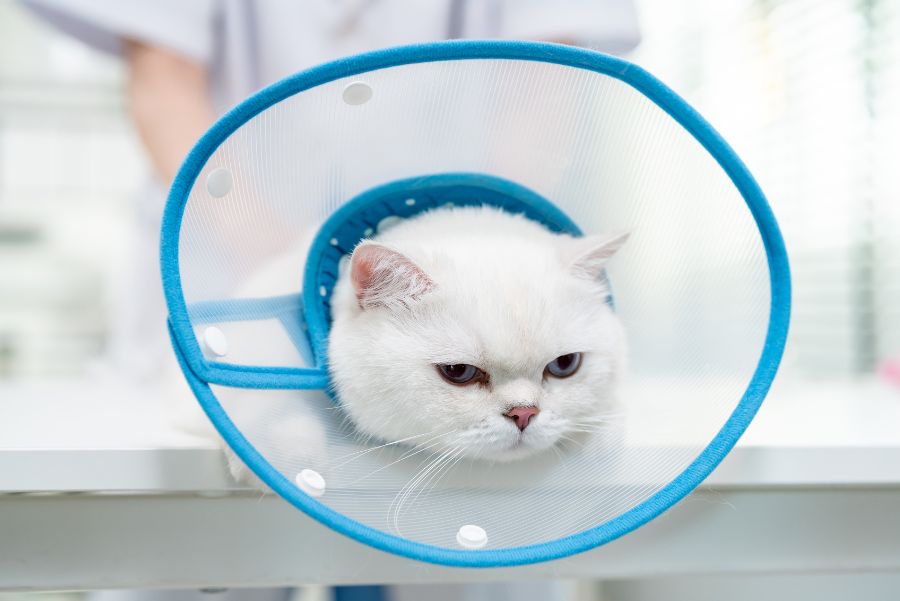
- An e-collar or surgical suit if required
After surgery, your cat may be:
- Groggy
- Unsteady
- More vocal than usual
- Less interested in food initially
These effects typically resolve within 24 hours.
Monitor the incision daily for:
- Redness
- Swelling
- Discharge
- Excessive licking
Follow medication instructions exactly as prescribed.
Common Types of Veterinary Surgery
Common feline procedures include:
- Spay and neuter surgery
- Dental extractions
- Mass removals
- Soft tissue surgery
- Bladder stone removal
Best veterinary surgery in Port St. Lucie typically includes advanced monitoring equipment, sterile operating suites, and trained veterinary technicians dedicated to anesthesia monitoring.
If you are searching for safe and experienced surgical care, choose a hospital that emphasizes thorough pre-operative testing and pain control protocols.
Red Flags After Surgery
Even with careful cat surgery preparation, complications can occur. Contact your veterinarian immediately if you notice:
- Pale gums
- Labored breathing
- Continuous vomiting
- Severe swelling at the incision site
- Bleeding
- Collapse
Prompt attention prevents minor concerns from becoming emergencies.
Tips to Reduce Owner Anxiety
Preparing your cat for surgery can feel overwhelming. Here are ways to manage stress:
- Ask for a written estimate
- Request updates during surgery
- Understand the pain management plan
- Clarify discharge instructions
Remember, modern anesthesia for cats is very safe when proper protocols are followed. Most procedures are routine and highly successful.
Conclusion
Knowing how to prepare your cat for surgery ensures a safer procedure and smoother recovery. Follow fasting instructions, complete pre-surgical bloodwork, create a calm environment, and set up a quiet recovery space at home. A detailed cat surgery pre-op checklist helps you stay organized and confident.
If you are looking for veterinary surgery near me, our experienced vet team at Live with Grace Animal Hospital in Port St. Lucie provides advanced monitoring, compassionate care, and personalized surgical plans. Schedule a consultation and give your cat the safe surgical experience they deserve.
FAQs
Q1: How long should I withhold food before cat surgery?
Ans: Most cats should fast for 8 to 12 hours before surgery, but always follow your veterinarian’s specific instructions.
Q2: Is anesthesia for cats safe?
Ans: Yes. With pre-anesthetic bloodwork and modern monitoring equipment, anesthesia for cats is considered very safe, especially for healthy pets.
Q3: What should I include in a cat surgery pre-op checklist?
Ans: Include fasting confirmation, medication review, transport planning, contact information, and recovery area preparation.
Q4: How long does it take for a cat to recover from surgery?
Ans: Most cats recover from anesthesia within 24 hours, but full incision healing typically takes 10 to 14 days.
Q5: When should I call the vet after my cat’s surgery?
Ans: Call immediately if you see vomiting, excessive swelling, bleeding, breathing issues, or signs of severe pain.