12457 SW Community Blvd., Port St. Lucie, FL 34987

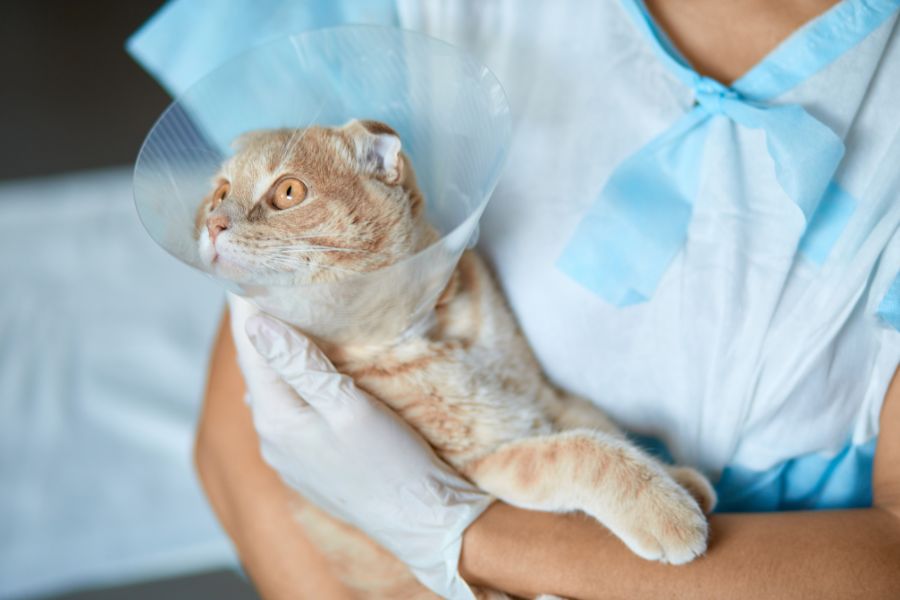
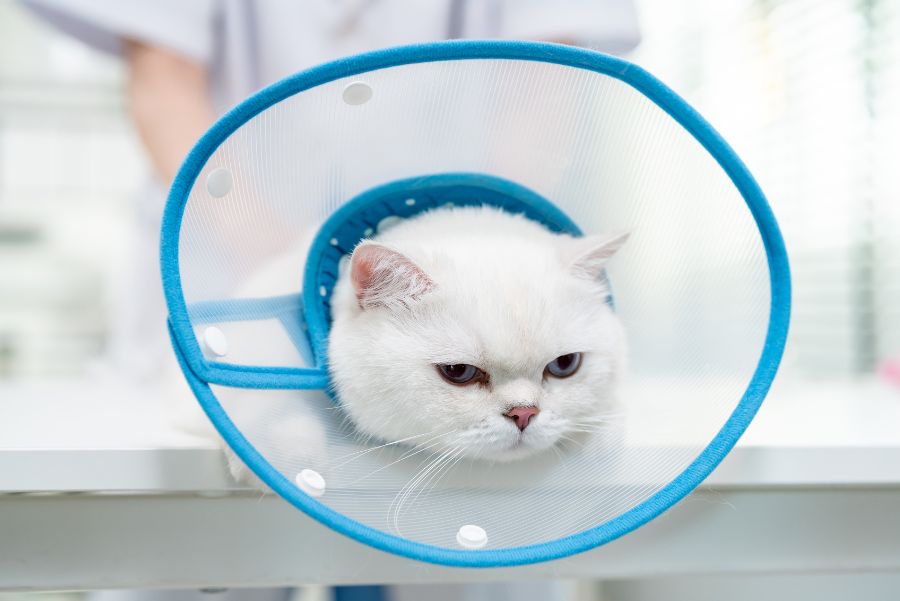
Pet surgery can feel stressful for any pet parent, but modern veterinary medicine has made procedures safer than ever. If you’re wondering how vets minimize surgical risks in pets, this guide explains the careful steps taken before, during, and after surgery to protect your dog or cat. From pre-surgical testing to advanced monitoring and recovery care to keep pets safe and comfortable.
How Common Is Surgery in Pets Today?
Surgery is a routine part of veterinary care. Pets may need procedures for spaying or neutering, dental disease, injury repair, mass removal, or internal health issues. While no surgery is completely risk-free, complications are uncommon when proper protocols are followed.
Veterinarians focus on risk reduction, not just the procedure itself. This means evaluating each pet as an individual, considering age, breed, weight, and overall health before ever entering the operating room.
Pre-Surgical Exams: The First Line of Safety
One of the most important ways vets minimize surgical risks in pets is through a thorough pre-surgical exam.
What Vets Check Before Surgery
Before anesthesia is given, your veterinarian will typically assess:
- Heart and lung function
- Body weight and hydration status
- Temperature and vital signs
- Medical history and current medications
This exam helps identify red flags such as heart murmurs, breathing issues, or infections that could increase surgical risk.
Pre-Anesthetic Bloodwork: Why It Matters
Blood testing before surgery is a major safety tool. It helps vets understand how well your pet’s internal organs are working.
What Blood Tests Reveal
Pre-surgical lab work can show:
- Liver and kidney function (critical for processing anesthesia)
- Red and white blood cell levels
- Signs of infection or anemia
- Blood sugar abnormalities
By catching hidden issues early, vets can adjust anesthesia plans or delay surgery until it’s safer.
Customized Anesthesia Plans for Each Pet
Anesthesia is often what worries pet owners most, but it’s also where veterinary medicine has advanced the most.
How Anesthesia Is Made Safer
Veterinarians minimize risk by:
- Calculating doses based on your pet’s exact weight
- Choosing drugs appropriate for age and health status
- Using short-acting, reversible medications when possible
Senior pets or those with medical conditions may receive lighter anesthesia or additional monitoring. There is no “one-size-fits-all” approach.
Modern Monitoring During Surgery
Once your pet is under anesthesia, continuous monitoring is critical.
Vital Signs Vets Track
Throughout surgery, trained staff monitor:
- Heart rate and rhythm
- Blood oxygen levels
- Blood pressure
- Respiratory rate
- Body temperature
If anything changes, adjustments are made immediately. This real-time monitoring significantly reduces the chance of complications.
Sterile Surgical Techniques Reduce Infection Risk
Infections are a concern in any surgery, which is why strict cleanliness protocols are followed.
What Sterile Surgery Looks Like
To minimize infection risk, veterinary teams:
- Sterilize surgical instruments
- Shave and clean the surgical site thoroughly
- Wear gloves, masks, and sterile gowns
- Use clean operating rooms only for surgery
These steps protect your pet from post-surgical infections and support faster healing.
Pain Management Before, During, and After Surgery
Pain control isn’t just about comfort—it’s about safety and recovery.
How Pain Is Managed
Vets often use multimodal pain management, which may include:
- Pain medication before surgery begins
- Local anesthetics at the surgical site
- Anti-inflammatory medications after surgery
When pain is controlled, pets recover faster, eat sooner, and are less likely to experience complications.
Temperature Control During Surgery
Pets can lose body heat quickly under anesthesia, especially small dogs and cats.
Why Temperature Matters
Low body temperature can:
- Slow recovery from anesthesia
- Affect heart function
- Increase healing time
To prevent this, warming blankets, heated tables, and warm IV fluids are commonly used during pet surgery.
Careful Recovery Monitoring After Surgery
The surgical procedure doesn’t end when the incision is closed. Recovery is a critical phase.
What Happens During Recovery
After surgery, pets are closely observed as they wake up. Veterinary staff monitor:
- Breathing and heart rate
- Temperature
- Alertness and comfort level
This ensures your pet regains consciousness safely and any issues are addressed immediately.
Clear Post-Surgery Instructions for Pet Owners
A smooth recovery at home is just as important as what happens in the clinic.
Common Aftercare Guidelines
Pet parents are usually advised on:
- Activity restrictions
- Feeding instructions
- Medication schedules
- Incision care
- Signs of complications to watch for
Following these instructions helps prevent infections, reopening of incisions, and delayed healing.
How Vets Prepare for Emergencies
Even with careful planning, vets are always prepared for the unexpected.
Safety Backups in Place
Veterinary hospitals keep emergency equipment and medications ready, including:
- Oxygen support
- Emergency drugs
- IV fluids
- Trained staff on hand
This preparation ensures quick action if a pet’s condition changes suddenly.
Surgical Safety for Senior Pets
Older pets can still undergo surgery safely with extra precautions.
Special Considerations for Seniors
For senior dogs and cats, vets may:
- Perform additional diagnostics
- Adjust anesthesia doses
- Provide longer recovery monitoring
Age alone is not a reason to avoid surgery; overall health matters more.
Local Veterinary Surgical Care You Can Trust
In growing communities like Port St. Lucie, FL, veterinary clinics see pets of all ages and lifestyles. Whether your pet is an energetic puppy or a calm senior cat, individualized surgical planning helps ensure safe outcomes. At Live with Grace Animal Hospital, the focus is on compassionate care, clear communication, and modern safety protocols tailored to each pet. Don’t hesitate to schedule a consultation to discuss your concerns.
Conclusion
By combining thorough exams, advanced diagnostics, customized anesthesia, constant monitoring, sterile techniques, and attentive recovery care. Surgery may never feel completely stress-free, but knowing the safety measures in place can bring peace of mind. If your pet needs a procedure, talk with your local veterinarian in Port St. Lucie about the steps taken to keep them safe.
FAQs
Q1: Is anesthesia safe for pets?
Yes, anesthesia is generally very safe when pets are properly screened and monitored throughout the procedure.
Q2: Why does my pet need bloodwork before surgery?
Bloodwork helps detect hidden health issues that could affect how your pet handles anesthesia and healing.
Q3: Are surgical risks higher for older pets?
Senior pets may have slightly higher risks, but with proper testing and monitoring, many undergo surgery safely.
Q4: How long does it take for pets to recover after surgery?
Recovery time varies by procedure, but many pets feel better within a few days, with full healing in 10–14 days.
Q5: What signs of complications should I watch for after surgery?
Swelling, redness, discharge, loss of appetite, or lethargy should be reported to your veterinarian right away.