12457 SW Community Blvd., Port St. Lucie, FL 34987

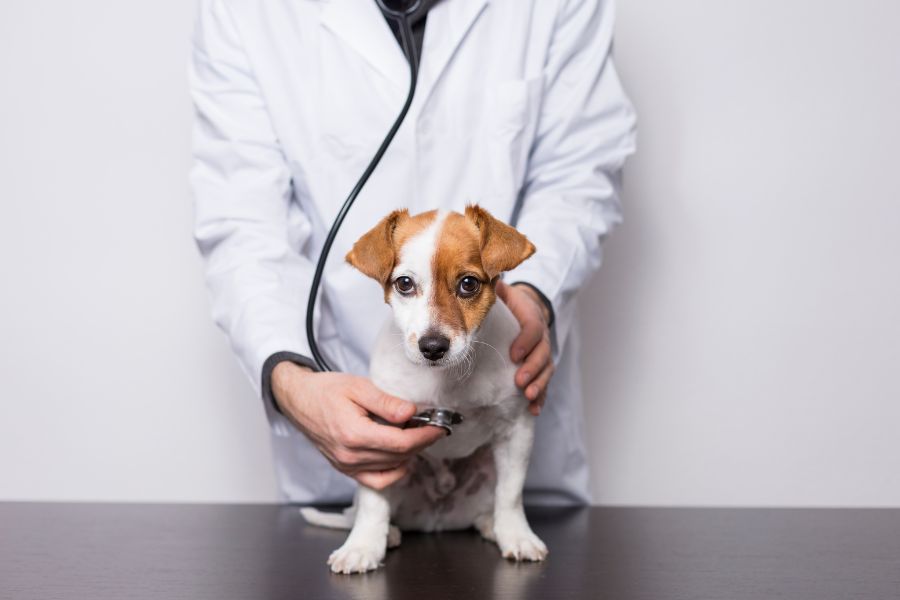
As the year comes to a close, scheduling an annual vet checkup for pets is one of the most impactful steps you can take to protect their long-term health. An end-of-year visit ensures your dog or cat enters January healthy, up-to-date on preventive care, and free of emerging pet health issues. This guide explains why a yearly pet wellness exam before the New Year is essential, what veterinarians check during the visit, and how early detection can save time, money, and stress in the year ahead.
Why an End-of-Year Vet Checkup Matters for Pet Health
A routine pet health checkup before the New Year offers a strategic opportunity to assess your pet’s overall well-being. Many health concerns—such as dental disease, joint pain, or weight changes—develop slowly and may go unnoticed at home. A veterinarian can identify these early, improving outcomes and reducing the risk of complications.
Scheduling this appointment at the end of the year allows your pet to start fresh with updated vaccinations, a clear health plan, and preventive treatments aligned with seasonal and lifestyle changes. For many pet owners, this timing also helps align care with flexible end-of-year schedules.
What Veterinarians Look for in a Yearly Pet Wellness Exam
A comprehensive yearly vet exam assesses your pet from nose to tail. The goal is to establish a baseline of health and detect subtle changes before they become serious.
Physical Examination
Your veterinarian will evaluate:
- Eyes, ears, and mouth for early signs of infection
- Heart and lungs through auscultation
- Skin and coat condition
- Abdomen for irregularities
- Mobility and joint health
This hands-on assessment provides insight into visible and hidden conditions affecting your pet.
Vital Signs and Body Condition
Monitoring weight, temperature, heart rate, and body condition index helps identify:
- Obesity or unhealthy weight loss
- Early metabolic issues
- Heat or respiratory abnormalities
- Pain, stress, or discomfort indicators
These metrics are essential for long-term preventive care.
Diagnostic Screenings
Depending on your pet’s age and health history, your veterinarian may recommend screenings such as:
- Blood work (CBC, chemistry panels)
- Urinalysis
- Fecal testing for parasites
- Heartworm and tick-borne disease testing
- Senior panels for older pets
Diagnostics offer critical insights into organ function and early disease detection.
Benefits of a Pet Checkup Before the New Year
An end-of-year visit provides several advantages that can significantly impact your pet’s health.
Early Detection of Health Issues
Many diseases progress silently. An annual vet checkup for pets can detect conditions such as kidney disease, thyroid imbalances, diabetes, and arthritis at earlier, more treatable stages.
Staying Up-to-Date on Vaccinations
Vaccines protect pets from serious illnesses. Completing boosters before the New Year ensures uninterrupted protection and compliance with kennel, groomer, and travel requirements.
Parasite Prevention Strategy Review
Fleas, ticks, and intestinal parasites are active year-round in many regions. Your veterinarian will review:
- Heartworm prevention
- Flea and tick medications
- Deworming schedules
This ensures your pet stays protected regardless of seasonal changes.
Dental Health Assessment
Dental disease is one of the most common conditions affecting pets today. A veterinarian may recommend:
- Professional dental cleaning
- At-home oral hygiene routines
- Monitoring for tartar buildup, gum inflammation, or tooth decay
Addressing dental issues early prevents pain and costly procedures later.
Nutrition and Weight Management
A routine pet health checkup includes tailored guidance on:
- Diet quality and portion control
- Healthy weight goals
- Adjustments for age or medical conditions
- Supplements for skin, joints, or digestion
Proper nutrition is one of the strongest predictors of long-term wellness.
Behavior and Mobility Evaluation
Changes in activity, behavior, or comfort levels may signal developing issues such as arthritis, cognitive decline, or anxiety. A pre-New Year visit allows you to create a care plan that supports physical and emotional well-being.
How an Annual Vet Checkup Supports Preventive Care
Preventive care is more effective and less costly than treating advanced illnesses. By evaluating your pet annually, your veterinarian can track trends, revisit health goals, and implement early corrections.
Key elements include:
- Updating vaccinations and parasite control
- Monitoring chronic conditions
- Personalized diet and exercise plans
- Early disease screening
- Dental maintenance
Preventive care builds a foundation that keeps pets healthier throughout each stage of life.
Why Timing Before the New Year Is Ideal
Scheduling your pet’s wellness exam before the New Year provides additional practical benefits.
Avoiding Busy Winter Schedules
Veterinary hospital in Port St. Lucie often books quickly during the holidays and early winter due to travel requirements, emergencies, and general demand. Scheduling early prevents long wait times and ensures your pet receives timely care.
Tracking Health Year to Year
Keeping your pet’s annual checkup at the same time each year helps maintain consistent records. It becomes easier to compare health metrics and spot developing patterns.
Entering the New Year Prepared
From updated medical records to personalized health plans, you start January with confidence knowing your pet is protected, healthy, and supported for the year ahead.
How to Prepare Your Pet for Their Yearly Vet Exam
A smooth, stress-free visit benefits pets and owners alike.
Preparation Tips:
- Gather vaccination records or previous medical history
- Bring a list of questions or concerns
- Note any changes in appetite, behavior, or mobility
- Bring a fresh stool sample if a fecal exam is required
- Avoid feeding right before car travel if your pet gets motion sickness
- Ensure cats travel in secure carriers and dogs wear properly fitted harnesses
Preparing ahead helps your veterinarian deliver the most accurate and effective care.
Conclusion
A pet checkup before the New Year is a simple yet strategic way to safeguard your pet’s health. From preventive screenings to updated vaccines and personalized wellness guidance, this visit ensures your pet begins the coming year on the right track. If you are searching for a trustworthy pet care hospital in Port St. Lucie, Live with Grace Animal Hospital offers compassionate support and comprehensive wellness services to keep your pets thriving.
FAQs
Q1: What does a yearly pet wellness exam include?
Ans: A yearly wellness exam includes a full physical assessment, vital signs, lab testing, parasite screening, and a discussion of nutrition, behavior, and preventive care.
Q2: How often should pets get an annual vet checkup?
Ans: Most pets should receive a complete veterinary exam once a year; senior pets or those with medical conditions may require more frequent visits.
Q3: Why is a pet checkup before the New Year beneficial?
Ans: It ensures your pet is healthy, up-to-date on vaccines, and prepared for seasonal and lifestyle changes heading into the new year.
Q4: Are routine pet health checkups necessary for indoor pets?
Ans: Yes, indoor pets still need exams to monitor weight, dental health, organ function, and parasite prevention.
Q5: What should I bring to my pet’s annual vet visit?
Ans: Bring medical records, vaccination history, a stool sample (if needed), a list of behavior or appetite changes, and any current medications.