12457 SW Community Blvd., Port St. Lucie, FL 34987

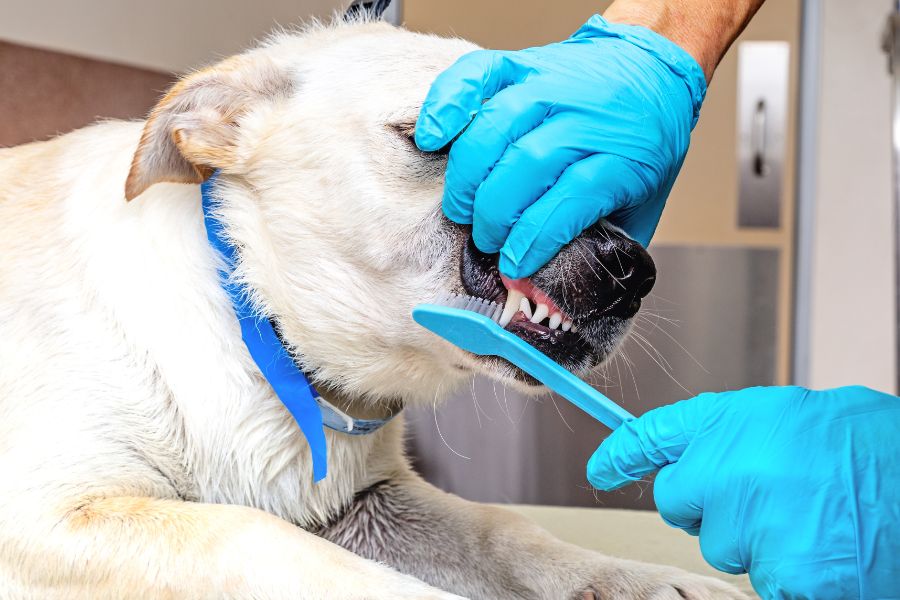
Dental health is a crucial yet often overlooked aspect of pet care. Poor oral hygiene in dogs and cats can lead to painful dental disease, systemic infections, and costly veterinary treatments. This guide from Live with Grace Animal Hospital explores effective strategies to prevent dental disease in pets, including daily brushing, proper diet, dental chews, and regular veterinary check-ups. Learn how to maintain your furry friend’s oral health and overall well-being through practical tips and preventative care. With the right approach, you can protect your pets from discomfort and ensure a longer, healthier life.
Understanding Dental Disease in Pets
Dental disease is one of the most common health problems in dogs and cats. Plaque buildup, tartar formation, and bacterial infections can lead to gingivitis, tooth loss, and even systemic issues affecting the heart, liver, and kidneys.
- Dogs: Dental disease often starts with bad breath, red gums, and difficulty chewing.
- Cats: Symptoms can be more subtle, including drooling, pawing at the mouth, or decreased appetite.
Recognizing early signs is essential for timely intervention and maintaining overall pet health.
Why Pet Dental Care Matters
Proper pet dental care is not just about fresh breath. It is vital for:
- Preventing painful oral conditions
- Avoiding costly dental surgeries
- Supporting overall health, as oral bacteria can enter the bloodstream
Investing in your pet’s dental health today reduces long-term complications and improves quality of life.
Daily Dental Care Practices
Brushing Your Pet’s Teeth
Brushing is the most effective way to prevent dental disease in pets. Use a pet-safe toothbrush and toothpaste:
- Start slowly and gently to acclimate your pet.
- Focus on the gum line where plaque accumulates.
- Aim for daily brushing or at least 3–4 times a week.
Consistency is key. Many pet owners notice fresher breath and healthier gums after just a few weeks.
Dental Chews and Toys
Dental chews can reduce plaque buildup and promote chewing habits.
- Look for vet-approved products with the VOHC (Veterinary Oral Health Council).
- Avoid hard items like bones or antlers that may fracture teeth.
Interactive toys also encourage chewing, stimulating saliva flow which naturally helps clean teeth.
Nutrition and Diet for Oral Health
Diet plays a significant role in dog and cat dental health.
- Dry kibble can reduce tartar formation compared to soft food.
- Dental-specific diets are formulated to clean teeth while pets chew.
- Avoid sugary treats that contribute to plaque and decay.
A balanced diet combined with regular dental care strengthens teeth and gums.
Regular Veterinary Dental Check-Ups
Even with excellent home care, professional dental exams are crucial. Pet dentistry in Port St. Lucie includes:
- Comprehensive oral examination
- Professional teeth cleaning under anesthesia
- Early detection of cavities, broken teeth, and gum disease
Veterinary intervention prevents minor issues from becoming severe problems. Your pet may need dental cleanings annually or more frequently based on their risk factors.
Special Considerations for Dogs
Dogs are prone to:
- Periodontal disease due to plaque buildup
- Fractured teeth from chewing inappropriate objects
- Breed-specific dental issues, especially small breeds like Yorkies and Chihuahuas
Tailoring dental care to your dog’s breed, age, and chewing habits ensures effective prevention.
Special Considerations for Cats
Cats have unique dental concerns:
- Resorptive lesions are common and can be extremely painful
- Cats often hide discomfort, making regular exams essential
- Wet food may contribute to tartar, so combine with brushing or dental treats
Providing cat-friendly toothbrushes and dental treats encourages compliance.
Signs Your Pet Needs Immediate Dental Care
Watch for:
- Persistent bad breath
- Red, swollen, or bleeding gums
- Difficulty eating or loss of appetite
- Pawing at the mouth or facial swelling
If any signs are observed, schedule a visit with your veterinarian promptly. Early intervention prevents advanced dental disease.
Tips to Encourage Pet Compliance
- Make brushing a positive experience using praise or treats
- Start dental care routines early in puppies and kittens
- Rotate dental toys to maintain interest
Consistency and patience make preventive care manageable and stress-free.
Maintaining strong dog and cat dental health is essential to prevent dental disease and improve overall well-being. Combining daily brushing, dental chews, proper diet, and regular veterinary visits ensures your pet enjoys a long, healthy life. Live with Grace Animal Hospital offers professional pet dentistry and guidance to help you keep your furry friend’s smile healthy. Contact us today to schedule a dental check-up and protect your pet’s oral health.
Frequently Asked Questions
Q1. How often should I brush my dog or cat’s teeth?
Ans: Daily brushing is ideal, but 3–4 times per week can also help prevent plaque buildup and maintain oral health.
Q2. Are dental chews effective for pets?
Ans: Yes, vet-approved dental chews reduce plaque and tartar when used alongside brushing and routine vet care.
Q3. What foods help prevent dental disease in pets?
Ans: Dry kibble, dental diets, and low-sugar treats help maintain clean teeth and healthy gums.
Q4. Can cats hide dental pain?
Ans: Absolutely. Cats often hide discomfort, so regular veterinary dental check-ups are essential to catch problems early.
Q5. When should I take my pet to a veterinarian for dental care?
Ans: Schedule regular exams at least once a year or sooner if you notice bad breath, bleeding gums, or changes in eating habits.