12457 SW Community Blvd., Port St. Lucie, FL 34987


Bad breath in pets isn’t just unpleasant—it can often signal underlying health concerns. As a pet parent, noticing a foul odor when your furry friend yawns or gives you kisses may leave you wondering what’s going on. The good news is that with some awareness and quick action, you can freshen their breath and improve their overall health.
The Hidden Causes Behind Pet Bad Breath
When your dog or cat develops bad breath, it’s more than just a nuisance. Common culprits include:
- Poor oral hygiene: Plaque and tartar buildup on teeth are top reasons for odor. Without regular brushing or professional cleaning, bacteria thrive and produce smells.
- Dietary choices: Foods high in fillers or table scraps can worsen bad breath. Some pets may also chew on non-food items that leave behind a foul odor.
- Dental disease: Gum disease, cavities, and infected teeth can lead to painful conditions and chronic bad breath.
- Health conditions: Liver, kidney, or digestive issues may contribute to persistent mouth odors. If your pet’s breath changes suddenly or becomes unusually strong, it’s time to visit a veterinarian.
Recognizing the root cause early allows you to take preventive and corrective steps before minor issues become major health problems.
Dental Hygiene: The Cornerstone of Fresh Breath
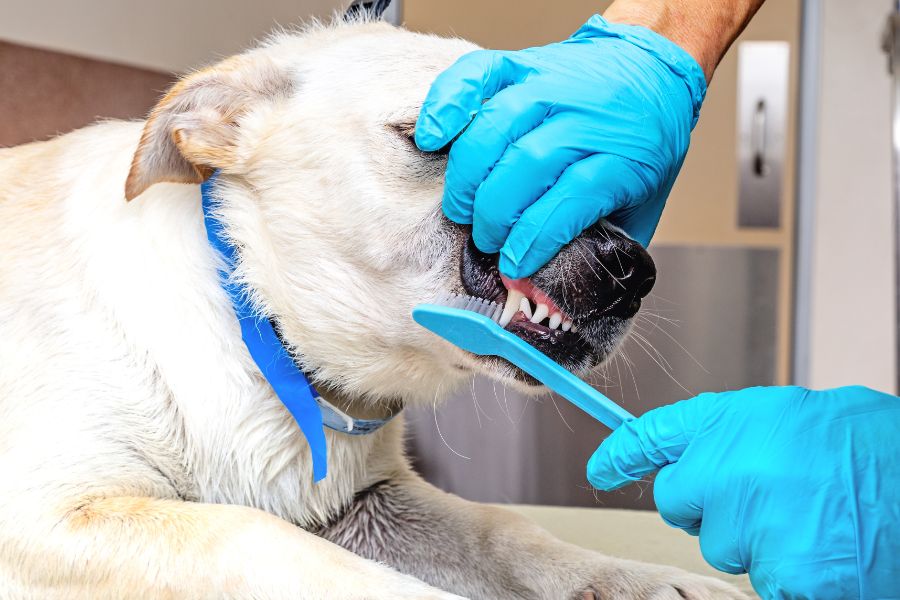
Just like humans, pets need regular dental care. Brushing your dog or cat’s teeth at home helps prevent bacteria buildup. Use a pet-safe toothbrush and toothpaste (never human toothpaste) to keep the mouth healthy.
If brushing isn’t possible daily, consider dental wipes, water additives, or chew toys designed to reduce plaque. Still, nothing beats professional cleaning, especially if tartar has already set in. For pet owners in Florida, scheduling a checkup with pet dentistry specialists can ensure your furry friends get expert oral care tailored to their needs.
Diet Adjustments That Help
Nutrition plays a significant role in managing oral health:
- Offer high-quality food with fewer fillers and artificial ingredients.
- Incorporate dental chews recommended by veterinarians.
- Fresh, crunchy vegetables like carrots can sometimes help naturally scrub teeth surfaces for dogs.
- Avoid letting your pet eat spoiled food, trash, or inappropriate household items, as these contribute to bad odors.
Simple changes in diet can make a lasting impact on both your pet’s breath and overall vitality.
Professional Pet Dentistry: A Fresh Start
If your pet’s bad breath continues despite home care, professional help is the next step. A veterinary exam allows experts to detect gum disease, broken teeth, or infections hidden under the gums. Professional scaling removes tartar and polishes the teeth, making it harder for bacteria to cling.
In more advanced cases, tooth extractions may be necessary to eliminate sources of infection and pain. Regular visits to a clinic offering pet dentistry Port St. Lucie can safeguard your companion’s oral health and keep those cuddles pleasant.
Simple Home Remedies You Can Try
Adding practical steps into your pet’s daily routine can make a difference:
- Provide clean water at all times to wash away food particles.
- Mix pet-safe dental water additives into their drinking bowl.
- Introduce dental chews and toys that promote cleaning and reduce plaque buildup.
- Brush consistently, even if just a few times a week, to slow down tartar growth.
These approaches, when combined with professional care, create a strong defense against smelly breath.
When Bad Breath Means More Than Oral Issues
Sometimes, bad breath is a red flag for something more serious. For example:
- Kidney disease may cause a smell similar to ammonia.
- Liver disease can lead to foul breath paired with vomiting and yellowing gums.
- Diabetes often results in a sweet or fruity odor.
If you notice any of these signs alongside mouth odor, seek veterinary help immediately. Diagnosing the underlying condition early can save your pet from significant health complications.
FAQs About Pet Bad Breath
Q1. Why does my dog’s breath smell like fish?
Ans. A fishy odor is often linked to dental disease or gastrointestinal issues. It’s best to schedule a vet visit.
Q2. Can I use human toothpaste to brush my pet’s teeth?
Ans. No, human toothpaste is toxic to pets. Always use a pet-friendly toothpaste designed for dogs or cats.
Q3. How often should I get my pet’s teeth cleaned professionally?
Ans. Most pets benefit from annual cleanings, but some may need them more frequently depending on breed and oral health.
Q4. Do dental chews really work?
Ans. Yes, dental chews reduce plaque buildup and freshen breath, but they shouldn’t replace regular brushing or professional cleaning.
Q5. Is bad breath in cats a serious problem?
Ans. Yes, cats often hide pain well, so bad breath may be an early sign of dental disease or other health issues.
Q6. How can I tell if my pet’s bad breath is from a medical condition and not just poor dental hygiene?
Ans. Look for additional symptoms such as lethargy, weight loss, vomiting, or changes in appetite. These warrant immediate veterinary evaluation.
Final Thoughts
Bad breath in pets is a common issue, but it should never be ignored. While minor cases may improve with brushing and better diet, persistent odor often points to dental disease or health problems requiring veterinary attention. Pairing daily care with professional services like pet dental care will help ensure your furry companion maintains both a healthy mouth and a happy life.